Leaking When You Laugh? Dry Needling May Help With Stress Incontinence
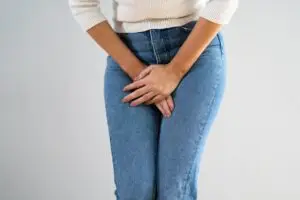
If you’ve ever leaked a little urine when you laugh, sneeze, or jump, you’re not alone. This is called stress urinary incontinence, and it affects millions of women—especially after childbirth, surgery, or with age. For many, it’s frustrating, embarrassing, and hard to talk about. But here’s the good news: there are new ways to treat it that don’t involve surgery or medication.
One approach that’s getting attention from researchers and pelvic health professionals is dry needling.
What Is Stress Incontinence?
Stress incontinence happens when pressure is placed on the bladder—like during laughing, sneezing, or lifting something—and the muscles meant to keep urine in can’t hold it. These muscles are part of the pelvic floor, a group of deep muscles that support your bladder, uterus, and bowels.
When the pelvic floor is weak, tight, or uncoordinated, it can’t do its job well. This is often due to:
Dry needling is a technique where very thin, sterile needles are inserted into tight, overworked, or painful muscles. The goal is to release tension, improve blood flow, and help the muscles reset. It’s not the same as acupuncture. Dry needling targets muscles and connective tissue directly—especially where there are painful knots called trigger points.
When applied to the pelvic floor, dry needling can:
Loosen tight muscles that may be putting pressure on the bladder
Help weak muscles activate properly
Improve nerve and muscle coordination for better bladder control
Reduce pain and calm the nervous system¹³
How Does It Help With Bladder Leaks?
In a randomized controlled trial—a type of high-quality research study—women with chronic pelvic pain, which often overlaps with pelvic floor dysfunction and incontinence, were treated with dry needling. They had significant reductions in pain and nervous system sensitivity compared to those who didn’t receive needling.² That’s important, because when the nervous system is overactive, it can make even small problems feel worse.
Another study used ultrasound to guide dry needling into very specific pelvic floor muscles. It found that women had better bladder control, less pelvic pain, and improved posture after treatment.³ This tells us that dry needling doesn’t just help muscles—it helps your whole body coordinate better, especially when used alongside pelvic exercises or breath training.
What Does the Research Say?
Here’s what recent studies show about dry needling and pelvic floor dysfunction:
A 2020 review of physical therapy methods found dry needling improved pelvic muscle function and helped reduce stress incontinence symptoms.¹
A controlled trial in 2024 found it lowered pain and nervous system sensitivity, both common in people with pelvic floor issues.²
An ultrasound-guided approach showed better bladder control and less pain, supporting its use for stress incontinence.³
What Treatment Is Like
In my clinic, dry needling for stress incontinence is:
External only (no internal internal exam or treatment)
Done with ultra-thin, sterile needles
Combined with gentle movement, breathwork, and posture correction
Tailored to your unique symptoms and comfort level
Most people feel relief within a few sessions, with reduced leaking, improved confidence, and a better sense of control over their body.
You Don’t Have to “Just Live With It”
Stress incontinence is common—but it’s not something you have to accept. Whether you’re newly experiencing bladder leaks or have been dealing with them for years, dry needling offers a safe, natural, and research-backed way to support your body’s healing from the inside out.
Schedule your consultation today and take the first step toward feeling stronger, drier, and more confident—no surgery or meds required.
Kowalski IM, Ptak M, Szczęsny P, et al. Urinary incontinence in women: modern methods of physiotherapy. J Clin Med. 2020;9(4):1211. PMC
Rahbarian M, Rezasoltani Z, Dadarkhah A, et al. Effect of dry needling on pain and central sensitization in women with chronic pelvic pain: A randomized controlled clinical trial. Pain Pract. 2024;24(5):e45–e53. PubMed
Mousavi SR, et al. Effect of Ultrasound-Guided Dry Needling on Pelvic Pain, Bladder Function, and Posture. Int Continence Soc Annual Meeting Abstracts. 2023; Abstract 95. ICS Abstract
When you’re dealing with persistent muscle pain, tightness, or stubborn knots, finding the right treatment is key to relief. Two popular and effective options are dry needling and massage therapy.…
Benign Prostatic Hyperplasia (BPH)—or enlarged prostate—is a common condition that affects nearly half of all men over age 50, and up to 90% by age 80.¹ While BPH is not cancerous, it…
That persistent ache between your shoulder blades, the sharp shoulder pain under your scapula, or the burning muscle tension in your upper back – these are all-too-familiar complaints for many…
118 W. 72nd, Rear Lobby, Upper West Side, NY 10023 Evidence-based acupuncture and dry needling on the Upper West Side, NYC. From chronic pain, headaches, and pelvic floor dysfunction, Dr. Jordan Barber integrates the highest level of training with compassionate care to help you thrive. Disclaimer: This site does not provide medical advice. Always consult a qualified healthcare professional before making changes to your health. Read our full disclaimer
Quick Links
Got Questions?
Limited spots available each week book now to reserve yours