A Complete Guide to Percutaneous Tibial Nerve Stimulation (PTNS) for Overactive Bladder
If you’re living with an overactive bladder, constant urinary frequency, sudden urgency, or urge incontinence, you already know how disruptive these symptoms can be. At our clinic, we offer Percutaneous Tibial Nerve Stimulation (PTNS) as a safe, non-surgical treatment option that targets the root of the problem without the side effects of medications or the risks of invasive procedures.
What Is PTNS?
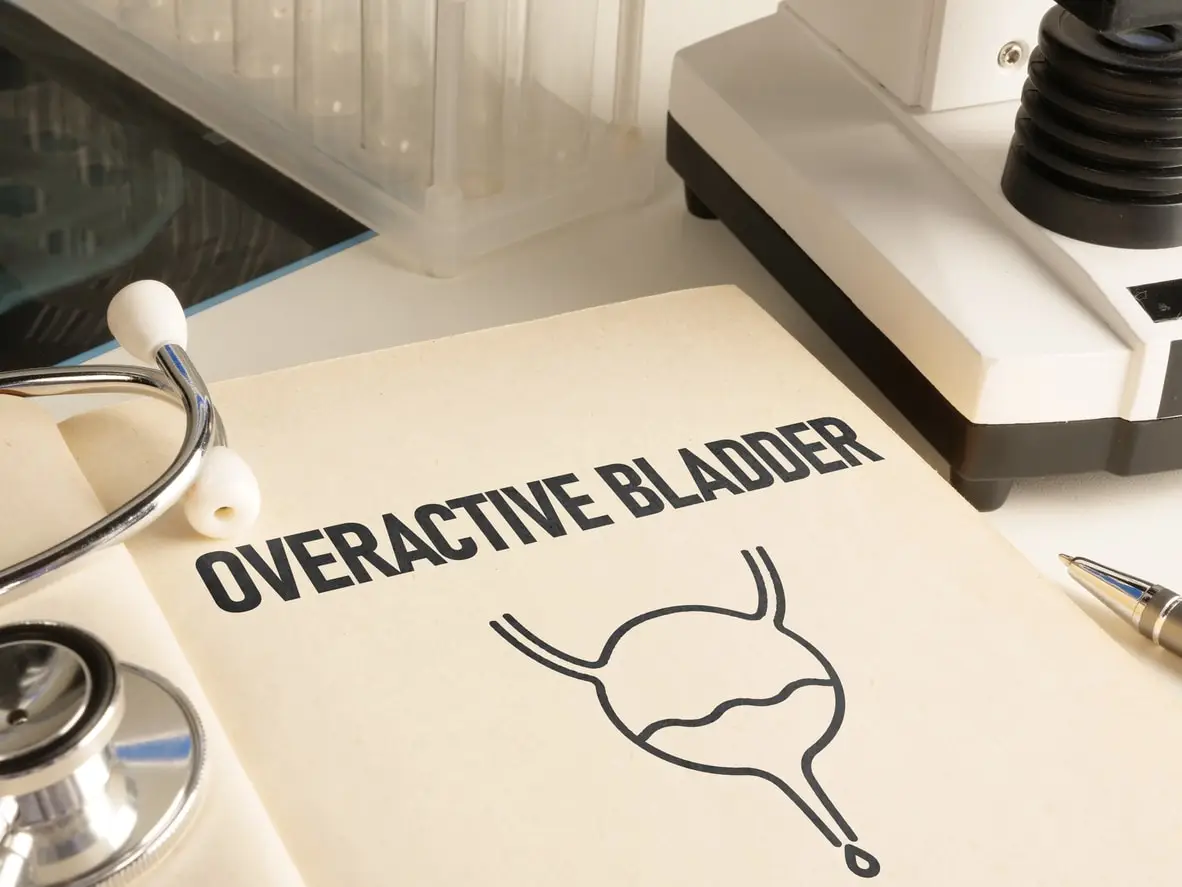
Percutaneous Tibial Nerve Stimulation (PTNS) is a neuromodulation therapy used to manage bladder dysfunction, particularly symptoms related to overactive bladder and urge incontinence. It involves placing a very fine needle electrode near the tibial nerve at the ankle. This nerve connects to the sacral plexus, the nerve center that controls bladder and pelvic floor function.
By sending mild electrical impulses through the tibial nerve, PTNS gently alters the signaling between your bladder and brain, helping to normalize urinary patterns over time.
How Does PTNS Work?
The bladder is controlled by a complex system of nerves. When that system becomes overactive, it sends signals to empty the bladder too frequently—even when it’s not full. PTNS works by calming this hyperactive loop. The process:
Stimulates the tibial nerve, located near the ankle.
Sends signals to the sacral nerve plexus, which controls bladder function.
It helps regulate brain- bladder communication and reduces urgency, frequency, and incontinence.
Sessions last approximately 30 minutes, typically done weekly for 12 weeks. Many patients begin to notice symptom improvement within the first few weeks.
What Does PTNS Feel Like?
Most people describe PTNS as a tingling or pulsing sensation in the ankle or foot. It is relatively painless, and no anesthesia or downtime is required. After each session, you can return to your normal activities immediately.
Is PTNS Safe and Effective?
Yes. PTNS is FDA-approved for treating overactive bladder and is backed by high-quality research. Studies show it to be a safe, well-tolerated, and effective therapy, even compared to medication:
A 12-week randomized controlled trial showed that PTNS was as effective as tolterodine, a common overactive bladder medication, without the associated side effects such as dry mouth or constipation.¹ Peters KM, Carrico DJ, Perez-Marrero RA, et al. J Urol. 2009;182(3):1055-1061. doi:10.1016/j.juro.2009.05.045. https://pubmed.ncbi.nlm.nih.gov/19616802
Long-term follow-up demonstrated sustained symptom relief for many patients even after treatment ended.² MacDiarmid SA, Peters KM, Chen A, et al. J Urol. 2010;183(1):234-240. doi:10.1016/j.juro.2009.08.160. https://pubmed.ncbi.nlm.nih.gov/19913821
A systematic review confirmed that PTNS significantly improves urgency, frequency, and incontinence symptoms in a wide range of patients with bladder dysfunction.³ Gaziev G, Topazio L, Iacovelli V, et al. BMC Urol. 2013;13:61. doi:10.1186/1471-2490-13-61. https://pubmed.ncbi.nlm.nih.gov/24160841
How I Integrate PTNS Into Your Care
As a specialist in pelvic floor dysfunction, I offer PTNS not as a standalone procedure, but as part of a comprehensive, personalized treatment plan. Here’s what sets our clinic apart:
Pelvic Floor Dry Needling: Many bladder dysfunctions involve pelvic floor hypertonicity (tight, non-relaxing muscles). I use dry needling techniques, based on advanced anatomical training, to release these areas and restore balance.
Acupuncture for Nervous System Regulation: Acupuncture can support autonomic nervous system modulation, helping further calm overactivity and support neuromodulation efforts.
Functional Assessment: I don’t just treat symptoms—I assess posture, breathing, myofascial restrictions, and neuromuscular patterns to ensure we address the full picture.
By combining PTNS with these pelvic floor therapies, we often see faster, more profound results with improved symptom durability.
Who Is a Candidate for PTNS?
You may be a good candidate if you:
Experience frequent urination (more than 8 times daily).
Feel strong, sudden urges to urinate, often with leakage (urge incontinence).
Have tried medications without success, or wish to avoid them.
Are looking for a non-surgical and low-risk option for managing bladder symptoms.
Patients with neurological conditions, post-surgical pelvic pain, or postpartum dysfunction may also benefit when PTNS is integrated into a larger pelvic rehabilitation strategy.
Ready to Take Control of Your Bladder Health?
If you’ve been searching for a safe, noninvasive solution for overactive bladder, urinary urgency, urinary frequency, or urge incontinence, PTNS may be the answer. Combined with targeted pelvic floor therapies like dry needling and acupuncture, it offers a powerful, patient-centered path to lasting relief.
Schedule your PTNS consultation today and let’s create a plan that helps you move forward—confidently and comfortably.
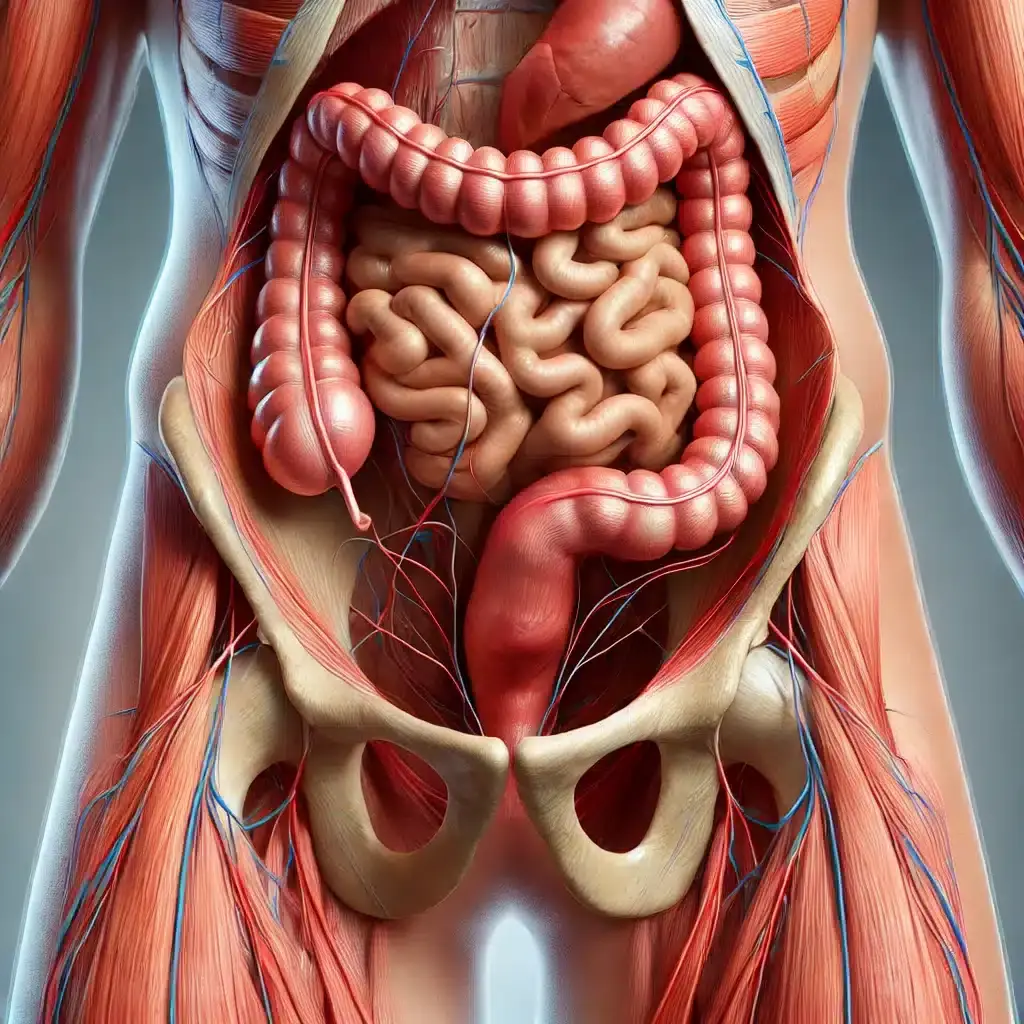
Introduction Gastrointestinal (GI) disorders such as constipation, bloating, and abdominal pain are often attributed to diet, stress, or gut microbiome imbalances. However, one crucial factor that is frequently overlooked is…
Runners knee is a common condition that affects both athletes and everyday New Yorkers. The medical term for this problem is patellofemoral pain syndrome, which describes pain at the front…
Understanding the complex interplay between our body’s systems can be a fascinating journey. Especially when it comes to seemingly unrelated conditions like constipation and hip pain. Does constipation cause hip…
118 W. 72nd, Rear Lobby, Upper West Side, NY 10023 Evidence-based acupuncture and dry needling on the Upper West Side, NYC. From chronic pain, headaches, and pelvic floor dysfunction, Dr. Jordan Barber integrates the highest level of training with compassionate care to help you thrive. Disclaimer: This site does not provide medical advice. Always consult a qualified healthcare professional before making changes to your health. Read our full disclaimer
Quick Links
Got Questions?
Limited spots available each week book now to reserve yours