Understanding Postpartum Recovery and Pelvic Floor Health
Childbirth is a transformative experience, but it places significant strain on the pelvic floor muscles, nerves, and ligaments. Many women experience postpartum recovery issues such as pelvic organ prolapse, incontinence, and pelvic pain. However, with proper rehabilitation, these conditions can be managed effectively, allowing for a stronger and healthier recovery.
Despite growing awareness, many new mothers are unaware of how crucial postpartum recovery and pelvic health are. The changes to the body during pregnancy and childbirth, whether through vaginal delivery or C-section, can cause long-term issues if not addressed early. Strengthening and rehabilitating the pelvic floor is essential for reducing discomfort, restoring function, and improving overall well-being.
Common Postpartum Issues
After childbirth, many women experience a range of symptoms due to weakened or overstretched pelvic floor structures. Common postpartum concerns include:
- Pelvic Organ Prolapse: A feeling of heaviness or pressure in the pelvis due to weakened support for the bladder, uterus, or rectum.
- Urinary and Fecal Incontinence: Loss of bladder or bowel control, often caused by muscle weakness or nerve damage.
- Diastasis Recti: Separation of the abdominal muscles, leading to core instability and lower back pain.
- Sacroiliac Joint Dysfunction: Pelvic instability or misalignment causing lower back and hip pain.
- Episiotomy or C-Section Scar Pain: Scarring from childbirth procedures can lead to tightness and discomfort in the pelvic region.
- Pain During Intercourse: Pelvic floor tightness or scar tissue can contribute to discomfort during intimacy.
If you experience any of these symptoms, seeking professional support can accelerate healing and prevent long-term complications. Book a consultation today to start your postpartum recovery journey.
Key Anatomical Components of the Postpartum Pelvic Floor
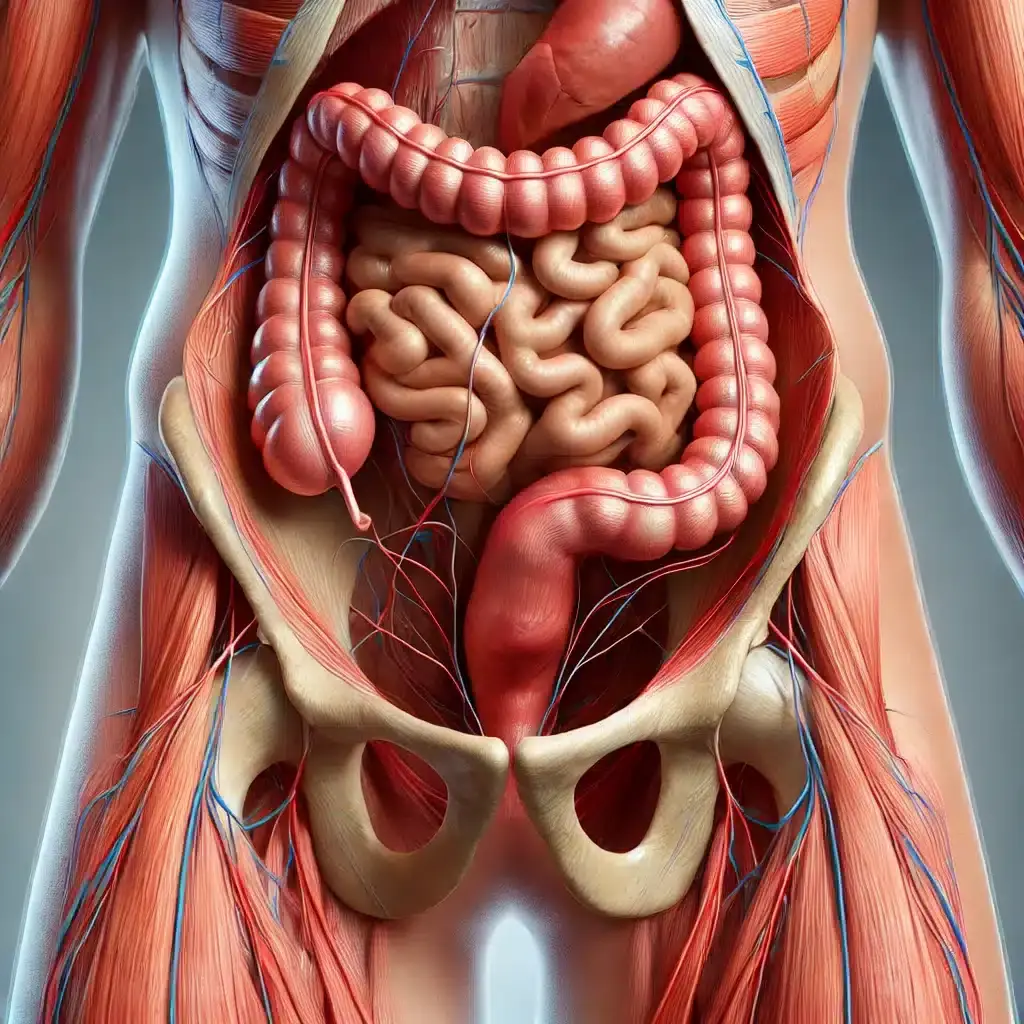
During pregnancy and delivery, several key structures in the pelvic region undergo significant changes:
Essential Muscles:
- Rectus Abdominis: The main abdominal muscle, often affected by diastasis recti.
- Transverse Abdominis: The deep core muscle that provides stability to the spine and pelvis.
- Pelvic Floor Diaphragm: A group of muscles supporting pelvic organs and controlling bladder and bowel function.
Important Nerves:
- Ilioinguinal Nerve: Provides sensation to the lower abdomen and groin, sometimes affected by C-section or episiotomy scars.
- Inferior Hypogastric Plexus: Controls bladder, bowel, and sexual function, and may be impacted during childbirth.
Supporting Ligaments:
- Uterosacral Ligament: Helps support the uterus and can weaken postpartum, leading to prolapse.
- Pubocervical Fascia: Provides support to the bladder and urethra, often affected by vaginal delivery.
Treatment Approaches for Postpartum Pelvic Floor Rehabilitation
Recovering from childbirth requires a comprehensive approach to restoring strength, stability, and function. Effective treatments include:
- Acupuncture and Dry Needling: These techniques help relieve pain, improve circulation, and promote neuromuscular balance in the pelvic region. Acupuncture, in particular, aids in reducing inflammation and encouraging tissue healing.
- Pelvic Floor Therapy: Includes exercises and manual therapy to strengthen weak muscles and release tight tissues. A specialist can assess whether you need strengthening or relaxation techniques.
- Core Stabilization Exercises: Targeting the transverse abdominis and rectus abdominis to improve posture and reduce strain on the pelvic floor. Movements such as deep belly breathing and controlled abdominal contractions can help re-engage the core.
- Postural Alignment Work: Correcting poor posture, which often results from carrying a baby or breastfeeding, to alleviate strain on the lower back and pelvis.
Benefits of Postpartum Pelvic Floor Therapy
Pelvic floor rehabilitation can greatly enhance postpartum recovery. Key benefits include:
- Improved bladder and bowel control to reduce incontinence issues.
- Pain relief from sacroiliac joint dysfunction and episiotomy scars.
- Stronger core stability to support daily activities and prevent back pain.
- Enhanced pelvic support to reduce the risk of organ prolapse.
- Restored sexual function, addressing pain and discomfort related to pelvic floor tightness or scar tissue.
- Increased mobility and comfort, allowing for a smoother transition back to exercise and daily routines.
How to Start Your Recovery
If you are experiencing pelvic floor symptoms after childbirth, it is important to get evaluated by a medical professional. A consultation with a pelvic floor physical therapist or your healthcare provider can help determine the best course of treatment for your unique needs. They can assess issues like muscle imbalances, nerve involvement, and structural support to create a tailored recovery plan.
How Dry Needling Can Aid in Recovery
One highly effective approach in postpartum pelvic health recovery is dry needling. This technique involves inserting thin needles into specific muscle trigger points to release tightness, improve circulation, and reduce pain. Dry needling can:
- Relieve pelvic floor muscle spasms and tension.
- Enhance nerve function to reduce discomfort and improve bladder control.
- Help break down scar tissue from episiotomies or C-sections.
- Improve blood flow, which speeds up healing and promotes muscle recovery.
For many postpartum women, dry needling provides noticeable relief from chronic pelvic pain and dysfunction, making it an essential tool in their rehabilitation plan.
When to Seek Help
If you’re experiencing persistent discomfort, incontinence, or feelings of pelvic pressure, seeking specialized care can significantly improve your recovery. Many women wait months or years before seeking treatment, believing their symptoms are a normal part of motherhood. However, addressing pelvic floor dysfunction early can prevent chronic issues.
A postpartum specialist can assess your symptoms, provide targeted treatment, and guide you through a recovery plan tailored to your needs.
Schedule a consultation today and take the first step toward healing your postpartum body.