Masseter Pain: Understanding Causes, Symptoms, and Effective Treatments
Masseter pain is a common yet often debilitating condition affecting the powerful jaw muscles responsible for chewing. This discomfort can radiate, causing TMJ pain, headaches, and even ear pain. Understanding the intricacies of the masseter muscle, its potential problems, and the avenues for pain relief is crucial for anyone suffering. This guide explores the causes of masseter pain, its symptoms, and effective TMJ treatment options, with a special focus on TMJ massage and the benefits of dry needling for targeted pain management.
Masseter Muscle Anatomy
The masseter is one of the main muscles of mastication (chewing) in the human body, located at the angle of the jaw and connecting the lower jaw (mandible) to the cheekbone. The deep masseter and superficial parts of this muscle work together to elevate the mandible, a crucial role in closing your mouth and grinding food. Its proximity to the temporal bone and its innervation by the mandibular nerve (a branch of the trigeminal nerve) make it a key player in facial comfort and function. When this muscle develops issues, it can lead to significant jaw muscle pain.
Common Causes of Masseter Pain and TMJ Dysfunction
Several factors can contribute to pain and dysfunction in the masseter muscle, often leading to temporomandibular joint dysfunction (TMD):
Bruxism (Teeth Grinding and Clenching): A very common cause, bruxism overworks the masseter, leading to muscle spasm, fatigue, and acute pain. This can occur during sleep or wakefulness, often unconsciously.1
Temporomandibular Joint (TMJ) Disorders: Pre-existing issues within the TMJ itself can strain the masseter. Inflammation or displacement within the joint can cause the facial muscles, including the masseter, to tense up protectively.2
Stress and Anxiety: Emotional or psychological stress frequently leads to increased tension in the jaw muscles, including the masseter and temporalis muscle, sometimes contributing to tension-type headache.3
Malocclusion (Poor Bite): Misalignment of the lower teeth with the upper teeth can force the jaw muscles into unnatural positions, causing chronic strain.
Overuse: Excessive chewing (e.g., gum) or parafunctional habits like nail-biting can fatigue the masseter.
Trauma: Direct injury to the jaw or face can result in acute pain and dysfunction in the masseter.
Postural Issues: Poor posture can sometimes contribute to tension in the neck and shoulder muscles, which may indirectly affect jaw muscle tension, potentially leading to issues like shoulder pain that co-occur with jaw pain. While seemingly unrelated to issues like low back pain, overall musculoskeletal balance is important.
TMJ disorder vector illustration. Labeled jaw condition educational scheme. Diagram with joint clicking and pain anatomical structure and explanation. TMJD syndrome with mandibular movement closeup.
Masseter muscle pain can manifest in various ways, impacting more than just the jaw:
Localized Pain: Tenderness, aching, or severe pain in the cheek, jaw, or around the angle of the jaw.
Referred Pain: Pain can be referred to the teeth (mimicking dental issues), ears (causing ear pain or fullness), temples, or even contribute to tension-type headache. The medial pterygoid muscles, another set of jaw muscles, can also refer pain.
Limited Jaw Opening: Difficulty opening the mouth wide, sometimes referred to as lockjaw in severe cases. Reduced jaw opening is a hallmark symptom for many pain patients with TMD.
TMJ Sounds: Clicking, popping, or grating noises from the temporomandibular joint during movement.
Muscle Spasm and Stiffness: A feeling of tightness or spasm in the jaw muscles.
Headaches: Particularly in the temples or as diffuse tension-type headache.
Pressure Pain Threshold: Affected individuals often have a lower pressure pain threshold in the masseter and other masticatory muscles.4 It’s important to differentiate masseter-derived pain from conditions like Trigeminal Neuralgia, which also causes facial pain but typically has different characteristics (e.g., sharp, electric shock-like pain along the trigeminal nerve pathways). An accurate diagnosis is key for appropriate treatment.
Understanding Masseter Trigger Points
Myofascial trigger points are hyperirritable knots within the soft tissue of a muscle, and the masseter frequently develops them. These trigger points are a primary source of pain and can refer sensations to distant areas.5 Effective pain management for masseter issues often involves deactivating these trigger points. The way these muscle works can be significantly impaired by trigger points.
Intra-oral manual therapy release of the masseter muscle for TMJ and Trigger Point Pain
Effective Treatments for Masseter Pain Relief
A variety of TMJ treatment strategies can provide pain relief from masseter issues:
Self-Care:
Soft Diet: Avoiding hard or chewy foods.
Stress Reduction: Techniques like mindfulness or meditation.
Habit Awareness: Consciously reducing clenching or grinding.
Warm/Cold Therapy: Applying heat or cold to the affected area.
TMJ Massage and Manual Therapy:
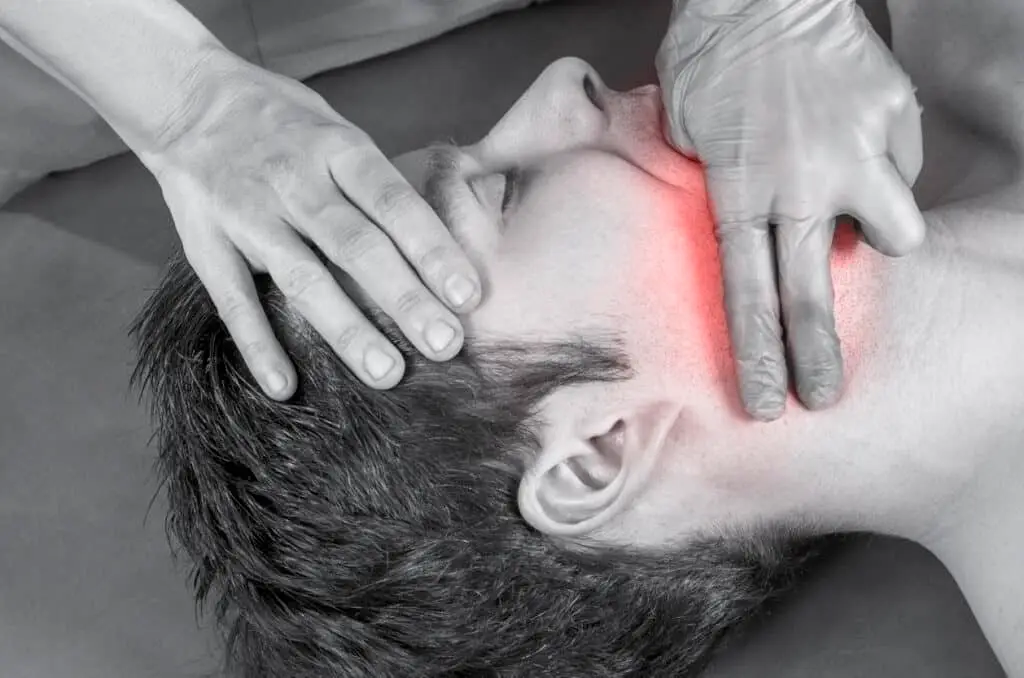
Targeted TMJ massage, including intra-oral techniques by a trained therapist, can release tension in the masseter muscle, temporalis muscle, and medial pterygoid muscles. This can improve circulation and reduce muscle spasm.6
Physical Therapy: Exercises to improve jaw opening, strength, and coordination, as well as postural correction.
Dental Interventions:
Occlusal Splints (Night Guards): To protect teeth and reduce strain from bruxism.7
Bite Correction: If malocclusion is a primary factor.
Acupuncture
Dry Needling
Dry Needling: A Targeted Approach for Masseter Muscle Pain
For persistent masseter pain and stubborn trigger points that affect the jaw muscles, dry needling offers a highly effective and precise pain relief option. This technique involves inserting thin, sterile filiform needles directly into the dysfunctional muscle tissue, specifically targeting myofascial trigger points.
How Does Dry Needling Help Masseter Pain?
Trigger Point Deactivation: Elicits a local twitch response, helping to release the taut bands of muscle.8
Pain Reduction: Stimulates the release of endogenous opioids and interrupts pain signals, directly impacting the pressure pain threshold.9
Improved Blood Flow: Enhances circulation to the affected soft tissue, promoting healing.
Dry needling is based on Western anatomical and neurophysiological principles. It is a valuable tool for pain patients seeking relief from musculoskeletal conditions, including temporomandibular joint dysfunction and associated jaw muscle pain.
Experience Masseter Pain Relief at Dr. Barber’s Clinic
If you’re struggling with masseter pain, TMJ pain, or related jaw muscle issues, dry needling could be the appropriate treatment to provide significant pain relief and help you achieve the best experience in your daily life. At Dr. Barber’s Clinic on the Upper West Side of NYC, we specialize in advanced dry needling therapies for facial, head, and neck pain. Our practitioners are skilled in targeting the deep masseter and other affected facial muscles to restore comfort and function.
Persistent masseter pain or TMJ pain warrants a consultation with a healthcare professional experienced in diagnosing and treating musculoskeletal and TMD conditions. An accurate diagnosis will differentiate your pain from other sources and ensure you receive the most appropriate treatment for effective pain management.
References:
Manfredini D, Winocur E, Guarda-Nardini L, Paesani D, Lobbezoo F. Epidemiology of bruxism in adults: a systematic review of the literature. J Orofac Pain. 2013;27(2):99-110. PubMed
Scrivani SJ, Keith DA, Kaban LB. Temporomandibular disorders. N Engl J Med. 2008;359(25):2693-2705. PubMed
Fillingim RB, Ohrbach R, Greenspan JD, et al. Psychological factors associated with development of TMD: the OPPERA prospective cohort study. J Pain. 2013;14(12 Suppl):T75-T90. PubMed
Svensson P, Graven-Nielsen T. Experimental human pain models: a review of standardized assessment of deep somatic and visceral pain. Clin J Pain. 2001;17(3):209-239. PubMed (This reference is more general on pain models but relevant to pressure pain threshold concepts).
Simons DG, Travell JG, Simons LS. Travell & Simons’ Myofascial Pain and Dysfunction: The Trigger Point Manual. 2nd ed. Williams & Wilkins; 1999. (Link to a relevant article discussing the concepts as the book itself is not directly linkable in this format: Lavelle ED, Lavelle W, Smith HS. Myofascial trigger points. Anesthesiol Clin. 2007;25(4):841-vii. PubMed)
Calixtre LB, Moreira RF, Franchini GH, Alburquerque-Sendín F, Oliveira AB. Manual therapy for the management of pain and limited range of motion in subjects with signs and symptoms of temporomandibular disorder: a systematic review of randomised controlled trials. J Oral Rehabil. 2015;42(11):847-861. PubMed
Kuzmanovic Pficer J, Dodic S, Lazic V, Trajkovic G, Milic N, Fowler C. Occlusal stabilization splint for patients with temporomandibular disorders: Meta-analysis of short and long term effects. PLoS One. 2017;12(2):e0171296. PubMed
Dommerholt J, Mayoral del Moral O, Gröbli C. Trigger point dry needling. J Man Manip Ther. 2006;14(4):E70-E87. PubMed
Gattie E, Cleland JA, Snodgrass S. The Effectiveness of Trigger Point Dry Needling for Musculoskeletal Conditions by Physical Therapists: A Systematic Review and Meta-analysis. J Orthop Sports Phys Ther. 2017;47(3):133-149. PubMed
Hip replacement surgery is one of the most common and successful orthopedic procedures performed today. While most patients recover well, a significant number experience persistent pain, stiffness, or limited mobility long after…
Neck pain, whether it’s the sharp twinge of acute neck pain from a stiff neck, the persistent ache of chronic neck pain after long hours at the computer, or the…
Shin splints, also known as medial tibial stress syndrome, are a common overuse injury that causes pain along the front of the lower leg. Often associated with high-impact activities like…
118 W. 72nd, Rear Lobby, Upper West Side, NY 10023 Evidence-based acupuncture and dry needling on the Upper West Side, NYC. From chronic pain, headaches, and pelvic floor dysfunction, Dr. Jordan Barber integrates the highest level of training with compassionate care to help you thrive. Disclaimer: This site does not provide medical advice. Always consult a qualified healthcare professional before making changes to your health. Read our full disclaimer
Quick Links
Got Questions?
Limited spots available each week book now to reserve yours