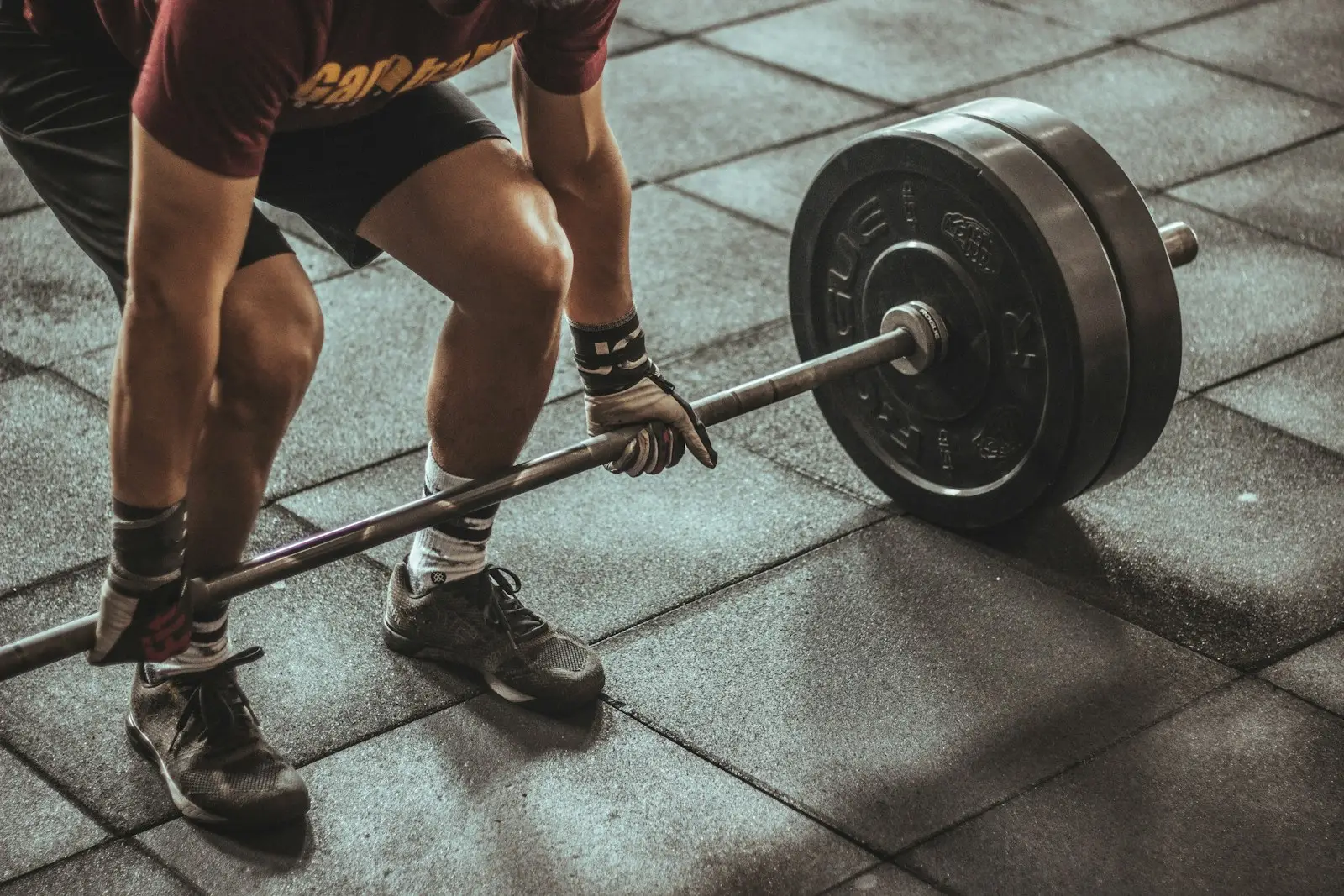
Do your knees hurt every time you attempt a deep squat or engage in physical activity? If you feel pain at the front of your knee during movements like squats, you’re not alone. This is an incredibly common issue that can disrupt your strength training goals and interfere with everyday life.
The discomfort you experience pain from can stem from various reasons, ranging from poor form to an underlying knee injury. Understanding the potential causes is the first step toward effective Pain Management and recovery. This article explores the most common causes of knee pain and details modern treatment options, including acupuncture and dry needling, that can help you build strength and return to your everyday activities pain-free.
Why Do My Knees Hurt? Unpacking the Underlying Cause
To get a proper diagnosis, you must first understand the possible causes of your pain. A healthcare professional can perform a physical examination, but the underlying condition often falls into one of two categories: biomechanical issues or a specific structural injury.
1. Biomechanics and Squat Form
Often, the problem isn’t the squat itself, but the way you squat. Your knee is the link between your hip and ankle, and dysfunction at either joint can cause pain. Key factors include:
- Poor Form: When your squatting form is off, excessive stress is placed on the knee joint. This includes allowing your knees to collapse inward, lifting too much weight before your tissues are ready, or shifting your body weightimproperly.
- Weak Gluteal Muscles: Your hip muscles are critical for stabilizing your thigh bone (femur). When the glutes are weak, the thigh muscles (quadriceps muscles and hamstrings) can pull the knee out of alignment, increasing the risk of injury.
- Limited Ankle Mobility: If your ankles are tight and lack range of motion, your body will compensate by pitching forward or allowing the knees to travel excessively, putting strain on the patellar tendon and other soft tissues.
2. Common Sports Injuries and Chronic Conditions
If your squat form is solid, your pain may be due to a specific underlying issue:
- Patellofemoral Syndrome (PFPS): Known as “runner’s knee,” this is the most common overuse knee injury, characterized by a dull, aching pain at the front of the knee. It’s caused by irritation of the cartilage under the kneecap.
- Patellar Tendonitis (Jumper’s Knee): This is an overuse injury affecting the patellar tendon, which connects your kneecap to your shinbone. It often presents as a localized sharp pain right below the kneecap, especially during explosive movements.
- IT Band Syndrome (ITBS): This occurs when the iliotibial band creates friction on the outside of the knee, causing lateral knee pain. It’s common in activities with repetitive knee bending.
- Meniscus Tear or Cartilage Tear: The meniscus acts as the knee’s primary shock absorber. Acute injuries from twisting or a deep squat under load can cause a torn ligament or a meniscus tear, leading to pain, swelling, and sometimes a locking sensation.
- Arthritis: For some, especially older adults, chronic conditions like osteoarthritis (wear-and-tear) or Rheumatoid arthritis (autoimmune) can cause knee pain by degrading cartilage and reducing protective synovial fluid.
- Osgood-Schlatter Disease: A common cause of knee pain in growing adolescents, this condition involves inflammation where the patellar tendon attaches to the shinbone.
Initial Pain Management: What You Can Do Now
Before starting advanced treatment, you can take initial steps to manage the pain. For acute injuries, the RICE methodis often recommended:
- Rest: Avoid activities that cause pain.
- Ice pack: Apply an ice pack for 15-20 minutes to reduce inflammation.
- Compression: Use a bandage to help control swelling.
- Elevation: Keep the knee raised above your heart.
Over-the-counter Non-Steroidal Anti-Inflammatory Drugs (NSAIDs) may help, but it’s crucial to consult a healthcare provider before taking any medication. Gentle hamstring stretches can also alleviate pressure on the knee.
Advanced Treatment Options: How Acupuncture & Dry Needling Help
When home care isn’t enough, a treatment plan that includes acupuncture and dry needling can be highly effective. These therapies target the underlying issues within the leg muscles and soft tissues.
Reducing Pain and Inflammation Research shows that needling therapies can stimulate the release of your body’s natural painkillers and may lower the levels of inflammatory chemicals that cause pain.
Improving Muscle Strength and Function Muscle imbalances are a primary cause of knee pain. Dry needling can release tight trigger points in the quadriceps muscles, hamstrings, and hip muscles, restoring proper neuromuscular function and providing a foundation to build strength effectively.
Accelerating the Recovery Process Acupuncture has been shown to increase local blood flow, which delivers oxygen and nutrients to damaged tissues, aiding in the healing of tendinopathies and other injuries.
Evidence for Knee Pain:
- A major clinical trial found that acupuncture significantly reduced pain and improved function in patients with chronic knee osteoarthritis.
- A 2022 study on patellofemoral syndrome reported that dry needling of the quadriceps muscle significantly decreased pain and improved function.
- For Patellar tendonitis, a 2021 systematic review found acupuncture to be an effective and safe treatment for improving pain and function.
Building Your Comprehensive Treatment Plan
A lasting solution requires more than just passive treatment. A healthcare professional can create a comprehensive treatment plan that includes:
- Proper Diagnosis: A thorough physical examination is needed to identify the exact underlying cause of your pain.
- Strengthening Exercises: Once pain and inflammation are under control, Specific exercises are crucial. Movements like Glute bridges, clamshells, and controlled body weight squats help correct imbalances in the hip muscles and core muscles.
- Manual and Needling Therapies: Hands-on treatment and dry needling can resolve the myofascial restrictions that strengthening exercises alone cannot.
In severe cases, particularly with a significant meniscus tear or advanced arthritis, more invasive options may be discussed, but the goal of a proactive treatment plan is to avoid the need for procedures like a Knee Replacement.
Conclusion: Take Control of Your Knee Pai
If your knees hurt, don’t let the pain dictate your daily life or halt your progress. By understanding the potential causes—from improper squat form to a specific knee injury—you can take the right steps toward healing. A comprehensive approach combining strengthening exercises with advanced therapies like acupuncture and dry needling can provide lasting relief and improve your overall muscle strength and stability.
Ready to address the root cause of your knee pain? We also specialize in treating related kinetic chain issues, including Neck Pain and Lower Back Pain. Schedule your consultation today by scheduling online and start your recovery process!
References
- Willy RW, Hoglund LT, Barton CJ, et al. Patellofemoral Pain: Clinical Practice Guidelines… J Orthop Sports Phys Ther. 2019;49(9):CPG1-CPG95. (DOI: https://doi.org/10.2519/jospt.2019.0302)
- Liu J, Yang M, Zhang S, Chen W, Fu W. Acupuncture for Patellar Tendinopathy: A Systematic Review and Meta-Analysis. Evid Based Complement Alternat Med. 2021;2021:7624197. (PubMed: https://www.ncbi.nlm.nih.gov/pmc/articles/PMC8360980/)
- Fredericson M, Wolf C. Iliotibial band syndrome in runners: innovations in treatment. Sports Med. 2005;35(5):451-459. (PubMed: https://pubmed.ncbi.nlm.nih.gov/15850361/)
- Bhan K. Meniscal Tears: Current Understanding, Diagnosis, and Management. Cureus. 2020;12(6):e8590. (PubMed: https://www.ncbi.nlm.nih.gov/pmc/articles/PMC7378202/)
- Abramoff B, Caldera FE. Osteoarthritis: Pathology, Diagnosis, and Treatment Options. Med Clin North Am. 2020;104(2):293-311. (DOI: https://doi.org/10.1016/j.mcna.2019.10.007)
- Vulfsons S, Ratmansky M, Kalichman L. Trigger Point Needling: Techniques and Evidence. Curr Pain Headache Rep. 2019;23(10):67. (DOI: https://doi.org/10.1007/s11916-019-0814-0)
- Gattie E, Cleland JA, Snodgrass S. The effectiveness of trigger point dry needling for musculoskeletal conditions by physical therapists: a systematic review and meta-analysis. J Orthop Sports Phys Ther. 2017;47(3):133-149. (PubMed: https://pubmed.ncbi.nlm.nih.gov/28158962/)
- Zhu J, Wang J, Guo W. The effects of acupuncture on blood flow: A systematic review. J Tradit Chin Med. 2017;37(1):1-9. (DOI: https://doi.org/10.1016/s0254-6272(17)30001-6)
- Hinman RS, McCrory P, Pirotta M, et al. Acupuncture for chronic knee pain: a randomized clinical trial. JAMA. 2014;312(13):1313-1322. (DOI: https://doi.org/10.1001/jama.2014.12686)
- Zarei H, Bervis S, Dashtbani H, et al. Effects of Dry Needling of the Vastus Medialis Oblique on Pain and Function in Patients With Patellofemoral Pain Syndrome: A Randomized Controlled Clinical Trial. J Sport Rehabil. 2022;31(7):821-828. (DOI: https://doi.org/10.1123/jsr.2021-0268)