How Does Needling Therapy Relieve Shoulder Pain: A Comprehensive Guide
Shoulder pain is a prevalent musculoskeletal complaint affecting individuals across all age groups, from youngsters leading fast-paced modern lives to older adults dealing with age-related conditions. Factors such as lack of exercise, poor diet, improper lifestyle, and strenuous working procedures often contribute to its onset. Studies indicate that over 1% of adults above 45 years experience shoulder pain with varying prevalence. For those experiencing continuous shoulder pain, dry needling therapy, a key component of modern Western medicine and physical therapy, offers a highly recommended and effective treatment option for muscle pain relief, promoting increased range of motion and overall pain management.
What is Dry Needling?
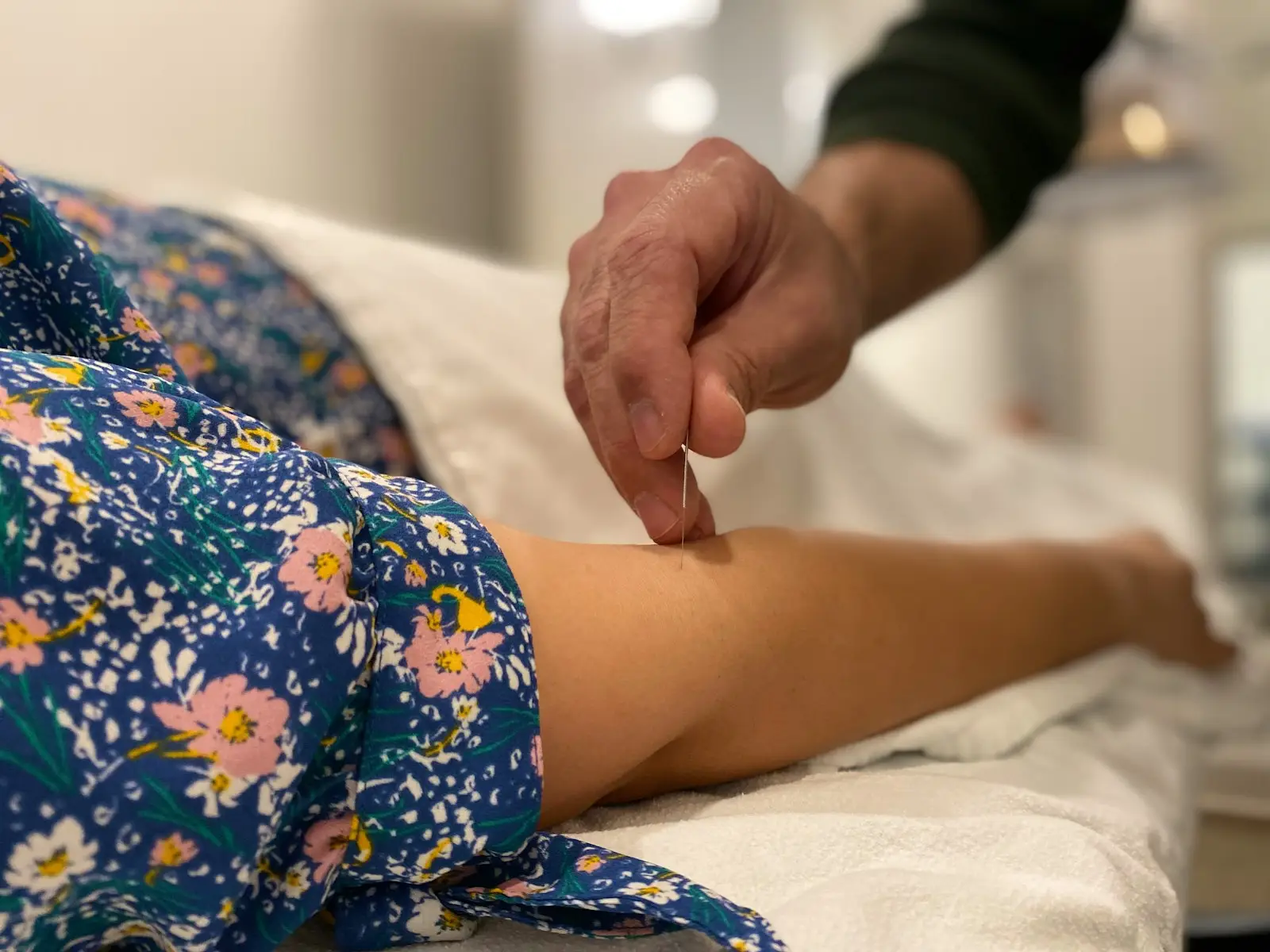
Dry needling is a therapeutic technique employed by licensed acupuncturists and other healthcare providers to address musculoskeletal conditions. As its name implies, it involves the use of sterile, thin, solid needles—without any injected fluid or medication—to directly target specific trigger points within skeletal muscle. These trigger points, often described as “muscle knots,” are hyperirritable spots within a taut band of muscle tissue that can cause localized pain and referred pain patterns [1]. Unlike traditional Chinese medicine (acupuncture), which focuses on energy pathways (meridians), dry needling targets these specific physiological dysfunctions within the muscle itself. The needles used in dry needling treatment are typically longer than those for acupuncture, allowing for deeper penetration to reach the affected muscle fibers.
How Can Dry Needling Help with Shoulder Pain?
Dry needling directly addresses muscle tension and imbalance that often contribute to shoulder pain. The treatment primarily targets key muscles in the shoulder complex, including the anterior deltoid, infraspinatus, and subscapularis muscles, as well as rotator cuff muscles. By precisely inserting the thin needles into these specific trigger points, dry needling helps to:
Relieve pain: The insertion of the dry needle often elicits a “local twitch response,” an involuntary contraction of the affected muscle. This response is believed to relax the muscle fibers, normalize the neuromuscular junction, and decrease spontaneous electrical activity within the muscle [2]. This mechanical disruption of dysfunctional muscle tissue can lead to immediate relief of pain perception.
Address muscle imbalance: Sore and tight muscles can create imbalances in the shoulder joint, leading to improper movement patterns and further discomfort. Dry needling helps to release these muscle knots, restoring proper muscle function and alignment.
Improve nutrient delivery and reduce inflammation: Sustained muscle contraction in trigger points can lead to local ischemia and hypoxia, creating an “energy crisis” in the muscle tissue. The needling process can induce microtrauma, triggering a localized inflammatory response that paradoxically helps to increase blood flow to the treated area [3]. This improved circulation delivers essential nutrients and oxygen while facilitating the removal of metabolic waste products, thus creating an anti-inflammatory response and promoting the healing process.
Neuromodulation and endorphin release: Dry needling can stimulate sensory receptors and nerve fibers, leading to a cascade of neurophysiological effects. This includes the release of endogenous opioids, such as endorphins, which are natural pain-relieving substances. It can also modulate the nervous system, influencing pain signals and perception centrally and peripherally [4].
Will Dry Needling Cure All Types of Shoulder Pain?
It’s crucial to understand that not all types of shoulder pain originate from compressed or imbalanced muscles. For example, conditions like bursitis (inflammation of the bursae), adhesive capsulitis (frozen shoulder), or slipped discs affect joints or bones and may require different medical treatments. However, if a patient is experiencing muscle imbalance, myofascial pain syndrome, or conditions like shoulder impingement syndrome, dry needling therapy can be an incredibly effective technique to alleviate pain and discomfort.
We recommend dry needling therapy when a patient presents with specific symptoms of myofascial pain syndrome, such as a knot causing a deep, aching pain, or when shoulder pain results in noticeable muscle imbalance, leading to a “shrug” in one shoulder. It has also shown promise in managing chronic pain associated with conditions like tennis elbow and certain sports injuries.
Is Dry Needling Safe?
Dry needling therapy, when performed by a qualified healthcare provider like an acupuncturist with proper training, is considered completely safe. Minor side effects are common and typically temporary. Approximately 1-3% of patients may experience drowsiness, tiredness, or dizziness after a dry needling session, so it’s advised not to drive immediately following treatment. Minor bleeding or bruising in the treated area occurs in 15-20% of patients, which is a normal response to the needle insertion. More severe adverse events are extremely rare, occurring in approximately 0.01% of patients [5].
How Will You Feel After Dry Needle Therapy for Shoulder Pain?
Following your dry needle therapy for shoulder pain treatment, the treated area may feel a little sore. This soreness doesn’t always happen, but it is a normal and expected side effect, often indicative of the muscle responding to the intervention. Soreness may begin a few hours after the dry needling session or even the next day, and its intensity will vary from person to person. Bruising is also possible, with the shoulders being more prone to it. Applying an ice compress to the area can help decrease bruising and alleviate soreness. If you have any questions or concerns after your treatment, your healthcare provider will be available to assist you.
What Are the Dos and Don’ts After Treatment?
To maximize the therapeutic effects and minimize potential side effects after your dry needling therapy for shoulder pain treatment, we highly recommend the following:
Do:
Drink plenty of water for the next 24 hours to help avoid and/or reduce soreness.
Continue your normal level of gentle physical activity, including light workouts or stretching, as long as it does not aggravate the treated area.
Use an ice compress on the treated area for soreness or bruising.
Continue taking any prescription medication as prescribed by your doctor.
Do Not:
Avoid strenuous exercise or vigorous activity involving the shoulder muscles that have been dry needled immediately after treatment.
Avoid engaging in any new physical activities or sports that could place undue stress on the treated area.
Avoid overdoing any activities; listen to your body and rest as needed.
Get in Touch With Us Today
We hope this guide to dry needling for shoulder pain treatment has been informative. If you have further questions about our clinic or any of the treatments we provide, including dry needling, soft tissue therapy, and acupuncture, please get in touch with us today. We are more than happy to help you book an appointment and start your journey towards less pain and improved quality of life.
The Causes and Symptoms for Seeking the Best Shoulder Pain Treatment
The shoulder joint, a complex structure comprising the upper-arm bone, collarbone, and shoulder blades, is crucial for daily activities. Shoulder pain can arise from various causes, including injury, overuse, or referred pain from other body parts. Arthritis is also a common cause, particularly in older individuals. The following symptoms often signal a need to seek the best shoulder pain treatment from experienced acupuncturist, Dr. Jordan Barber, on the Upper West Side in NYC:
Inability to move the arm normally.
Shoulder stiffness or persistent pain.
A sensation of the shoulder “popping out” of its socket.
Shoulder weakness that hinders regular activities.
While some home remedies may provide temporary relief for these symptoms, if the pain persists for more than a few days, it is essential to visit a healthcare provider for professional assessment and a tailored approach. Dr. Barber can provide the best dry needling shoulder treatment for fast and lasting relief.
Why The Dry Needling Therapist Provides the Best Shoulder Pain Treatment
Shoulder pain can significantly impact both personal and professional life, making even routine daily activities challenging. Dr. Barber’s dry needling is trusted by many for the best shoulder pain treatment due to several key reasons:
Experienced Professionals: Our experts possess extensive experience in performing trigger point dry needling. They skillfully insert the solid needles to produce a local twitch response, which helps to relax the painful knotted muscle and reset neurological control at the nerve-muscle junction, thereby decreasing muscle-related shoulder pain.
Comprehensive Pain Management: For those suffering from chronic shoulder pain, including that caused by myofascial trigger points or even conditions like rotator cuff pain or adhesive capsulitis, our dry needle therapy effectively reduces pain and discomfort, encouraging better shoulder mobility.
Targeted Treatment: Our dry needles are precisely inserted directly into the sore target muscles, facilitating a decrease in muscle tension and promoting muscle function. This targeted approach aids in breaking down scar tissue and enhancing the immune systems’ healing response.
Holistic Approach: Our experts in dry needling shoulder treatment assess, treat, and advise patients not only to get rid of their current shoulder pain but also to prevent its recurrence. We focus on addressing underlying causes like muscle imbalance, increasing anti-inflammatory responses, and improving blood circulation for best results.
References
Simons DG, Travell JG, Simons LS. Myofascial Pain and Dysfunction: The Trigger Point Manual. Vol 1: Upper Half of Body. 2nd ed. Lippincott Williams & Wilkins; 1999. PubMed
Hong CZ. Pathophysiology of myofascial trigger point. Curr Pain Headache Rep. 2007;11(6):448-456. doi:10.1007/s11916-007-0070-4. PubMed
Shah JP, Phillips TM, Danoff J, Gerber LH. New insights into the pathogenesis of myofascial pain syndrome: an in vivo and in vitro study. Arch Phys Med Rehabil. 2008;89(7):1300-1306. doi:10.1016/j.apmr.2007.12.030. PubMed
Dommerholt J, Fernández-de-las-Peñas C. Dry Needling: A Comprehensive Guide to Myofascial Trigger Point Dry Needling. 3rd ed. Elsevier; 2018. PubMed
Boyles RE, O’Connor EE, Putman SM, et al. The effectiveness of trigger point dry needling for musculoskeletal conditions by physical therapists: a systematic review and meta-analysis. J Orthop Sports Phys Ther. 2015;45(9):679-693. doi:10.2519/jospt.2015.5642. PubMed
Erectile Dysfunction (ED) is a prevalent condition that can significantly impact quality of life. While commonly attributed to hormonal or psychological factors, emerging evidence highlights the role of pelvic floor dysfunction, impaired penile…
Running places significant demands on the lower body, and tight calf muscles are a common complaint among runners of all levels. While this tightness may seem like a minor discomfort,…
Acupuncture and dry needling are two popular medical treatments that involve the insertion of thin needles into the body. While they may appear similar at first glance, they are distinct…
118 W. 72nd, Rear Lobby, Upper West Side, NY 10023 Evidence-based acupuncture and dry needling on the Upper West Side, NYC. From chronic pain, headaches, and pelvic floor dysfunction, Dr. Jordan Barber integrates the highest level of training with compassionate care to help you thrive. Disclaimer: This site does not provide medical advice. Always consult a qualified healthcare professional before making changes to your health. Read our full disclaimer
Quick Links
Got Questions?
Limited spots available each week book now to reserve yours