Understanding the Connection Between Hip and Pelvic Pain
Many people experience chronic hip pain and pelvic floor issues without realizing that the two could be linked. The hips and pelvic floor work together to provide stability, support movement, and maintain proper alignment. When one becomes compromised, it can affect the other, leading to persistent discomfort and mobility issues. Understanding this connection between hip pain and pelvic floor dysfunction is crucial for effective treatment and recovery. For instance, individuals suffering from hip pain and pelvic floor dysfunction might not connect their discomfort to issues like urinary incontinence or pelvic pressure, which often arise from pelvic floor dysfunction. By recognizing the interplay between hip pain and pelvic floor conditions, patients can seek appropriate therapies that address both problems simultaneously.
How Hip Misalignment Affects Pelvic Stability
Hip tightness and instability can have a direct impact on the pelvic floor muscles. Poor hip mobility or muscular imbalances can contribute to a variety of complications that affect daily activities and overall quality of life. For example, someone with hip tightness may alter their gait or movement patterns, leading to further compensation in other areas of the body, such as the lower back. This ripple effect exacerbates pelvic floor issues, creating a cycle of discomfort. Common consequences include:
Addressing hip pain and pelvic floor dysfunction can significantly enhance quality of life and restore functionality. It’s essential to explore all treatment options available for effective management.
- SI Joint Dysfunction: When the sacroiliac (SI) joint is not properly aligned, it places extra strain on the pelvic floor muscles, leading to pain and weakness.
- Reduced Pelvic Floor Muscle Strength: Tight or weak hip muscles can prevent the pelvic floor from properly engaging, leading to incontinence or discomfort.
- Pelvic Floor Muscle Overactivity: Chronic hip tightness, particularly in muscles like the adductors and glutes, can cause excessive tension in the pelvic floor, contributing to pain and dysfunction.
Key Anatomical Components Involved
Understanding the anatomical components involved in hip pain and pelvic floor dysfunction is essential. Several key muscles and nerves contribute to the stability and function of both areas, and recognizing their interdependence can aid in treatment strategies. For example, the gluteus medius is critical for hip stabilization; weakness in this muscle can have a domino effect on pelvic stability and function, leading to pain and dysfunction related to hip pain and pelvic floor issues.
Important Muscles:
- Gluteus Medius: A key stabilizer of the hip, weakness here can lead to pelvic instability and compensatory muscle tightness.
- Adductor Longus: Plays a role in hip movement and, when overly tight, can contribute to pelvic floor dysfunction.
- Obturator Externus: Helps stabilize the hip joint and connects closely with the pelvic floor muscles.
Crucial Nerves:
- Sciatic Nerve: Runs through the lower back and hips, and irritation can contribute to both hip and pelvic pain.
- Superior Gluteal Nerve: Controls gluteal muscles and affects pelvic alignment and stability.
Techniques to Address Hip and Pelvic Pain
Incorporating strategies to reduce hip pain and pelvic floor discomfort can lead to better overall health and mobility.
A holistic approach is essential in treating hip-related pelvic floor dysfunction. This often includes physical therapy, exercises targeting both the hips and pelvic floor, and lifestyle modifications to reduce strain on these areas. Some of the most effective techniques include:
Additionally, patients may benefit from incorporating stretching routines and strength training focused on both hip and pelvic floor muscles. For instance, yoga and pilates are excellent practices that promote flexibility and strength in these areas. Engaging in regular physical activity can also help maintain optimal muscle function and prevent discomfort.
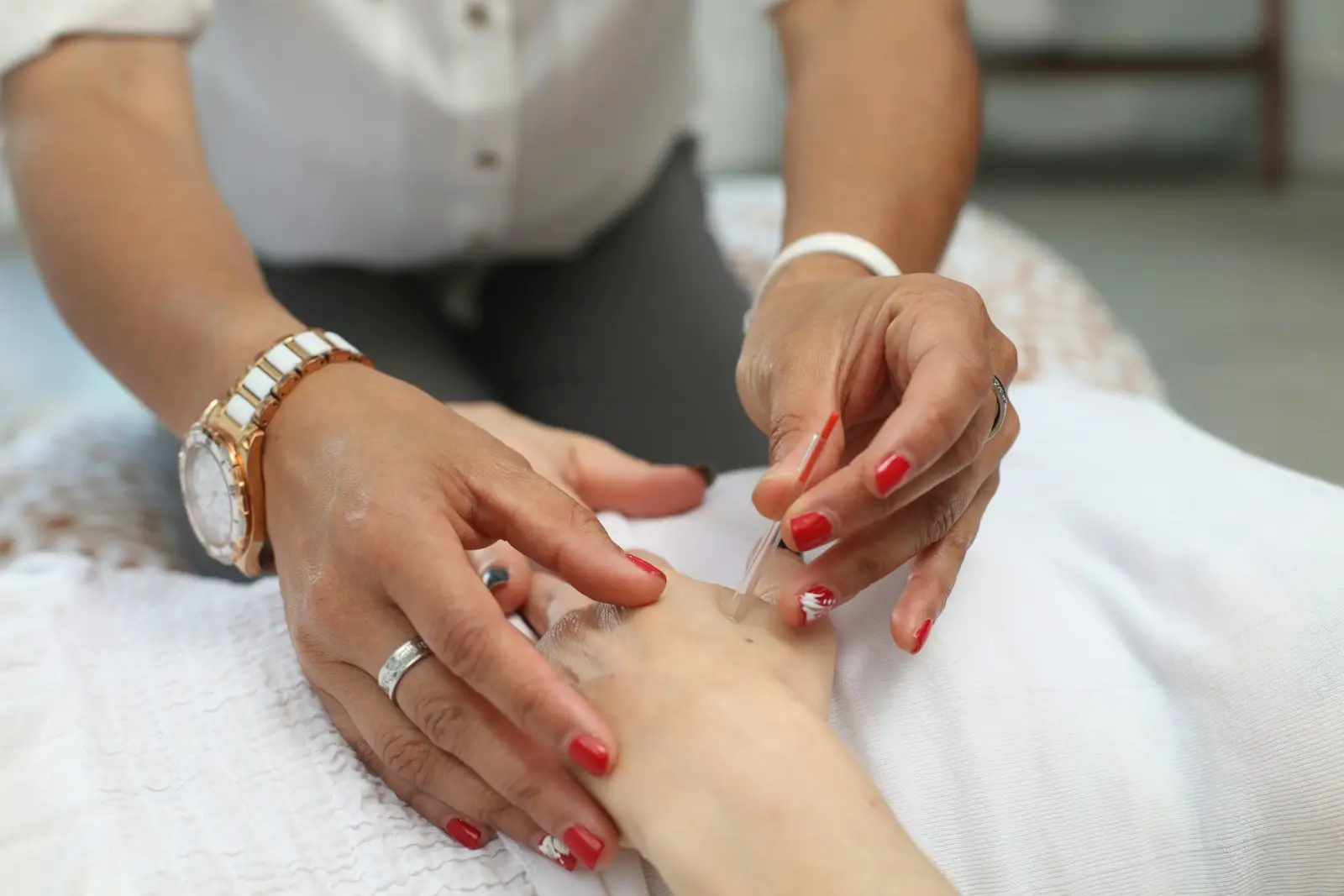
Needling of Gluteus Medius Trigger Points
Furthermore, patients may notice improvements in their overall physical performance and a decrease in mobility-related issues. Regular sessions can contribute to long-term recovery and pain management.
- Dry Needling: A technique that targets deep muscle knots in the gluteus medius, releasing tightness and improving mobility.
- Pain Relief: By reducing trigger points, dry needling helps alleviate chronic hip and pelvic pain.
SI Joint Mobilization Techniques
Moreover, working with a healthcare provider who specializes in pelvic health can provide insights into lifestyle changes and exercises that can alleviate symptoms of hip pain and pelvic floor dysfunction effectively. They can guide you in developing a personalized plan to address both hip and pelvic concerns, improving your quality of life significantly.
- Manual Therapy: Gentle mobilization of the sacroiliac joint can help restore proper movement and alleviate strain on the pelvic floor.
- Pelvic Alignment Work: Addressing postural imbalances ensures that both the hips and pelvic floor function optimally.
Seeking Professional Evaluation
If you are experiencing persistent hip and pelvic pain, it is important to get evaluated by a medical professional or pelvic floor physical therapist. A thorough assessment can help determine the underlying cause of dysfunction and create a targeted treatment plan. Evaluation may include physical examinations, movement assessments, and possibly imaging studies to better understand the relationship between hip and pelvic floor health.
It’s important to recognize that untreated hip pain and pelvic floor dysfunction can lead to further complications, so seeking help is crucial.
If you are experiencing persistent hip and pelvic pain, it is important to get evaluated by a medical professional or pelvic floor physical therapist. A thorough assessment can help determine the underlying cause of dysfunction and create a targeted treatment plan.
Conclusion
Hip pain and pelvic floor dysfunction are often interconnected, and addressing both is key to long-term relief. Whether through dry needling, SI joint mobilization, or professional pelvic floor therapy, a comprehensive approach can help restore strength, mobility, and comfort. If you’re struggling with hip and pelvic pain, schedule a consultation today to start your recovery journey. Remember, the sooner you address these issues, the more effectively you can reclaim your active lifestyle and improve your overall well-being.