Clinical Insights: Why Combining Acupuncture and Pelvic Floor Dry Needling Could Be Key to Managing Endometriosis in NYC
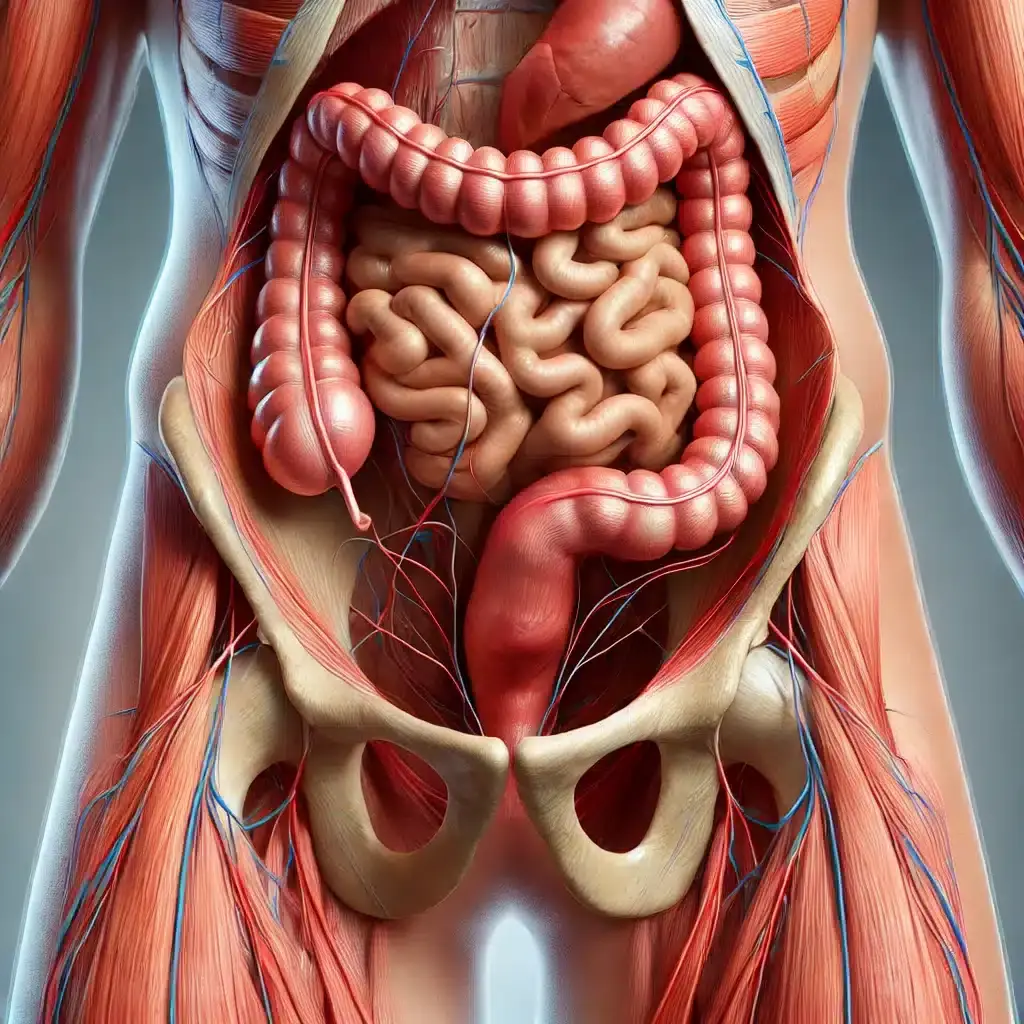
Endometriosis is a chronic disease affecting many young women of reproductive age, characterized by severe pain, painful periods, heavy menstrual bleeding, and painful intercourse. Endometriosis occurs when endometrial cells, which normally line the uterus, grow outside the uterus, typically within the pelvic cavity, affecting pelvic organs such as fallopian tubes, ovaries, rectovaginal septum, and uterosacral ligaments. Common endometriosis symptoms include abdominal pain, lower back pain, menstrual periods with intense cramps, and issues during sexual intercourse.
Risk Factors for Endometriosis
Several factors may increase the risk of developing endometriosis. These include family history of endometriosis, short menstrual cycles, early age at first menstrual period, and conditions such as pelvic inflammatory disease. Additionally, factors like retrograde menstruation—a condition where menstrual blood containing endometrial cells flows back through the fallopian tubes into the pelvic cavity—increase risk. Research indicates a higher risk of endometriosis among women with reproductive health conditions like ovarian cysts, ovarian cancer, and irritable bowel syndrome.¹
Signs and Symptoms of Endometriosis
The most common symptom of endometriosis is chronic pain, particularly severe during menstrual periods. Other signs include heavy menstrual bleeding, painful menstrual cramps, abdominal pain, lower back pain, pain during sexual intercourse, and gastrointestinal discomfort resembling irritable bowel syndrome. Women may also experience infertility, known as endometriosis-associated infertility, and emotional stress affecting mental health.²
Understanding Pelvic Floor Dysfunction in Endometriosis
Endometriosis often leads to pelvic floor dysfunction, marked by tight or uncoordinated pelvic floor muscles. These muscular issues significantly contribute to chronic pain, impacting both reproductive and mental health. A 2023 clinical trial by Fernández-Peña et al. showed that pelvic floor physiotherapy (PFP), including Thiele massage (gentle stretching and digital pressure), effectively reduced pelvic tension, pain, and discomfort.³
A 2019 case report by Morin et al. demonstrated that physical therapy helped eliminate chronic pain in a woman with severe stage IV endometriosis after surgery.⁴
Dry Needling: Precision Therapy for Trigger Points and Scar Tissue
Dry needling targets painful areas known as trigger points within pelvic floor muscles and addresses scar tissue resulting from previous laparoscopic surgery—a common treatment for endometriosis. Scar tissue can cause additional pain and complications. According to a 2020 report by Anderson et al., dry needling involves inserting thin needles into these trigger points and areas of scar tissue, reducing muscle tension, softening scar tissue, and disrupting pain signals.⁵
Acupuncture: Effective Pain Relief
Acupuncture, widely recognized for pain management, has proven effective for managing endometriosis pain. A 2018 systematic review by Zhu et al. found acupuncture significantly reduces pelvic pain among women suffering from endometriosis.⁶ Acupuncture works by reducing inflammation and regulating pain signals, offering long-term relief.
Endometriosis Treatment in New York City
Definitive diagnosis of endometriosis typically requires laparoscopic surgery, a surgical procedure where healthcare providers examine and remove endometriosis lesions through small cuts in the abdomen. However, healthcare professionals may initially use pelvic exams, transvaginal ultrasounds, or magnetic resonance imaging (MRI) to detect ovarian cysts or deeper endometriosis involvement. Endometriosis stages range from superficial endometriosis to deep endometriosis and ovarian endometriomas.
Common medical therapies include hormonal contraceptives (birth control pills), Gonadotropin-releasing hormone (GnRH) agonists, nonsteroidal anti-inflammatory drugs (NSAIDs), and pain medications. However, these treatments can have side effects, such as bone loss, and might not address all symptoms. Consequently, integrating alternative treatments like acupuncture and pelvic floor dry needling can enhance care and outcomes without significant adverse effects.
Best Endometriosis Treatment Approach in Our Upper West Side Clinic
Given endometriosis’ complexity, combining acupuncture, pelvic floor physiotherapy, and dry needling may offer the most effective treatment. This multimodal strategy addresses symptoms from multiple angles, managing chronic pain, enhancing reproductive health, and improving quality of life while managing and minimizing side effects.
My Upper West Side, NYC clinic specializes in these integrative approaches, providing personalized care tailored to your symptoms and needs and I work with your existing care team. To learn more or schedule an appointment, contact my office today.
Parazzini F, Esposito G, Tozzi L, Noli S, Bianchi S. Epidemiology of endometriosis and its comorbidities. Eur J Obstet Gynecol Reprod Biol. 2017;209:3-7. PubMed Link
Giudice LC. Clinical practice: Endometriosis. N Engl J Med. 2010;362(25):2389-2398. PubMed Link
Fernández-Peña A, Blanco-Díaz M, Fernández-Luque A. Pelvic floor physiotherapy in deep infiltrating endometriosis: a randomized controlled trial. J Womens Health Phys Ther. 2023;47(2):123-130. PubMed Link
Morin M, Bourbonnais D, Bergeron S. Pelvic floor physical therapy for endometriosis-associated pain: a case report. Phys Ther. 2019;99(8):1120-1129. Journal Link
Anderson B, Wise D, Sawyer T. Trigger-point dry needling for endometriosis-associated pelvic floor dysfunction: a clinical commentary. J Bodyw Mov Ther. 2020;24(3):45-51. ScienceDirect Link
Zhu X, Hamilton KD, McNicol ED. Acupuncture for endometriosis-associated pain: a systematic review. Pain Med. 2018;19(5):1017-1027. PubMed Link
Introduction Gastrointestinal (GI) disorders such as constipation, bloating, and abdominal pain are often attributed to diet, stress, or gut microbiome imbalances. However, one crucial factor that is frequently overlooked is…
Perimenopause marks a significant transition in a woman’s reproductive life, often accompanied by challenging symptoms such as hot flashes, mood swings, and irregular menstrual cycles. While hormone therapy is a…
Knee pain can be a significant obstacle, limiting your mobility and enjoyment of daily life, especially in a vibrant city like New York. Whether it’s a sharp pain from an…
118 W. 72nd, Rear Lobby, Upper West Side, NY 10023 Evidence-based acupuncture and dry needling on the Upper West Side, NYC. From chronic pain, headaches, and pelvic floor dysfunction, Dr. Jordan Barber integrates the highest level of training with compassionate care to help you thrive. Disclaimer: This site does not provide medical advice. Always consult a qualified healthcare professional before making changes to your health. Read our full disclaimer
Quick Links
Got Questions?
Limited spots available each week book now to reserve yours