Dry Needling vs. Massage Therapy: Which Is Right for Your Muscle Pain?
When you’re dealing with persistent muscle pain, tightness, or stubborn knots, finding the right treatment is key to relief. Two popular and effective options are dry needling and massage therapy. While both aim to address musculoskeletal issues, they use fundamentally different techniques and are suited for different goals.² Understanding the comparison of dry needling vs. massage can help you choose the best path to recovery.
What is Dry Needling? A Targeted Approach to Knots
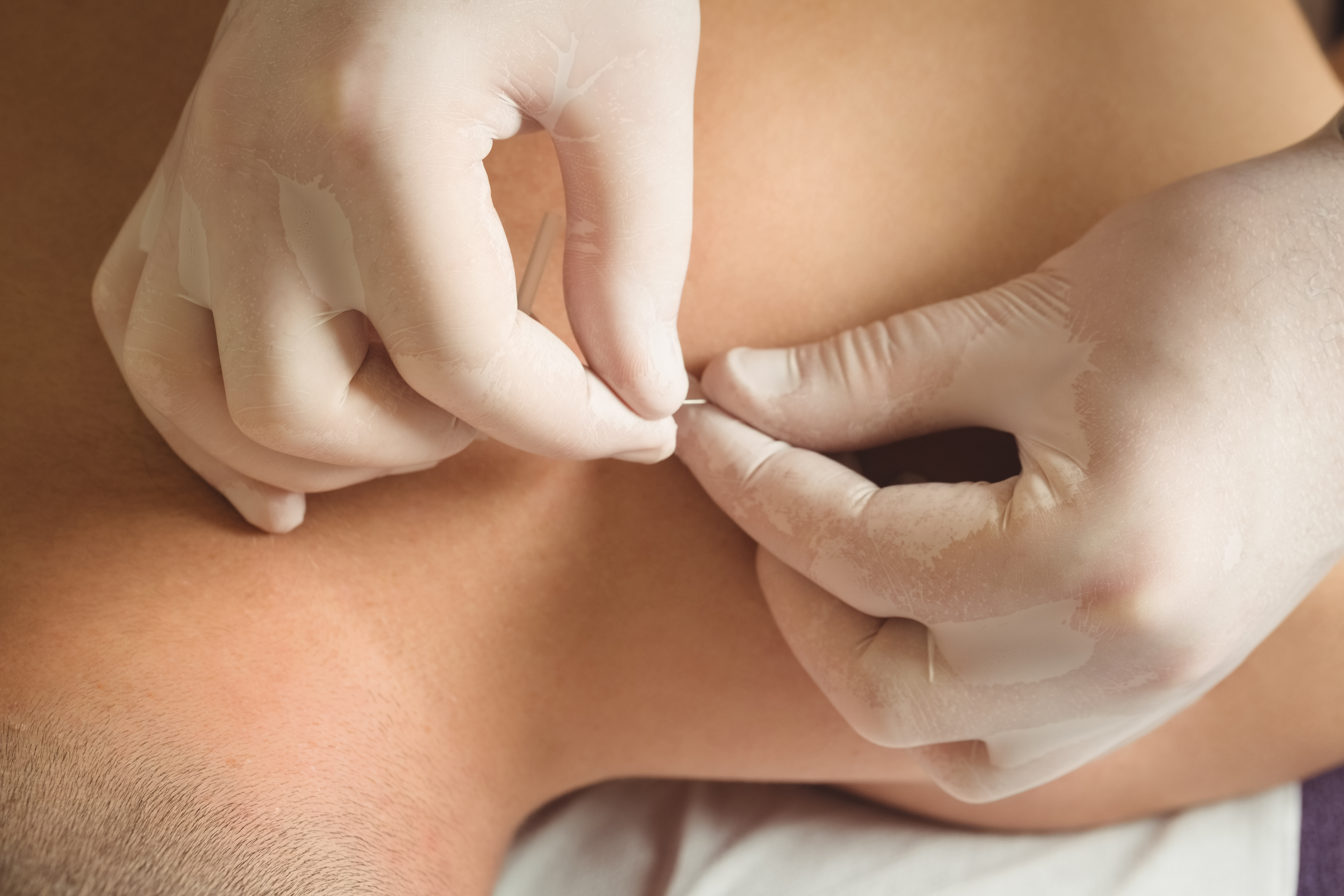
Dry needling is a therapeutic technique where a trained healthcare professional inserts a fine, sterile needle into specific points in muscle tissue known as myofascial trigger points.¹ These trigger points are hyper-irritable knots of muscle fiber that cause pain, tension, and limited mobility.¹
Historically, this method is a modern, Westernized application of a traditional acupuncture technique called ashi point needling. An ashi point is simply the most tender spot on a muscle when pressed. The goal of dry needling is to stimulate these trigger points, which can release muscle knots, improve blood flow, and reduce pain, leading to immediate relief and an enhanced range of motion.¹
What is Massage Therapy? A Hands-On Method for Tension
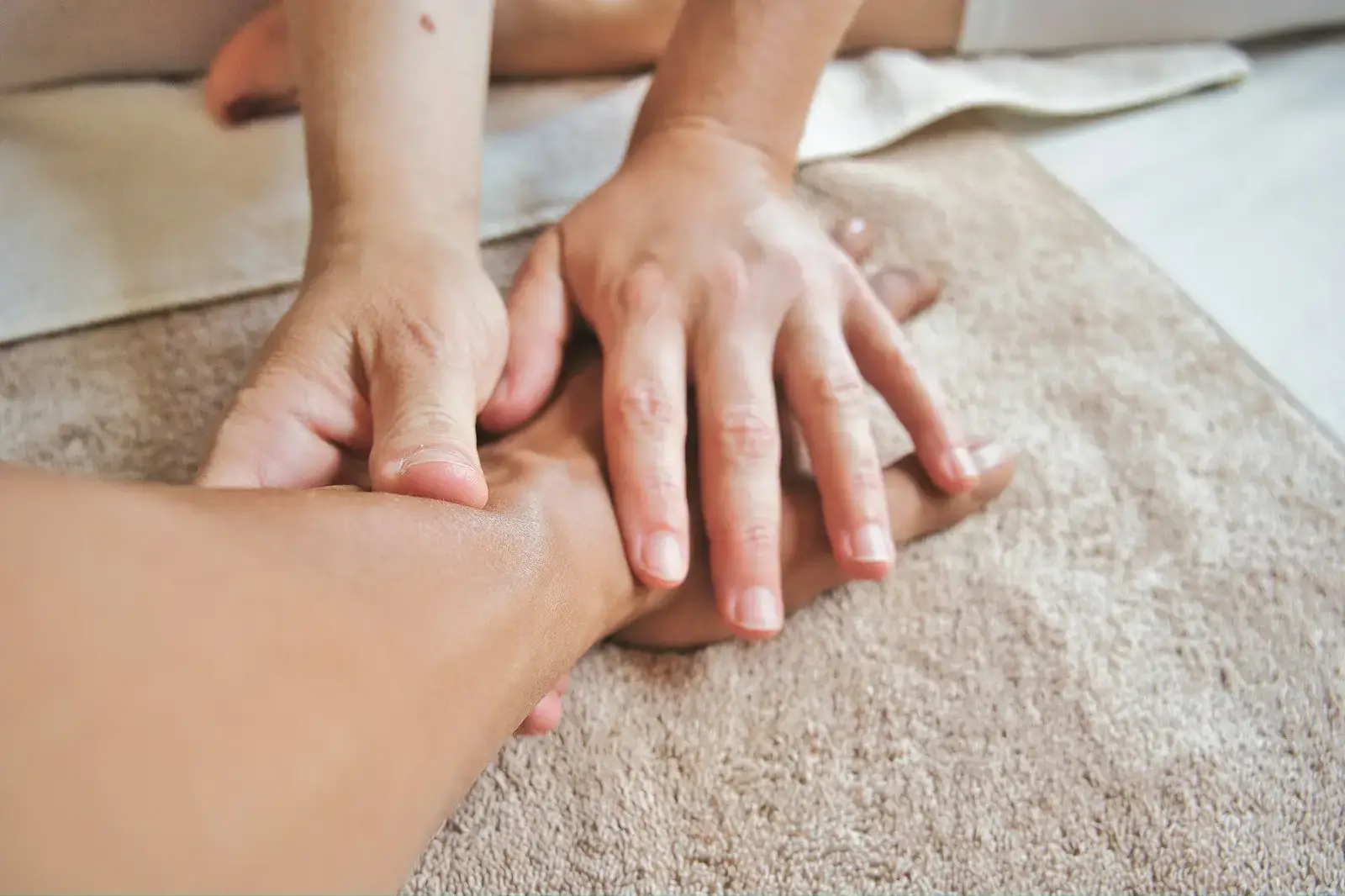
Massage therapy relies on manual, hands-on techniques to manipulate the body’s soft tissues, including muscles and connective tissue.² A massage therapist uses varying degrees of pressure and movement to reduce overall muscle tension, enhance blood flow, and stimulate the release of endorphins, which promotes relaxation and a sense of well-being.² It is commonly used for stress relief, general muscle soreness, and overall relaxation.
Dry Needling vs. Massage: A Head-to-Head Comparison
While both therapies address muscle pain, their methods and applications differ significantly. Here’s a direct comparison of dry needling versus massage therapy:
Feature
Dry Needling
Massage Therapy
Technique
Uses thin, sterile needles inserted directly into trigger points to release muscle tension.¹
Relies on manual techniques (pressure, kneading, stretching) to manipulate soft tissues.²
Target Area
Focuses with precision on specific trigger points and deeper layers of muscle tissue.¹
Can address both superficial and deeper tissues over a broader area or muscle group.²
Primary Goal
To relieve localized pain, restore muscle function, and improve range of motion.¹
To reduce stress, enhance relaxation, improve circulation, and address general muscle tension.²
Sensation
May cause a brief, sharp discomfort or an involuntary muscle twitch, which signals the release of a trigger point.¹
Typically provides a relaxing and soothing experience, though deep tissue massage can sometimes feel intense.
When to Choose Dry Needling Over Massage Therapy
The decision between dry needling and massage often comes down to the nature of your pain.
Choose Dry Needling if:
Your pain stems from specific, palpable knots (trigger points) that are causing chronic discomfort.¹
You have deep muscle tension that is difficult to reach with hands-on massage techniques.
You are recovering from a sports injury or dealing with conditions like sciatica where targeted release is needed.¹
You want to rapidly improve your range of motion or restore function to a specific muscle.¹
Choose Massage Therapy if:
Your primary goal is relaxation and stress relief.²
You have general muscle tension or soreness across a wide area rather than a specific, sharp pain point.²
You prefer a less invasive, more gentle approach to pain relief.
Can Dry Needling and Massage Therapy Be Combined?
Yes, and they often work best together. Combining dry needling and massage therapy can create a powerful, synergistic effect for comprehensive relief. A common and effective approach is to:
Start with Dry Needling: This allows the practitioner to precisely target and release deep, stubborn trigger points that massage alone might not resolve.¹
Follow with Massage Therapy: A massage after a dry needling session can help soothe any residual soreness, further enhance relaxation, and improve circulation to the entire muscle group, promoting overall recovery.²
By understanding the key differences in the dry needling vs. massage therapy debate, you can make an informed decision. Dry needling offers a highly targeted, quick-acting solution for chronic pain and trigger points, while massage therapy provides a more holistic, relaxing experience for overall wellness.
References
Gattie E, Cleland JA, Snodgrass S. The Effectiveness of Trigger Point Dry Needling for Musculoskeletal Conditions by Physical Therapists: A Systematic Review and Meta-analysis. J Orthop Sports Phys Ther. 2017;47(3):133-149.
Yoon JH, Kim BB, Kim WY, et al. Comparison of dry needling and trigger point manual therapy in patients with neck and upper back myofascial pain syndrome: a systematic review and meta-analysis. J Man Manip Ther. 2021;29(3):136-146.
Erectile Dysfunction (ED) is a prevalent condition that can significantly impact quality of life. While commonly attributed to hormonal or psychological factors, emerging evidence highlights the role of pelvic floor dysfunction, impaired penile…
Vasectomy Overview and Potential Side Effects A vasectomy is a common and highly effective surgical procedure for male sterilization. It involves cutting or sealing the vas deferens to prevent sperm…
Are you tired of living with chronic pain? Dry needling, a scientifically backed form of trigger point therapy, may offer the relief you’ve been seeking. Studies show that dry needling…
118 W. 72nd, Rear Lobby, Upper West Side, NY 10023 Evidence-based acupuncture and dry needling on the Upper West Side, NYC. From chronic pain, headaches, and pelvic floor dysfunction, Dr. Jordan Barber integrates the highest level of training with compassionate care to help you thrive. Disclaimer: This site does not provide medical advice. Always consult a qualified healthcare professional before making changes to your health. Read our full disclaimer
Quick Links
Got Questions?
Limited spots available each week book now to reserve yours