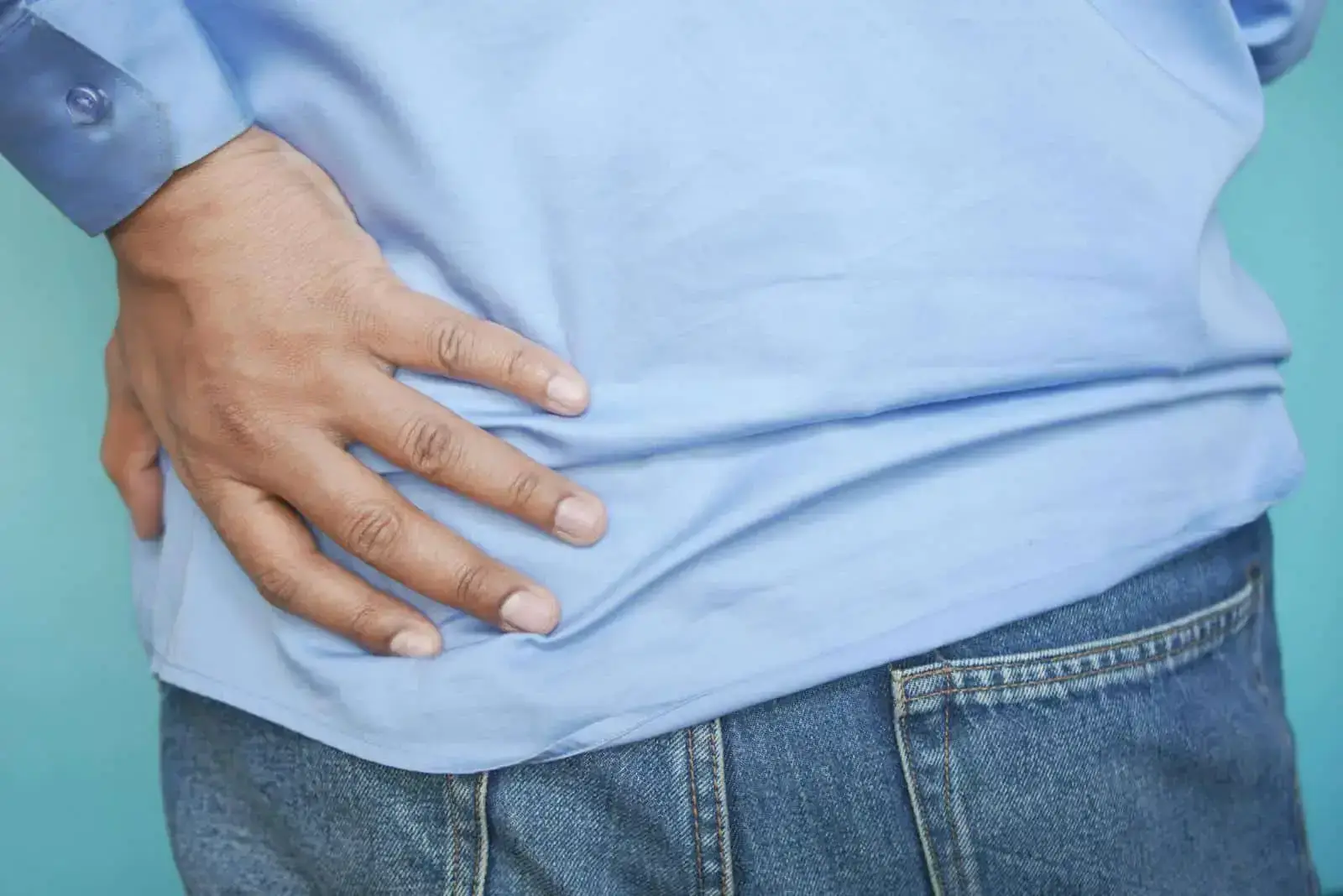
Dry needling is a popular therapeutic technique often used to alleviate muscle pain and tension. If you’re new to this treatment, it’s natural to wonder, does dry needling hurt? This method involves the insertion of sterile needles into specific areas of the body, targeting muscle trigger points to provide relief from various musculoskeletal conditions.
While some may feel minimal discomfort during the procedure, many patients find the benefits far outweigh any temporary sensations. Whether you’re dealing with muscle knots, sports injuries, or chronic pain, dry needling works as an effective treatment option for improving muscle function and reducing tension.
What is Dry Needling and How Does it Work?
The Basics of This Acupuncture Technique
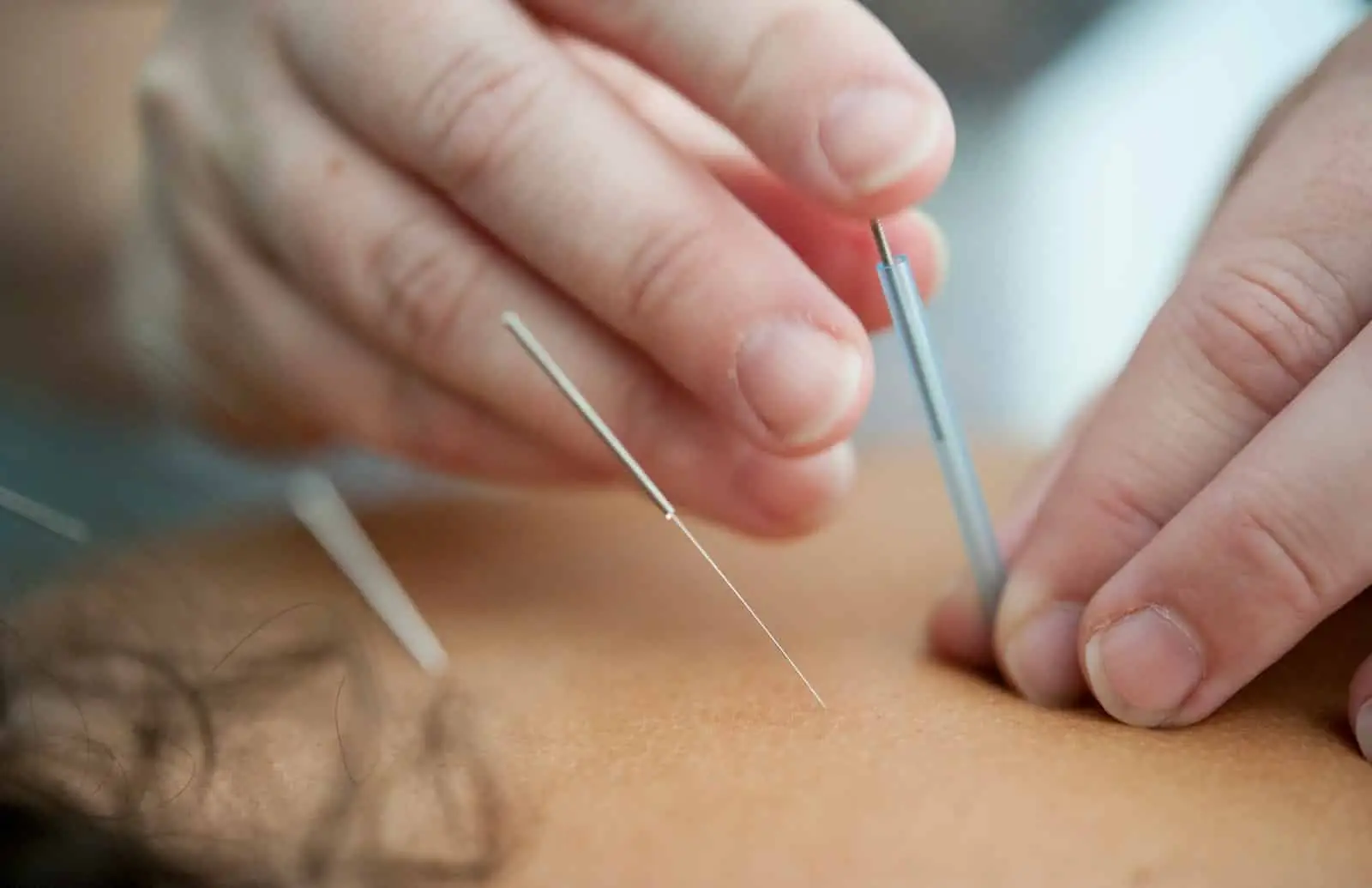
Dry needling treatment is a acupuncture technique and has become a physical therapy technique used by physical therapists and medical doctors that involves the insertion of sterile needles into specific areas of the body, such as muscle trigger points, myofascial trigger points, and connective tissue. These needles are used to stimulate the muscle tissue, promote relaxation, and improve overall muscle function. Like acupuncture, which is rooted in traditional Chinese medicine and eastern medicine philosophies, dry needling is a subset of acupuncture based on western medicine principles and is widely practiced in sports physical therapy.
The goal of dry needling is to alleviate muscle pain, muscle tension, and various musculoskeletal conditions. By targeting knotted muscles or tight muscles, this therapeutic technique aims to restore proper muscle function and reduce discomfort. The treatment can also increase blood flow to the affected area, which supports the body’s natural healing process.
Conditions That Dry Needling Helps Treat
Dry needling helps treat a variety of conditions, making it a versatile treatment option for many patients. This includes muscle spasms, shoulder pain, and hip pain, as well as knee pain and plantar fasciitis. Additionally, it can address carpal tunnel syndrome and musculoskeletal pain caused by chronic issues or acute sports injuries. For those dealing with muscle knots or tight muscles, dry needling provides an effective way to release tension and restore mobility.
Beyond these common conditions, dry needling is also used to manage more complex medical conditions, such as phantom limb pain and certain soft tissue disorders. It is particularly beneficial for athletes and individuals recovering from sports injuries, as it helps reduce pain and improve overall performance. Whether dealing with chronic pain or a specific injury, consulting a healthcare professional can help determine if dry needling is right for you.
Does Dry Needling Hurt? What to Expect During Treatment
Sensations During the Procedure
One of the most common questions is whether dry needling hurts. During the procedure, patients may experience minimal discomfort as the sterile needles are inserted into specific areas. A common sensation is the local twitch response, which occurs when the needle stimulates a muscle trigger point. This twitch is a sign that dry needling works effectively to release tension and improve muscle fibers.
Other sensations during the procedure might include a dull ache or mild muscle spasms. These feelings are typically brief and are often followed by a sense of relief. It’s important to communicate with your licensed physical therapist or healthcare provider throughout the session to ensure your comfort and to understand how your body responds to the treatment.
Post-Treatment Soreness and Recovery
After the first session of dry needling, post-treatment soreness is a common experience. This soreness is usually mild and feels similar to the muscle soreness you might experience after a workout. It typically resolves within a day or two as the body begins its healing process.
To support recovery, gentle stretching, deep breathing, and staying hydrated can be beneficial. Your healthcare provider may also recommend specific aftercare steps based on your individual needs and medical history. If you experience any unusual or serious side effects, it’s important to consult your healthcare professional immediately.
Who Can Benefit From Dry Needling?
Ideal Candidates for This Therapeutic Technique
Dry needling is ideal for individuals dealing with musculoskeletal conditions, muscle trigger points, or chronic muscle pain. It’s a particularly effective treatment option for athletes recovering from sports injuries, as well as those experiencing tight muscles, muscle spasms, or muscle knots. Patients looking for immediate relief from conditions like shoulder pain, hip pain, or knee pain may find this therapy beneficial.
This therapeutic technique is also commonly used in sports medicine and physical therapy for its ability to improve muscle function and promote long-term recovery. Whether you’re an athlete or someone seeking relief from persistent discomfort, dry needling can be tailored to meet your specific needs through personalized treatment sessions provided by a licensed physical therapist.
When Dry Needling May Not Be Suitable
While dry needling is generally safe, it may not be suitable for everyone. Patients who are on blood thinners or have compromised immune systems should discuss their medical history with a healthcare provider before starting treatment. Additionally, individuals with specific medical conditions or a history of serious side effects may need to explore alternative therapies.
It’s crucial to consult a licensed physical therapist or healthcare professional to determine if dry needling is the right choice for your situation. A thorough evaluation will ensure that your treatment plan is both safe and effective, tailored to your unique needs and health considerations.
How Dry Needling Fits Into Pain Management
Dry needling plays a significant role in pain management by addressing the underlying causes of musculoskeletal pain. This physical therapy technique disrupts the pain cycle by releasing muscle tension and improving the function of muscle fibers. By targeting specific areas of discomfort, dry needling helps provide immediate relief and supports long-term recovery.
One of the key benefits of dry needling is its ability to promote increased blood flow to the affected area, which accelerates the healing process. This makes it an effective component of a holistic approach to pain relief that may include other therapies from both eastern medicine and western medicine traditions. By combining these approaches, patients can achieve a more comprehensive and effective treatment outcome.
Many healthcare providers incorporate dry needling into treatment plans for conditions ranging from sports injuries to chronic musculoskeletal pain. When performed by a licensed professional, this therapeutic technique offers a safe and effective way to enhance overall well-being and address persistent discomfort.
Key Takeaways on Dry Needling’s Safety and Effectiveness
Dry needling is a safe and effective treatment option for addressing a wide range of musculoskeletal pain and muscle tension. It works by targeting muscle trigger points and promoting increased blood flow, which supports the body’s natural healing process. This therapeutic technique is particularly beneficial for individuals dealing with chronic pain, sports injuries, or tight muscles, offering both immediate relief and long-term benefits.
When performed by a licensed physical therapist or healthcare provider, dry needling treatment is tailored to each patient’s unique needs and medical conditions. The use of sterile needles and adherence to proper medical protocols ensure a low risk of complications or serious side effects. However, it is always important to discuss your medical history and any specific concerns with a qualified healthcare professional to ensure the treatment is safe for you.
Ultimately, dry needling can complement other forms of pain management, whether as part of western medicine or a holistic approach that incorporates elements of eastern medicine. By improving muscle function, breaking the pain cycle, and enhancing overall well-being, this unique physical therapy technique found in acupuncture continues to be a valuable option for many patients seeking effective relief from discomfort.