Burning Without Infection

When testing is negative and antibiotics or antifungals do not change the burning, the next step is often a functional assessment of pelvic floor tone, nerve sensitivity, and irritant-driven signaling.
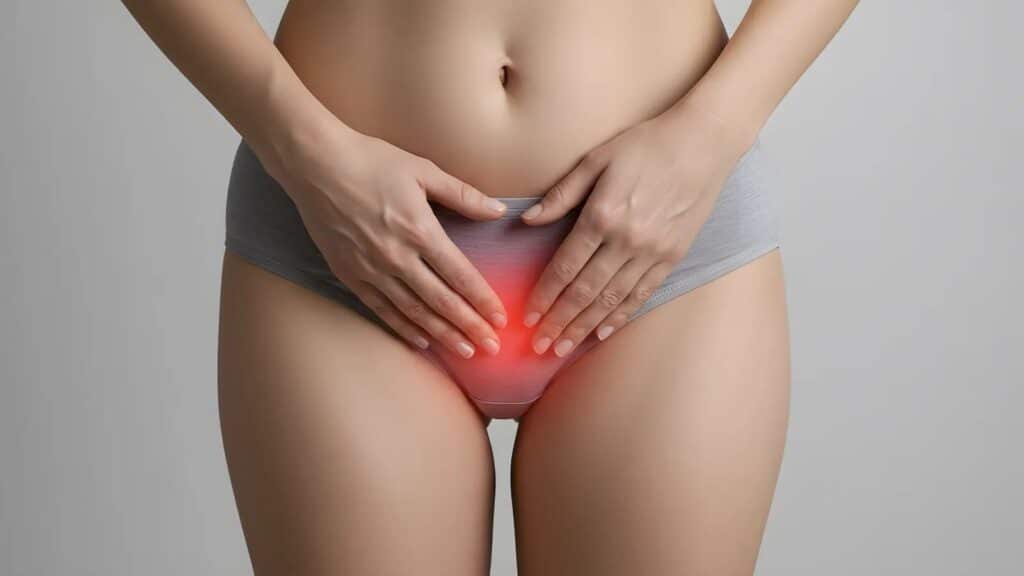
Woman holding lower abdomen in discomfort

The Clinical Reality

Burning sensations in the vulvar, vaginal, urethral, penile, or perineal region can persist even when infection is not present. Once urgent and infectious causes are appropriately ruled out by your medical team, the symptom often behaves less like an ongoing tissue injury and more like a sensitivity and signaling pattern.

Common functional contributors include protective pelvic floor guarding (often elevated tone rather than weakness), myofascial trigger points referring burn-like pain, and irritation along nerve pathways that share “wiring” with the bladder and genital tissues. Repeated flares can also increase nervous system gain, meaning normal inputs (friction, urine concentration, sitting pressure, certain topical products) start to register as burning. The goal is to reduce threat signals and restore predictable tolerance with hands-on assessment and targeted treatment.

Why Standard Care Fails

Standard care is essential for rule-out, but it can fall short when symptoms are driven by functional and neurologic factors rather than an active infection. Lab tests can be normal while the pelvic floor remains in a protective holding pattern, or while nerves remain sensitized from prior irritation.

  • Medications may reduce inflammation or alter nerve signaling but cannot directly normalize pelvic floor coordination or local tissue sensitivity patterns.
  • Imaging is often non-diagnostic because myofascial trigger points, guarding, and nerve mechanosensitivity rarely show up on scans.
  • Repeated antimicrobial trials can be appropriate early on, but if they do not change the pattern, the remaining gap is usually mechanical and neurophysiologic, not “more of the same.”

Signs & Symptoms

Do any of these sound familiar?

Burning with urination or after voiding despite negative testing

Often worse with concentrated urine, dehydration, caffeine, alcohol, or after a long interval between voids. The burning may linger minutes to hours after urination rather than only during the stream.

Burning provoked by sitting, cycling, or prolonged hip flexion

Pressure sensitivity near the perineum or vulvar/penile base that increases with desk work, travel, or spin classes and eases with standing, walking, or changing position.

Post-intercourse or friction-related burning

Symptoms may flare after sex, tampon use, pelvic exams, or tight clothing. The irritation can feel superficial yet be driven by deeper pelvic floor tone and referred pain.

Burning with “normal” exams and fluctuating day-to-day intensity

Good days and bad days without a clear infection trigger, often tied to stress load, sleep disruption, constipation, or high training volume.

Associated pelvic pressure, urgency, or incomplete emptying

A sense of urgency without much volume, a tight or clenching pelvic feeling, or the need to strain. These can reflect elevated pelvic floor tone and altered bladder signaling.

Root Cause Contributors

The mechanical drivers behind your symptoms

Pelvic Floor Myofascial Hypertonicity

Protective guarding and elevated resting tone can refer burning to the urethral, vulvar, vaginal, penile, or perineal region and can amplify friction sensitivity.

Pudendal and Perineal Nerve Mechanosensitivity

Nerve irritation or reduced glide can make sitting pressure, hip position, or pelvic floor tension feel like burning, stinging, or rawness.

Referral from Hip and Adductor Trigger Points

Obturator internus, adductors, iliopsoas, and deep gluteal tissues can refer symptoms into the groin and pelvic region and contribute to nerve loading.

Central Sensitization and Threat Signaling

After repeated flares, the nervous system can become more reactive. Normal inputs like mild dryness, urine acidity, or light touch may be interpreted as burning.

What to Expect

Your roadmap to recovery
After the first 1 to 3 visits
Clearer understanding of triggers and the mechanical or neural contributors. Many patients notice a change in symptom texture (less sharp or less persistent) or improved predictability, even if burning still occurs.
Weeks 3 to 6
Meaningful reduction in flare frequency or duration, improved sitting or activity tolerance, and fewer “mystery” spikes. The focus is on restoring control and reducing sensitivity to common inputs.
Weeks 6 to 12
More durable capacity for work, travel, training, and intimacy with a practical flare plan. Some patients continue maintenance or taper visits based on workload and symptom volatility.

Frequently Asked Questions

Get answers to common questions

No. Negative infection tests mean an infection is less likely, not that your symptoms are imaginary. Burning can be generated by pelvic floor guarding, nerve mechanosensitivity, contact irritation, or nervous system sensitization. These are functional findings that require a different type of assessment than lab work.

Medication decisions should be made with your prescribing clinician. If multiple appropriately chosen courses do not change the symptom pattern, it is reasonable to re-evaluate the working hypothesis with gynecology or urology and consider functional contributors. Our clinic can support that process, but we do not direct antimicrobial use.

We look for reproducibility and pattern changes on exam. Trigger point palpation can reproduce a familiar burn in consistent referral zones. Nerve mechanosensitivity tends to track along a nerve distribution and correlate with sitting pressure, hip position, or tension testing. Often there is overlap, and treatment is prioritized based on which driver appears dominant.

Not always. In many burning presentations, the pelvic floor is overactive and guarded. Strengthening exercises can sometimes increase tone and worsen symptoms if relaxation and coordination are not addressed first. If exercises are indicated, they are timed to your presentation and often coordinated with pelvic floor physical therapy.

Dry needling uses very thin sterile needles to treat myofascial trigger points and reduce protective tone. When pelvic floor work is indicated, technique selection and dosing matter. We proceed conservatively, explain anatomy and consent clearly, and adjust based on your response and comfort. Not every patient needs internal pelvic floor work to improve.

Many patients start with weekly visits to build momentum and reduce flare volatility, then taper as capacity improves. Frequency is individualized based on irritability, chronicity, travel and work demands, and whether pelvic floor PT or medical management is happening in parallel.

Ready to Find Real Answers?

Schedule a free 15-minute discovery call to discuss your case and determine if our approach is right for you.

Related Conditions We Treat

118 W. 72nd, Rear Lobby, Upper West Side, NY 10023 Evidence-based acupuncture and dry needling on the Upper West Side, NYC. From chronic pain, headaches, and pelvic floor dysfunction, Dr. Jordan Barber integrates the highest level of training with compassionate care to help you thrive. Disclaimer: This site does not provide medical advice. Always consult a qualified healthcare professional before making changes to your health. Read our full disclaimer

Got Questions?

Limited spots available each week book now to reserve yours
Free Discovery Call
Got Questions Before You Book?
Schedule an Apointment

Phone

Email Us

support@drbarberclinic.com
COPYRIGHT ©ELEMENT ONE ACUPUNCTURE PLLC | ALL RIGHTS RESERVED