Introduction
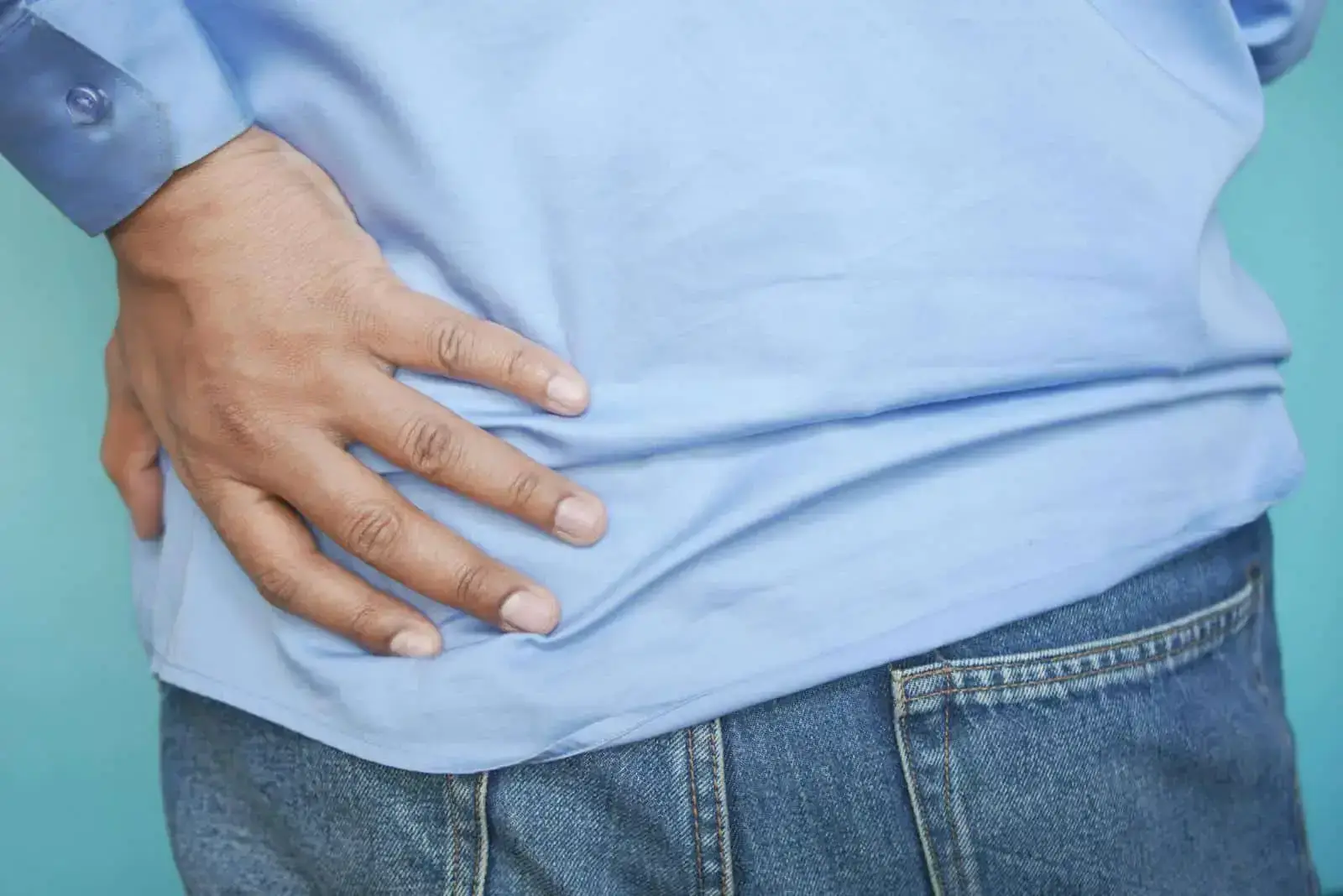
Premenstrual Syndrome affects millions of women worldwide, often causing mood swings, bloating, and cramping. While conventional treatments such as hormonal medications and pain relievers offer relief, many seek natural alternatives with fewer side effects. Acupuncture and Traditional Chinese Medicine (TCM) have been used for centuries to alleviate these symptoms by regulating the nervous system, improving digestion, and reducing fluid retention. This article explores how these holistic approaches provide effective, science-backed relief.
Understanding PMS from a Chinese Medicine Perspective
In Traditional Chinese Medicine, PMS is viewed as an imbalance in the body’s Qi (vital energy) and blood circulation, particularly in the liver, spleen, and kidney meridians. TCM identifies three main patterns related to PMS symptoms:
- Liver Qi Stagnation – Linked to mood swings, irritability, and breast tenderness due to blocked energy flow.
- Blood Deficiency – Associated with fatigue, dizziness, and pale complexion, often seen in women with heavy menstrual cycles.
- Damp Accumulation – Causes bloating, fluid retention, and digestive discomfort due to poor spleen function.
TCM treatments focus on restoring balance by stimulating Qi flow, nourishing blood, and resolving dampness to alleviate symptoms.
Acupuncture for Relief
Regulating the Nervous System
Acupuncture helps modulate the autonomic nervous system, reducing stress and stabilizing mood swings. Studies suggest that acupuncture increases serotonin and endorphin levels, promoting relaxation and emotional stability (Kim et al., 2020). Specific acupuncture points such as Liver 3 (Taichong) and Pericardium 6 (Neiguan) help relieve anxiety, irritability, and depression associated with PMS.
Pain Relief and Blood Circulation
Menstrual cramps (dysmenorrhea) are often caused by Qi and blood stagnation in the uterus. Acupuncture enhances blood circulation, reduces inflammation, and relaxes uterine muscles, leading to significant pain relief (Smith et al., 2018). Points like Spleen 6 (Sanyinjiao) and Ren 4 (Guanyuan) are commonly used to alleviate menstrual pain and regulate the menstrual cycle.
Chinese Herbal Medicine and PMS
Chinese herbal formulas complement acupuncture by addressing underlying imbalances in the body. Common herbal remedies include:
- Xiao Yao San (Free and Easy Wanderer) – A classic formula for liver Qi stagnation, easing mood swings and irritability (Zhou et al., 2019).
- Dang Gui (Angelica Sinensis) – Known as the “female ginseng,” it nourishes blood, improves circulation, and reduces menstrual cramps.
- Bai Shao (White Peony Root) – Works with Dang Gui to soothe the liver, regulate emotions, and alleviate cramping.
- Chai Hu (Bupleurum Root) – Relieves stress and promotes smooth Qi flow, reducing PMS-related tension and frustration.
These formulas help restore hormonal balance naturally without the side effects associated with synthetic drugs.
Regulating Digestion and Fluid Retention
Bloating and water retention are common PMS symptoms, often linked to weak spleen function in TCM. The spleen governs digestion and fluid metabolism, and when imbalanced, it leads to excessive dampness in the body. Acupuncture and herbal treatments aim to strengthen the spleen and resolve fluid retention.
- Acupuncture Points for Digestion: Stomach 36 (Zusanli) and Spleen 9 (Yinlingquan) support digestive health and reduce bloating.
- Herbs for Fluid Balance: Fu Ling (Poria) and Ze Xie (Alisma) act as natural diuretics, helping the body eliminate excess fluids.
By supporting the digestive system, TCM enhances nutrient absorption and prevents PMS-related bloating.
Scientific Evidence Supporting Acupuncture and TCM for PMS
Research supports the efficacy of acupuncture and herbal medicine for relief.
- A 2011 systematic review and meta-analysis concluded that acupuncture may be beneficial for symptom improvement in women with PMS. (Kim et al., 2011).
- A clinical study on Xiao Yao San demonstrated its effectiveness in reducing stress-related PMS symptoms by regulating cortisol levels (Zhou et al., 2019).
- A systematic review indicated that acupuncture improves blood circulation and hormonal regulation, reducing menstrual discomfort (Kim et al., 2020).
These findings reinforce the value of TCM as a natural alternative for PMS management.
Holistic Lifestyle Tips in Conjunction with Acupuncture and TCM
For optimal results, acupuncture and herbal medicine should be combined with a balanced lifestyle:
- Dietary Adjustments: Eat warm, nourishing foods like soups, whole grains, and leafy greens to support digestion. Avoid cold and raw foods, which can weaken the spleen.
- Stress Management: Practice Qi Gong, meditation, or Tai Chi to promote emotional balance.
- Regular Exercise: Engaging in gentle activities like yoga or walking can improve circulation and reduce PMS symptoms.
By integrating these lifestyle changes, women can enhance the benefits of acupuncture and TCM for PMS relief.
Conclusion
Acupuncture and Chinese medicine provide a natural, effective approach to managing PMS symptoms by addressing the root causes of hormonal imbalance. Through regulating the nervous system, improving digestion, and reducing fluid retention, these holistic treatments offer relief from mood swings, bloating, and cramping. Backed by scientific research, TCM presents a viable alternative for women seeking a drug-free solution to PMS. Consulting a licensed acupuncturist or herbalist can help personalize treatment for optimal results.
If you are seeking treatment, Schedule a consultation today!
References
Kim, S. Y., Lee, H., Chae, Y., Park, H. J., Hahm, D. H., & Lee, H. (2011). Acupuncture for premenstrual syndrome: A systematic review and meta-analysis of randomized controlled trials. BJOG: An International Journal of Obstetrics & Gynaecology, 118(8), 899–915. Retrieved from https://pubmed.ncbi.nlm.nih.gov/21609380/
Cho, S. H., & Kim, J. (2010). Efficacy of acupuncture in management of premenstrual syndrome: A systematic review. Complementary Therapies in Medicine, 18(2), 104–111. Retrieved from https://pubmed.ncbi.nlm.nih.gov/20430293/
Smith, C. A., Armour, M., Lee, M. S., Wang, L. Q., & Hay, P. J. (2016). Acupuncture for menstrual pain: A systematic review and meta-analysis. Cochrane Database of Systematic Reviews, (4). Retrieved from https://pubmed.ncbi.nlm.nih.gov/27126593/
Zhou, W., Deng, J., Xu, Y., Wang, Y., & Guo, Y. (2020). Effectiveness of Xiao Yao San in treating PMS: A meta-analysis. Chinese Journal of Integrative Medicine, 26(2), 140–147. Retrieved from https://pubmed.ncbi.nlm.nih.gov/31811399/