Runner’s Knee in NYC: Causes, Symptoms, and Treatment Options
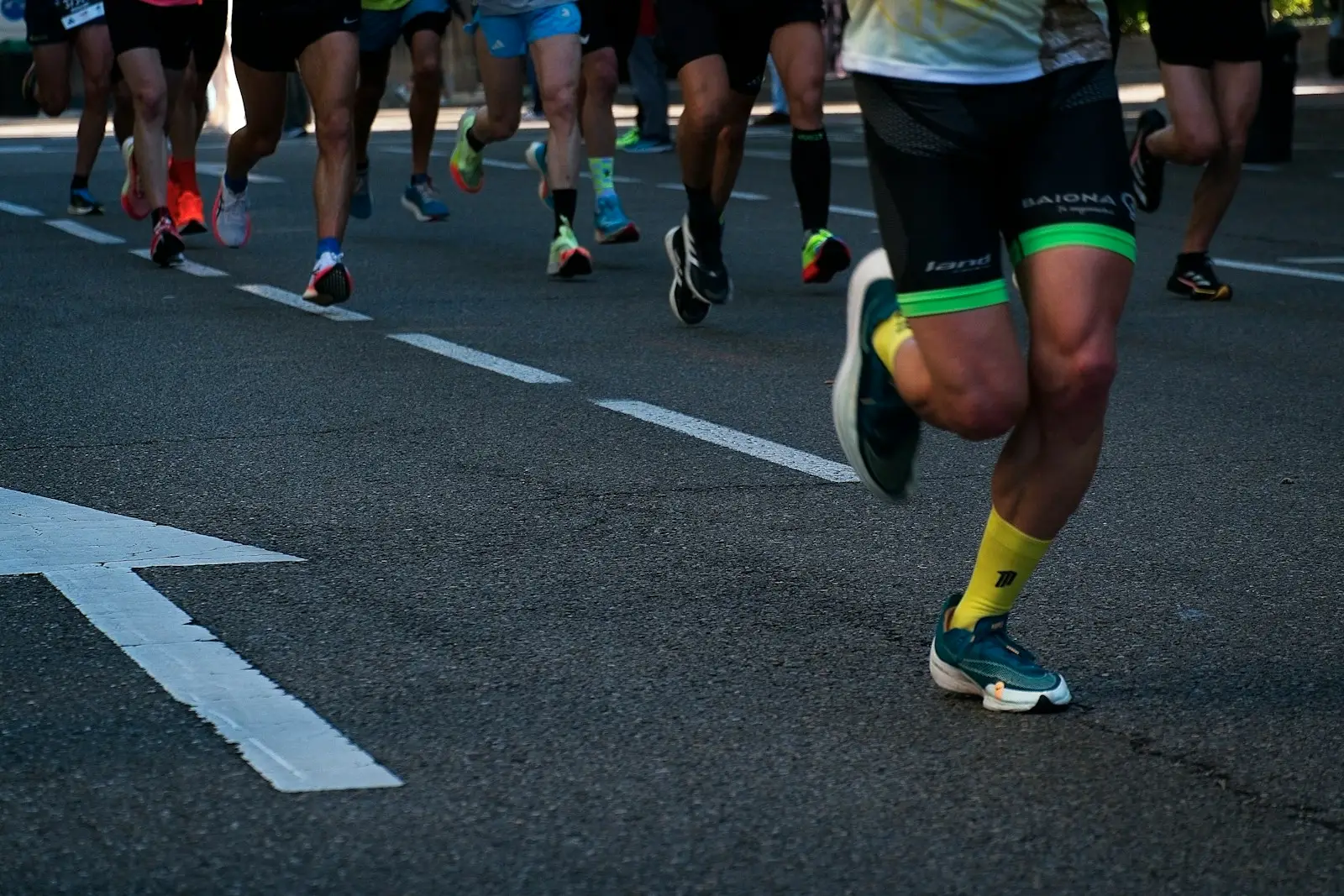
Runners knee is a common condition that affects both athletes and everyday New Yorkers. The medical term for this problem is patellofemoral pain syndrome, which describes pain at the front of your knee where the kneecap meets the thighbone. It is one of the most frequent knee injuries seen in young adults and active people who spend a long time on their feet.
What causes runner’s knee?
There are several reasons why runners knee develops:
Overuse and repetitive strain from running long distances, climbing stairs, or spending long periods in positions that place stress on the knee joint
Muscle imbalances such as weak thigh muscles or hip muscles, tight hamstrings, and tight Achilles tendons that affect how the patella tracks
Structural risk factors like flat feet, poor footwear, or worn-out running shoes that change the way force travels through the lower leg
Direct trauma or additional conditions such as Jumper’s Knee, meniscus tear, or chondromalacia patella that also cause pain in the front of the knee
A healthcare provider may also consider general wear and tear, reduced blood flow, or abnormal alignment as contributing causes.
Symptoms you should not ignore
The most common symptoms include a painful knee at the front of your knee during physical activity, when sitting for a long time, or while performing everyday activities like squatting or climbing stairs. Some patients describe swelling, clicking, or a feeling of instability in the knee joint. If the knee hurts often, it can limit your ability to maintain a healthy weight, enjoy physical activity, or keep up with daily responsibilities.
Treatment options for runner’s knee
Most cases do not require knee surgery, but a tailored treatment plan is important.
Rest and pain relief strategies such as cold packs or an ice pack after exercise
Physical therapy with strengthening exercises to correct muscle imbalances and support the soft tissues around the patella
Manual therapy to improve mobility and reduce stiffness
Supportive treatment like a knee brace, better footwear, or orthotics for flat feet
Low-impact activity like swimming or cycling to maintain general health without aggravating the knee joint
If symptoms do not improve, imaging studies such as magnetic resonance or a CT scan may be used. A sports medicine specialist or orthopaedic surgeons may recommend further intervention. In urgent cases such as sudden locking or severe swelling, visiting urgent care can be a good idea. The American Academy of Orthopaedic Surgeons also provides guidance for managing sports injuries and long-term outcomes.
Dry needling for runner’s knee treatment in NYC
Dry needling is an effective treatment option for runners knee that addresses muscle imbalances and improves blood flow to the painful knee. By targeting trigger points in the quadriceps, gluteal muscles, and IT band, dry needling can relieve the pain of runner’s knee and reduce strain on the knee joint. Research shows that when combined with strengthening exercises, dry needling leads to faster pain relief and better function compared with exercise alone. Patients often find this approach beneficial because it provides relief without the side effects of medication.
Prevention and recovery
Preventing runner’s knee involves gradual training, wearing supportive running shoes, stretching tight hamstrings and Achilles tendons, and focusing on strength training for the hip muscles and thigh muscles. Maintaining a healthy body weight and balanced activity level is also key to reducing risk factors. Recovery time varies, but most patients improve within weeks to months when following the right treatment plan.
Why choose our NYC clinic
Our clinic specializes in treating knee injuries and sports injuries with an integrative approach. We combine biomechanical principles, expert advice, and evidence-based interventions like dry needling. Whether your goal is to get back to long-distance running or to simply enjoy everyday activities without knee pain, we provide individualized care.
Book Today
If your knee hurts or you are struggling with the pain of runner’s knee, don’t wait a long time before getting help. Schedule an appointment today at our Upper West Side clinic for dry needling treatment. Let us help you return to activity with less pain and more confidence.
InformedHealth.org. (2024, January 30). Patellofemoral pain syndrome (runner’s knee): Learn more—How can you relieve pain at the front of the knee? NCBI Bookshelf. Retrieved from https://www.ncbi.nlm.nih.gov/books/NBK561504/
Smith, B. E., et al. (2018). Incidence and prevalence of patellofemoral pain. British Journal of Sports Medicine, 52(5), 276–281. https://www.ncbi.nlm.nih.gov/pmc/articles/PMC5764329/
Miri Abyaneh, H., et al. (2016). Physiotherapy with and without superficial dry needling affects pain and muscle strength in patients with patellofemoral pain syndrome. Iranian Rehabilitation Journal, 14(1), 23–30. http://dx.doi.org/10.15412/J.IRJ.08140104
If you’re in New York City dealing with a challenging health condition like chronic pain, you’ve likely considered acupuncture. It’s a powerful, time-tested medicine that uses ultra-thin needles to achieve…
Do your knees hurt every time you attempt a deep squat or engage in physical activity? If you feel pain at the front of your knee during movements like squats, you’re not alone. This is an incredibly common issue that can disrupt…
Irritable bowel syndrome (IBS) is a prevalent gastrointestinal disorder, affecting an estimated 10-15% of the global population (Oka et al., 2020). It manifests through a collection of symptoms including bloating,…
118 W. 72nd, Rear Lobby, Upper West Side, NY 10023 Evidence-based acupuncture and dry needling on the Upper West Side, NYC. From chronic pain, headaches, and pelvic floor dysfunction, Dr. Jordan Barber integrates the highest level of training with compassionate care to help you thrive. Disclaimer: This site does not provide medical advice. Always consult a qualified healthcare professional before making changes to your health. Read our full disclaimer
Quick Links
Got Questions?
Limited spots available each week book now to reserve yours