Masseter Muscle Pain Treatment in NYC: Effective Strategies for Jaw Function and TMJ Pain Relief
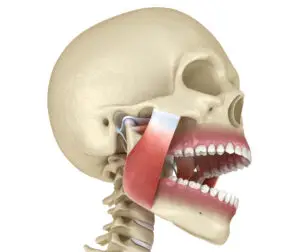
Jaw muscle pain, especially in the masseter, can make jaw movement, chewing, and even smiling difficult. This powerful skeletal muscle plays a crucial role in elevating the lower jaw and closing the bite, but when it develops muscle spasms, trigger points, or tension, it often results in TMJ pain and related pain conditions.
Understanding the common causes, symptoms, and treatment options for masseter dysfunction can help patients and healthcare providers work together toward the most appropriate treatment plan—one that restores comfortable jaw function and reduces muscle tension.
Why the Masseter Muscle Hurts
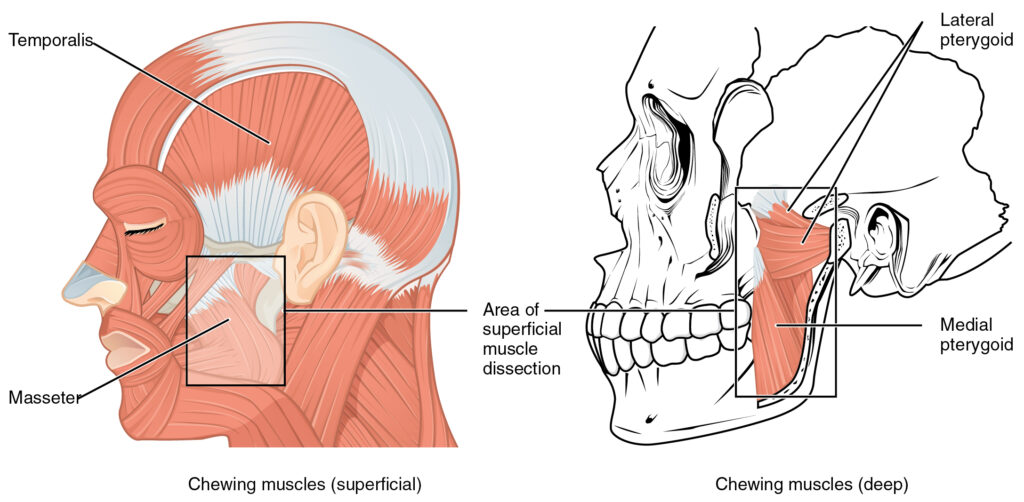
The masseter is often called the strongest muscle in the human body relative to size. It has a superficial layer, the superficial masseter muscle, and a deep masseter portion, attaching from the zygomatic arch to the jaw bone. This jaw muscle works in coordination with the temporalis muscle, lateral pterygoid muscle, and other facial muscles to power chewing. Together, they are innervated by branches of the trigeminal nerve.
When muscle fibers tighten due to emotional stress, jaw clenching, or posture problems, the result can be jaw tension, tension-type headache, and difficulty keeping the mouth open. In more advanced cases, this can lead to temporomandibular joint disorders or temporomandibular joint syndrome.
Common symptoms of masseter dysfunction include
difficulty chewing or biting harder foods
pain near the angle of the jaw that may radiate to the ear or neck muscles
tooth pain in the upper teeth or lower teeth, often misdiagnosed as dental issues
shoulder pain or postural strain from compensatory patterns
Recognizing Trigger Points and Referred Pain
Trigger points are small, hypersensitive nodules within the soft tissue of the masseter that lower the pressure pain threshold and reproduce acute pain when pressed. Studies using a rating scale in clinical trials show how these points often refer discomfort to
the upper front teeth and lower teeth
the temples, causing tension headaches
the ear or sinuses, simulating medical conditions such as sinusitis
the head and neck, contributing to neck muscle and shoulder pain
Trigger points in the deep masseter may cause severe pain, while the superficial layer can spread discomfort to broader areas of the jaw and face.
Self-Care and Jaw Exercises for Relief
Simple jaw exercises and jaw relaxation strategies can provide effective treatment at home.
Self-massage: Apply circular pressure over tender nodules to ease muscle contraction
Ischemic compression: Hold pressure on a tight spot for 5–10 seconds, then release
Jaw relaxation drills: Rest with lips closed, mouth open slightly, and teeth apart
Jaw stretches: Slowly open and close against light resistance to improve jaw function
Mouthguards: For patients with night-time jaw clenching, a custom appliance can prevent tooth wear and reduce jaw muscle pain
Professional Treatment Options in NYC
When self-care isn’t enough, a healthcare provider or physical therapist may recommend advanced treatment options such as
dry needling and acupuncture to deactivate trigger points and restore soft tissue balance (Shen & Goddard, 2007; Fernández-Carnero et al., 2010)
myofascial release and post-isometric relaxation to loosen muscle fibers while restoring alignment
Botox injections, sometimes used in female patients with chronic muscle tension, though risks must be weighed carefully (Mierzwa et al., 2022)
TMJ treatment combining dental, medical, and physical therapy care for complex temporomandibular joint dysfunction
For patients with underlying medical conditions like Rheumatoid Arthritis or Neuropathic Pain, care may require a multidisciplinary team.
Why Choose a Specialist in New York City
If you’re living with jaw tension, tension headaches, or jaw muscle pain that interferes with eating or speaking, the right treatment plan can make all the difference. At Dr. Jordan Barber Clinic in NYC, we specialize in orthopedic dry needling and acupuncture for TMJ pain, masseter dysfunction, and pain management.
Our integrative approach provides the best experience by addressing both the common cause of symptoms and the surrounding neck muscles and facial muscles that perpetuate dysfunction. Whether you’re struggling with acute pain or chronic temporomandibular joint disorders, we create customized treatment options for long-term relief.
References
Biel, A., & Dorn, R. (2010). Trail guide to the body: A hands-on guide to locating muscles, bones and more. Books of Discovery.
Corcoran, N. M., & Goldman, E. M. (2024). Anatomy, head and neck, masseter muscle. In StatPearls. StatPearls Publishing. Treasure Island (FL). https://www.ncbi.nlm.nih.gov/books/NBK539869/
Fernández-Carnero, J., La Touche, R., Ortega-Santiago, R., Galan-del-Rio, F., Pesquera, J., Ge, H. Y., & Fernández-de-Las-Peñas, C. (2010). Short-term effects of dry needling of active myofascial trigger points in the masseter muscle in patients with temporomandibular disorders. Journal of Orofacial Pain, 24(1), 106–112. https://pubmed.ncbi.nlm.nih.gov/20213033/
Janda, V. (1983). Muscle function testing. Butterworth-Heinemann.
Mierzwa, D., Olchowy, C., Olchowy, A., Nawrot-Hadzik, I., Dąbrowski, P., Chobotow, S., Grzech-Leśniak, K., Kubasiewicz-Ross, P., & Dominiak, M. (2022). Botox therapy for hypertrophy of the masseter muscle causes a compensatory increase of stiffness of other muscles of the masticatory apparatus. Life, 12(6), 840. https://doi.org/10.3390/life12060840
Shen, Y. F., & Goddard, G. (2007). The short-term effects of acupuncture on myofascial pain patients after clenching. Pain Practice, 7(3), 256–264. https://doi.org/10.1111/j.1533-2500.2007.00140.x
Travell, J. G., & Simons, D. G. (1993). Myofascial pain and dysfunction: The trigger point manual. Lippincott Williams & Wilkins.
Witmanowski, H., & Błochowiak, K. (2020). The whole truth about botulinum toxin: A review. Advances in Dermatology and Allergology, 37(6), 853–861. https://doi.org/10.5114/ada.2019.82795
Silent migraines—also called acephalgic migraines—are one of the most misunderstood types of neurological episodes. Unlike typical migraines, they don’t involve head pain. Instead, you experience symptoms like visual disturbances, sensory changes, or…
If you suffer from migraines or headaches, you know the toll they take—throbbing pain that stops you in your tracks, nausea that makes it hard to function, or sensitivity to…
Post-prostatectomy pain is a common but often overlooked challenge faced by men after prostate removal surgery. While prostatectomy can be life-saving in cases of prostate cancer or serious prostatic disease,…
118 W. 72nd, Rear Lobby, Upper West Side, NY 10023 Evidence-based acupuncture and dry needling on the Upper West Side, NYC. From chronic pain, headaches, and pelvic floor dysfunction, Dr. Jordan Barber integrates the highest level of training with compassionate care to help you thrive. Disclaimer: This site does not provide medical advice. Always consult a qualified healthcare professional before making changes to your health. Read our full disclaimer
Quick Links
Got Questions?
Limited spots available each week book now to reserve yours