Pectoralis Major Muscle Pain and Tears: Diagnosis, Treatment, and Recovery in NYC
Understanding the Pectoralis Major Muscle
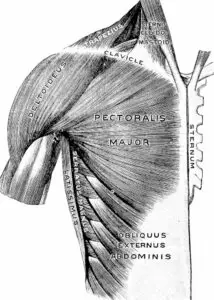
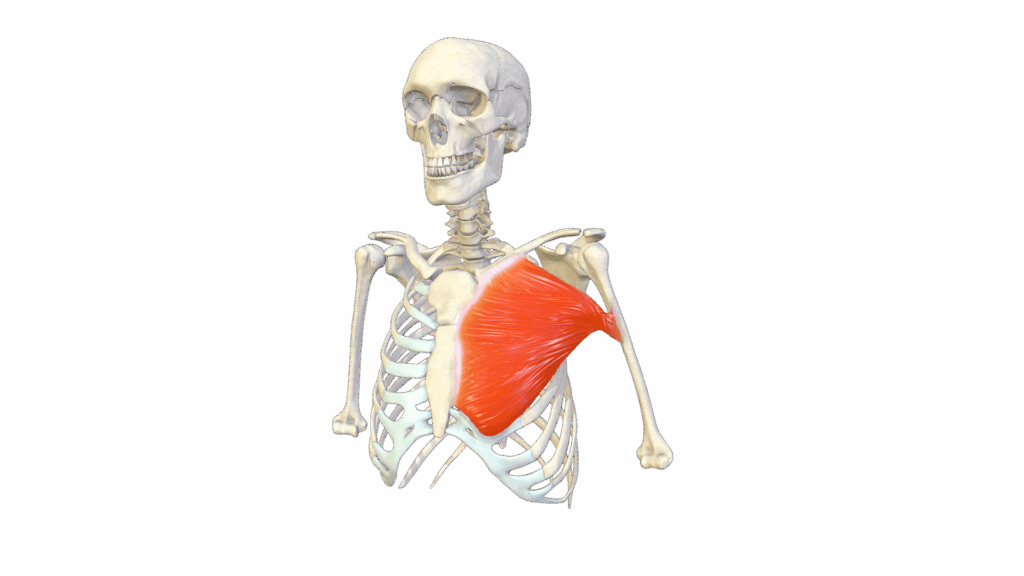
The pectoralis major is a large muscle on the front of the chest that connects the collarbone, breastbone, and rib cage to the upper arm bone. It has two main sections, the clavicular head and the sternocostal head, and works closely with the pectoralis minor and other smaller muscles in the chest region. Together, these pectoral muscles power everyday arm movements and provide stability to the shoulder joint and shoulder blade.
Because this muscle plays such a big role in pushing, lifting, and rotating the arms, it is heavily involved in weight training and resistance training exercises like the bench press, chest press, and push-ups. Unfortunately, it is also one of the more common injury sites among weightlifters, athletes in contact sports, and people who push themselves with heavy weights.
Common Causes and Symptoms
Pectoralis major muscle injuries range from mild muscle spasms and tightness to partial tears or complete rupture. Many injuries happen during sporting activities when there is a sudden forceful contraction, such as lowering a heavy bench press exercise. People often describe a tearing sensation in the chest region, followed by sudden pain and immediate loss of strength in the affected area.
Other signs include bruising along the anterior chest wall, visible changes in the shape of the chest, and reduced muscle function. Sometimes chest pain can be mistaken for heart attack or heart disease, which is why proper diagnosis is so important.
How Pectoralis Major Tears Are Diagnosed
Diagnosis usually begins with a careful physical exam, where the physician checks the muscle origin and the musculotendinous junction for tenderness, swelling, or tendon avulsion. Magnetic resonance imaging is often ordered to confirm the severity of the injury, showing whether there are partial tears, complete tears of the pectoralis, or involvement of soft tissue, muscle fibers, or even the long head of the biceps tendon.
Sports medicine literature, including systematic reviews and case reports in journals like J Shoulder Elbow Surg, describes the typical patterns of pectoralis major tears and the outcomes of different approaches to treatment.
Management and Treatment Options
The management of pectoralis injuries depends on the severity of the injury, the patient’s activity level, and their goals. For patients with low demand lifestyles or minor injuries, conservative treatment is often the best choice. This may include rest, pain management, dry needling, physical therapy, and a structured treatment plan that helps restore range of motion and reduce scar tissue in the muscle tissue.
For athletes and weightlifters who experience a major tendon rupture or complete rupture, surgical repair may be necessary. Orthopedic surgeons often use suture anchors to reattach the tendon to the humerus bone. After surgery, physical therapy helps rebuild strength and function. Studies, including those by ElMaraghy AW, have shown that early surgical repair leads to better outcomes, especially in restoring full strength.
The Role of Acupuncture and Dry Needling
Not all pectoralis major muscle injuries require surgery. For muscle tightness, spasms, or soft tissue pain without a complete tear, acupuncture and dry needling can be very effective. By targeting trigger points in the pectoralis major and pectoralis minor, these treatments help relieve sudden pain, restore muscle contractions to a normal rhythm, and improve blood flow to the affected area.
Dry needling is especially useful in pain management during the acute phase of an injury, and it supports recovery alongside physical therapy and other conservative treatments. Many NYC patients find this approach allows them to return to physical activity, weight training, and sporting activities more comfortably and with fewer setbacks.
Recovery and Self-Care
Successful recovery from pectoralis major injuries requires a balanced plan. This may include:
Posture correction to reduce overload on the pectoral muscles and shoulder joint
Stretching to release tightness and maintain mobility of the chest region
Gradual strengthening through exercises like scapular retraction, wall angels, and face pulls
Lifestyle adjustments such as avoiding heavy weights in the acute phase and focusing on safe movement patterns
Breathing exercises to expand the rib cage and support relaxation of the anterior chest wall
Why This Matters
The pectoralis major is not just a muscle for athletes. It is essential for lifting, pushing, and stabilizing the arms in daily life. Left untreated, pectoralis major tears and major injuries can lead to chronic chest pain, loss of strength, and long-term changes in the way the shoulder joint functions. Addressing these injuries quickly with the right treatment plan—whether conservative care, physical therapy, dry needling, or surgical repair—makes a significant difference in long-term outcomes.
Expert Care for Pectoralis Major Injuries in New York City
If you have experienced sudden pain in the chest region during weightlifting, felt a tearing sensation while doing a bench press, or are struggling with ongoing muscle tightness in the pectoralis muscle, you do not need to manage it alone. At my Upper West Side clinic in NYC, I specialize in pain management for pectoralis major muscle injuries using dry needling, acupuncture, and evidence-based rehabilitation strategies.
Whether you are recovering from partial tears, adjusting after surgical repair, or dealing with soft tissue pain from training, we can create a treatment plan that restores strength, supports healing, and helps you return to your normal activity level.
ElMaraghy AW, Devereaux MW. A systematic review and comprehensive classification of pectoralis major tears. J Shoulder Elbow Surg. 2012;21(3):412-422. https://pubmed.ncbi.nlm.nih.gov/21831661/
Bak K, Cameron EA, Henderson IJ. Rupture of the pectoralis major: a meta-analysis of 112 cases. Knee Surg Sports Traumatol Arthrosc. 2000;8(2):113-119. https://pubmed.ncbi.nlm.nih.gov/10795675/
Petilon J, Carr DR, Sekiya JK, Unger DV. Pectoralis major muscle injuries: evaluation and management. J Am Acad Orthop Surg. 2005;13(1):59-68. https://pubmed.ncbi.nlm.nih.gov/15712983/
Schepsis AA, Grafe MW, Jones HP, Lemos MJ. Rupture of the pectoralis major muscle. Outcome after repair of acute and chronic injuries. Am J Sports Med. 2000;28(1):9-15. https://pubmed.ncbi.nlm.nih.gov/10653537/
Sherman SL, Lin EC, Verma NN, Mather RC, Gregory JM, Romeo AA. Biomechanical analysis of the pectoralis major tendon and comparison of techniques for tendo-osseous repair. Am J Sports Med. 2012;40(8):1887-1894. https://pubmed.ncbi.nlm.nih.gov/22781500/
Perimenopause marks a significant transition in a woman’s reproductive life, often accompanied by challenging symptoms such as hot flashes, mood swings, and irregular menstrual cycles. While hormone therapy is a…
When men hear the term “pelvic floor,” the common reaction is often one of dismissal—a belief that it is a topic relevant only to women, particularly concerning pregnancy and childbirth.…
Silent migraines—also called acephalgic migraines—are one of the most misunderstood types of neurological episodes. Unlike typical migraines, they don’t involve head pain. Instead, you experience symptoms like visual disturbances, sensory changes, or…
118 W. 72nd, Rear Lobby, Upper West Side, NY 10023 Evidence-based acupuncture and dry needling on the Upper West Side, NYC. From chronic pain, headaches, and pelvic floor dysfunction, Dr. Jordan Barber integrates the highest level of training with compassionate care to help you thrive. Disclaimer: This site does not provide medical advice. Always consult a qualified healthcare professional before making changes to your health. Read our full disclaimer
Quick Links
Got Questions?
Limited spots available each week book now to reserve yours