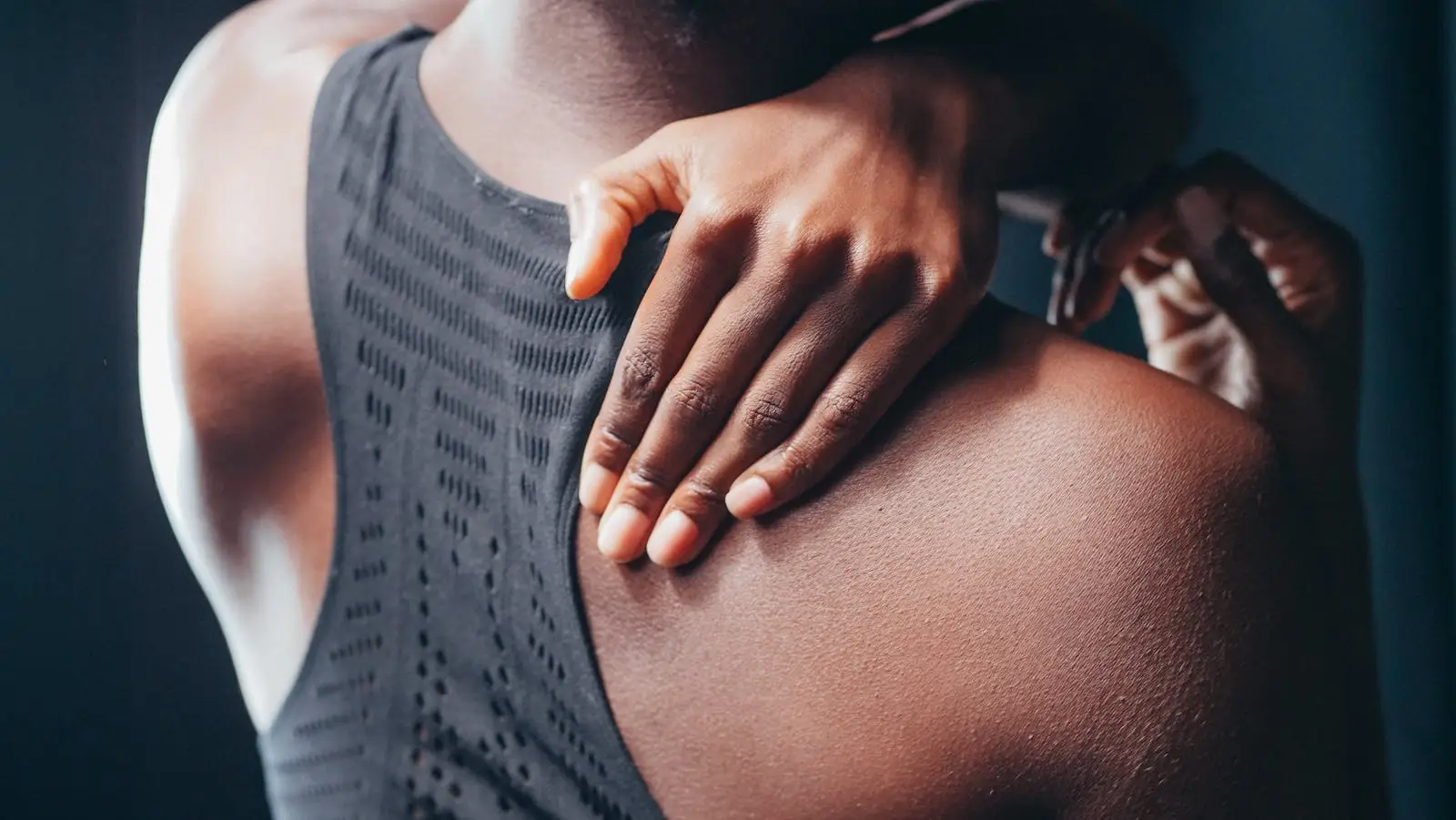
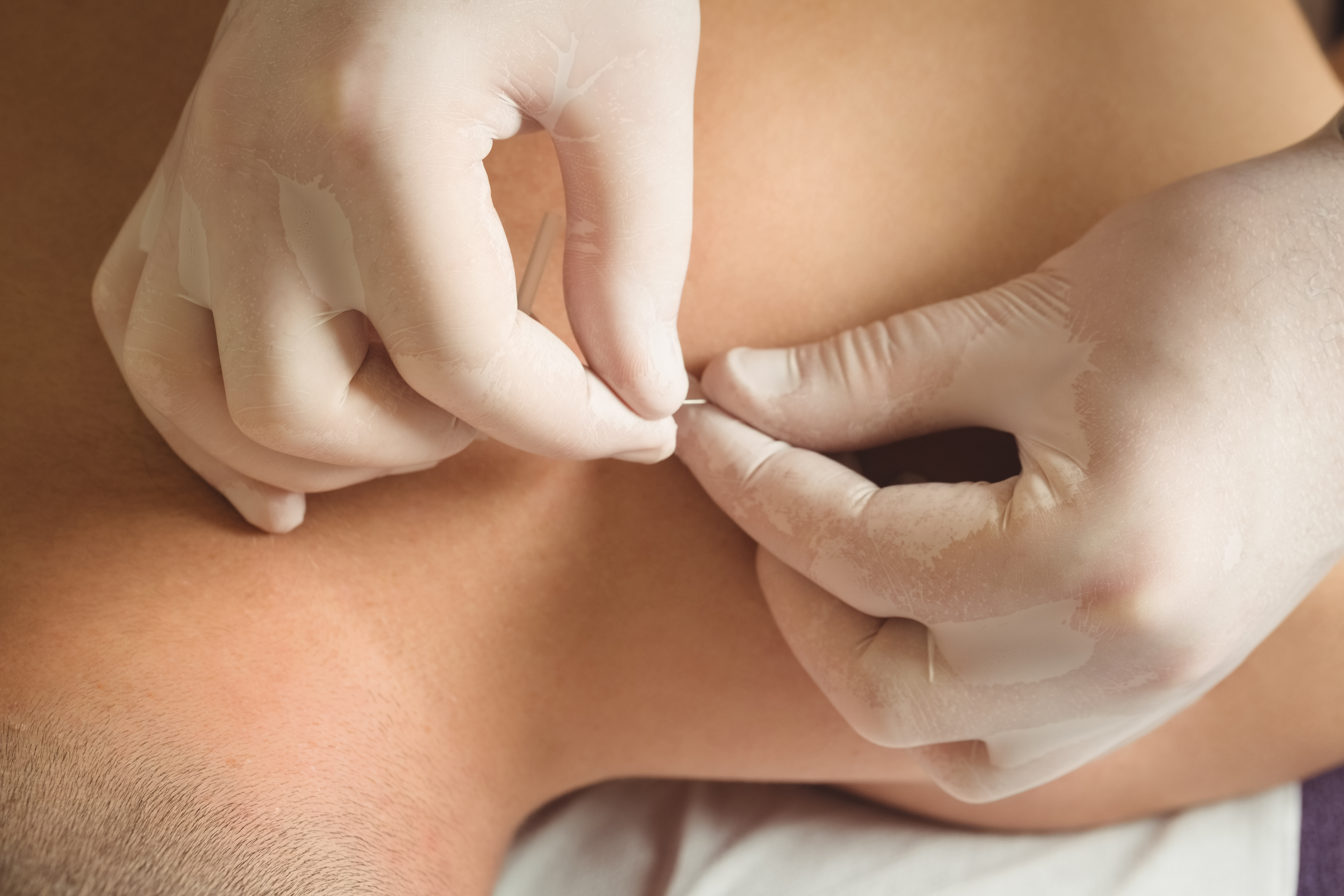
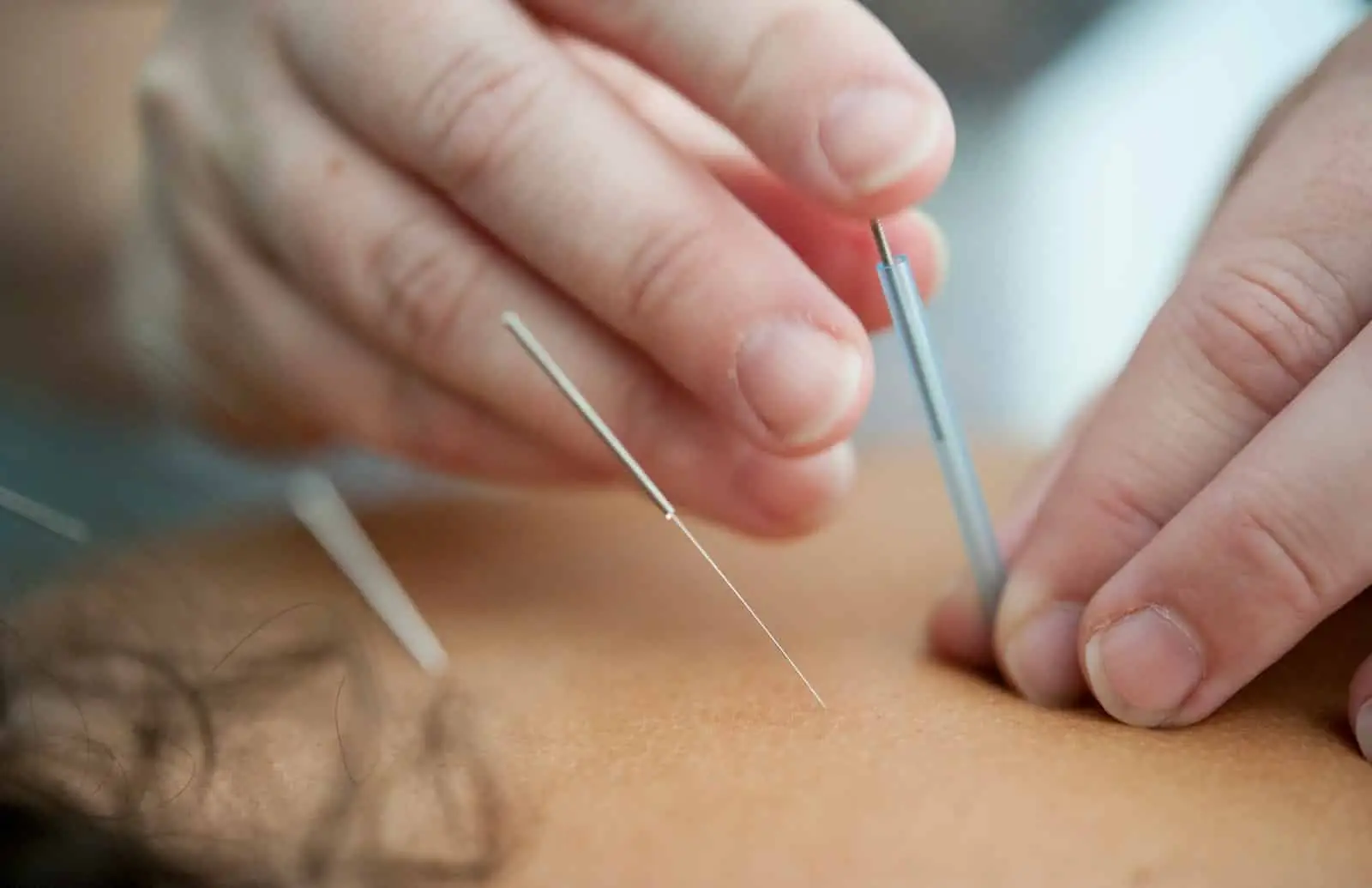
Persistent muscle pain can be a frustrating barrier, limiting everything from daily activities to athletic pursuits and diminishing your overall quality of life. For those seeking a modern and effective treatment for musculoskeletal pain, dry needling offers a targeted approach to find relief. This therapeutic technique is designed to address the source of discomfort directly by intervening at a physiological level to restore function and improve well-being.
What is Dry Needling and How Does It Actually Treat Pain?
Dry needling is a therapeutic technique that involves inserting a thin, sterile filiform needle into the skin to target myofascial trigger points (MTrPs) within the muscle tissue. A trigger point is a hyperirritable spot in a taut band of skeletal muscle that develops from an “energy crisis.” In this state, sustained muscle contraction restricts local blood flow, leading to oxygen deprivation (hypoxia) and a drop in pH. This acidic environment sensitizes nerve endings and contributes to the persistent pain cycle.³
So, how does inserting a needle reverse this? The treatment works through several complex, interrelated mechanisms:
Mechanical Disruption and the Local Twitch Response: The primary goal is often to elicit a “local twitch response” (LTR), which is an involuntary spinal cord reflex that causes the contracted muscle fibers to twitch and then relax. This LTR helps to mechanically disrupt the dysfunctional tissue of the trigger point. More importantly, it helps normalize the chemical environment by flushing out pain-provoking substances like substance P and calcitonin gene-related peptide (CGRP) and restoring local blood flow.³,⁴
Neurophysiological Effects: The needle stimulates sensory nerve fibers (A-delta fibers) in the muscle. This stimulation sends signals to the spinal cord and brain that can activate descending pain-inhibitory pathways. This process can trigger the release of the body’s own pain-relieving chemicals, such as endorphins and enkephalins, leading to both local and systemic pain relief (analgesia).⁴
By targeting these specific points, a dry needling session deactivates the source of pain, resets the neuromuscular junction, and helps restore the muscle to its normal, resting state.
What Conditions Can Dry Needling Treat?
Because dry needling directly addresses the physiological and neurological sources of dysfunction in muscle tissue, it is a versatile and effective treatment for a wide range of musculoskeletal conditions. It is frequently used as a key component of pain management for both acute and chronic pain conditions. Some of the common issues that show significant improvement with dry needling treatment include:
Neck pain, back pain, and hip pain
Shoulder pain, including rotator cuff issues
Tension-type headaches and jaw pain (TMJ dysfunction)
Knee pain and other forms of joint pain related to muscular imbalance
Sports injuries, such as muscle strains
Repetitive stress injuries, like Carpal Tunnel Syndrome
Chronic conditions, such as myofascial pain syndrome and fibromyalgia
Systematic reviews of clinical trials have consistently found that dry needling is more effective than sham or no treatment for reducing musculoskeletal pain and improving function.¹,²
What are the Benefits of a Dry Needling Session?
The primary benefit of dry needling is pain reduction, with many patients reporting immediate relief or a significant improvement in their symptoms after just one or two treatment sessions. Beyond pain relief, the benefits of dry needling include:
Improved Range of Motion: By releasing muscle tension and deactivating trigger points, dry needling can restore flexibility and movement.
Faster Recovery: For athletes and active individuals, it can speed up the recovery process from sports injuries and intense physical activity.
Targeted Treatment: It allows a practitioner to reach deep, stubborn muscle trigger points that may be difficult to address with manual therapy alone.
Enhanced Healing: The technique helps to increase blood flow and oxygenation to the treated areas, which is essential for the body’s natural healing process.³
Ultimately, these benefits contribute to an improved quality of life, allowing individuals to return to their daily activities with less pain and better function.
Is Dry Needling Painful and Are There Side Effects?
The question “does dry needling hurt?” is a common one. The insertion of the fine needles usually causes minimal discomfort, often described as a small prick sensation. When the needle stimulates a trigger point and elicits a local twitch response, you may feel a brief, deep ache or a muscle cramp. While this can be momentarily uncomfortable, it is a therapeutic response and a sign that the treatment is working.
After a session, it is common to experience some muscle soreness in the treated areas, similar to the feeling after an intense workout. This is a normal and expected side effect that typically lasts for 24 to 48 hours. Minor bruising may also occur. When performed by a highly trained professional using sterile needles, dry needling is a safe technique with a very low risk of complications.¹ However, you should always discuss your full medical history with your provider, especially if you are on blood thinners or have a compromised immune system.
How is Dry Needling Different from Acupuncture?
While dry needling uses the same type of thin, filiform needles as acupuncture, the underlying principles and goals are different. Traditional Chinese Medicine (TCM) acupuncture is based on a system of meridians, or pathways, through which the body’s life force, or “Qi,” flows. An acupuncturist inserts needles into specific points along these meridians to rebalance this flow of energy and treat a wide variety of systemic conditions.
Dry needling, in contrast, is based on Western neuroanatomy and modern scientific principles. Dry needling targets are chosen based on the practitioner’s palpatory findings and understanding of muscle function, with the goal of releasing specific myofascial trigger points to resolve musculoskeletal pain. It is a highly focused treatment modality for neuromuscular dysfunction.
Take the Next Step Towards a Pain-Free Life
Understanding the mechanics and benefits of dry needling is the first step toward finding a solution for your muscle pain. On the Upper West Side of NYC, Dr. Jordan Barber, DAOM, provides expert dry needling therapy grounded in a deep understanding of musculoskeletal health. He is dedicated to creating a larger treatment plan tailored to your specific needs to help you achieve lasting pain relief and get back to the activities you love.
If you are struggling with muscle pain and believe dry needling could be the effective technique you’ve been searching for, contact our clinic to schedule a consultation.
Gattie E, Cleland JA, Snodgrass S. The Effectiveness of Trigger Point Dry Needling for Musculoskeletal Conditions by Physical Therapists: A Systematic Review and Meta-analysis. J Orthop Sports Phys Ther. 2017;47(3):133-149.
Kietrys DM, Palombaro KM, Azzaretto E, et al. Effectiveness of Dry Needling for Upper-Quarter Myofascial Pain: A Systematic Review and Meta-analysis. J Orthop Sports Phys Ther. 2013;43(9):620-634.
Dommerholt J, Fernández-de-las-Peñas C. Trigger Point Dry Needling: An Evidence and Clinical-Based Approach. 2nd ed. Elsevier; 2018.
Butts R, Dunning J, Perreault T, Mettille J, Mourad F. Peripheral and Spinal Mechanisms of Pain and Dry Needling Mediated Analgesia: A Clinical Resource Guide for Health Care Professionals. Int J Phys Med Rehabil. 2016;4(2).
Are you tired of living with chronic pain? Dry needling, a scientifically backed form of trigger point therapy, may offer the relief you’ve been seeking. Studies show that dry needling…
Acupuncture, a key component of Traditional Chinese Medicine (TCM), has been practiced for centuries to treat pain, inflammation, and various health conditions. This ancient practice continues to gain scientific validation.…
Perimenopause marks a significant transition in a woman’s reproductive life, often accompanied by challenging symptoms such as hot flashes, mood swings, and irregular menstrual cycles. While hormone therapy is a…
118 W. 72nd, Rear Lobby, Upper West Side, NY 10023 Evidence-based acupuncture and dry needling on the Upper West Side, NYC. From chronic pain, headaches, and pelvic floor dysfunction, Dr. Jordan Barber integrates the highest level of training with compassionate care to help you thrive. Disclaimer: This site does not provide medical advice. Always consult a qualified healthcare professional before making changes to your health. Read our full disclaimer
Quick Links
Got Questions?
Limited spots available each week book now to reserve yours