Endometriosis and Myofascial Pain: How Dry Needling and Acupuncture Can Help
Endometriosis can be a life-altering condition. It happens when tissue similar to the lining of the uterus starts growing outside the uterus—on the ovaries, bladder, intestines, or elsewhere in the pelvis. For many people, this leads to pain that doesn’t go away, especially during periods, sex, or bowel movements. But what often gets missed is this: even after surgery or hormone treatment, pain can continue—not because of the endometrial tissue itself, but because of how the muscles, nerves, and connective tissue in the pelvis have been affected.
If you’re still hurting after treatment for endometriosis, you’re not alone. Your pain may not be “in your head” or “just hormones”—it may be coming from tight muscles and irritated nerves in your pelvic floor. In my clinic, we use a combination of dry needling and acupuncture to treat this kind of muscular and nerve-related pain, often with excellent results.
Why Does Pain Continue After Treating Endometriosis?
Endometriosis causes inflammation—that’s your body’s way of trying to heal itself, but it can create scarring and tension in the pelvis. Over time, the muscles deep in the pelvic floor—like the ones that support your uterus, bladder, and bowels—can tighten up and develop what’s called trigger points. These are sensitive, painful spots in muscle tissue that can cause pain in other areas too.
Studies show that:
Every woman in one large study who had chronic pelvic pain from endometriosis also had tight pelvic muscles and trigger points.¹
Many of them had pain in seven or more pelvic or abdominal muscles.
This kind of chronic muscle tension can make your nervous system more sensitive, which means your brain may react more strongly to pain signals—a process called central sensitization.²
Even after the endometriosis is treated, the pain can continue because the body has gotten stuck in a pain cycle.
Fascia: The Body’s “Soft Skeleton”
Another important piece of the puzzle is the fascia—a web-like layer of tissue that surrounds your muscles, nerves, and organs. When there’s inflammation (like from endometriosis), the fascia can become tight and sticky. This creates pressure on nearby nerves and reduces healthy movement in the pelvis.
This can cause:
A pulling or tight sensation deep in the abdomen or pelvic floor
Pain that radiates to the lower back, hips, or legs
Nerve irritation—like tingling, burning, or sharp pain³
That’s why treating muscle and fascia—not just the reproductive organs—is a key part of healing.
How Dry Needling Can Help
Dry needling is a treatment that uses very thin, sterile needles inserted into tight or painful muscles (trigger points). It’s different from acupuncture in that it specifically targets muscles and fascia to help them relax and function better.
Here’s what dry needling can do:
Release tight muscles
Reduce both local and radiating pain
Improve blood flow and healing
Help “reset” the way your brain processes pain signals⁴
One recent study showed that dry needling reduced pain and nervous system sensitivity in women with chronic pelvic pain—with benefits lasting up to three months.⁴ Another study showed it helped improve urinary symptoms and pelvic muscle tone.⁵
Acupuncture: Whole-Body Balance and Relief
While dry needling works on muscles directly, acupuncture takes a whole-body approach. It uses specific points on the body to help restore balance in your nervous system, reduce inflammation, and ease stress.
Research has shown acupuncture can:
Lower pain levels and period cramps
Reduce stress and anxiety
Improve sleep and energy
Lower inflammation markers and shrink endometriosis nodules⁷⁸
Together, dry needling and acupuncture make a powerful pair—addressing both the mechanical side (tight muscles, pressure on nerves) and the nervous system side (how your brain interprets pain and stress).
A Personalized, Respectful Approach
In my practice, you’ll never be told your pain is “normal” or “in your head.” We listen carefully, look at the whole picture, and build a care plan just for you. Treatment may include:
Dry needling to release trigger points in the pelvic floor, hips, or lower belly
Acupuncture to regulate your nervous system and reduce pain
Breathwork and movement strategies to support long-term recovery
Referrals or collaboration with your gynecologist, PT, or other providers when needed
All care is external (no internal needling) and trauma-informed. We work together to find what feels safe and effective for your body.
Ready to Feel Better?
If you’ve had surgery or hormone treatment for endometriosis but are still in pain, there is more that can be done. Dry needling and acupuncture may help reduce pain, relax tight muscles, and support your body’s healing—without medications or more invasive procedures.
Schedule a consultation today and take the first step toward a treatment plan that finally sees and treats the whole you.
Stratton P, Khachikyan I, Sinaii N, et al. Widespread myofascial dysfunction and sensitization in women with endometriosis-associated chronic pelvic pain. Eur J Pain. 2021;25(2):384–397. PMC
Aredo JV, Heyrana KJ, Karp BI, et al. Relating chronic pelvic pain and endometriosis to signs of sensitization and myofascial pain. Semin Reprod Med. 2017;35(1):88–97.
Khoshbin M, Ghamkhar L, Arab AM, et al. Effect of dry needling on pain and central sensitization in women with chronic pelvic pain: A randomized controlled trial. Pain Pract. 2024.
Rahbarian M, Rezasoltani Z, Dadarkhah A, et al. Dry needling in myofascial tracks in non-relaxing pelvic floor dysfunction: A case report.J Bodyw Mov Ther. 2018;22(3):574–578.
Chen Y, Li X, Zhou X, et al. Acupuncture for clinical improvement of endometriosis-related pain: A systematic review and meta-analysis.PLoS One. 2024;19(3):e0298765.
That persistent ache between your shoulder blades, the sharp shoulder pain under your scapula, or the burning muscle tension in your upper back – these are all-too-familiar complaints for many…
If you live in New York City and you’re looking for a safe, natural way to manage stress and anxiety, Chinese herbal teas may be the missing piece. As a…
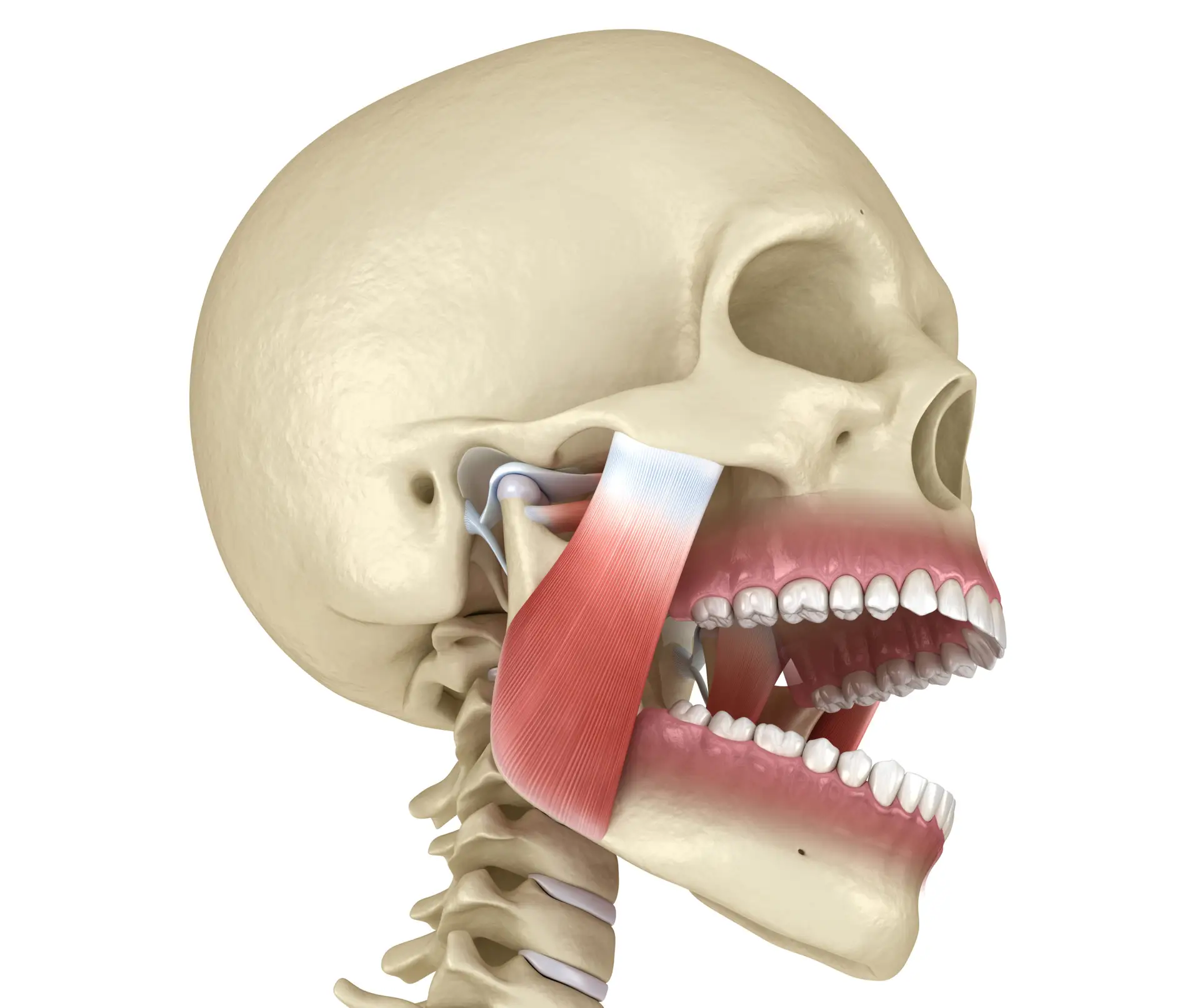
Jaw muscle pain, especially in the masseter, can make jaw movement, chewing, and even smiling difficult. This powerful skeletal muscle plays a crucial role in elevating the lower jaw and…
118 W. 72nd, Rear Lobby, Upper West Side, NY 10023 Evidence-based acupuncture and dry needling on the Upper West Side, NYC. From chronic pain, headaches, and pelvic floor dysfunction, Dr. Jordan Barber integrates the highest level of training with compassionate care to help you thrive. Disclaimer: This site does not provide medical advice. Always consult a qualified healthcare professional before making changes to your health. Read our full disclaimer
Quick Links
Got Questions?
Limited spots available each week book now to reserve yours