Levator Ani Syndrome: Understanding Pelvic Floor Dysfunction and Anal Pain
Levator Ani Syndrome (LAS) is a chronic pelvic pain disorder defined by deep, aching anal discomfort or rectal pressure that often defies conventional diagnosis. While symptoms may not appear on imaging or lab tests, the underlying causes are frequently musculoskeletal—particularly involving pelvic floor dysfunction and fascial restriction.
If you’ve been diagnosed with LAS or are experiencing persistent anal pain without a clear medical explanation, this article explores how muscular, fascial, and neurological factors contribute to your symptoms—and how integrative therapies like dry needling and acupuncture can help.
What Is Levator Ani Syndrome?
LAS is classified as a form of chronic proctalgia, meaning recurring rectal or perineal pain without an inflammatory or structural cause. It typically stems from spasm or hypertonicity of the levator ani muscle group, especially the pubococcygeus and iliococcygeus muscles.¹
Common symptoms include:
Deep, dull aching pain in the rectum or anus
A sensation of pressure, fullness, or spasm
Pain worsened by sitting, bowel movements, or prolonged postures
Referred pain to the tailbone, low back, or perineum
While the discomfort may be intermittent at first, many patients eventually experience chronic, daily symptoms that disrupt work, sleep, and quality of life.
Fascia and the Pelvic Floor Connection
In addition to muscle spasm, fascial tension plays a central role in LAS. The connective tissue (fascia) surrounding pelvic floor muscles, nerves, and organs can become densified or restricted due to trauma, postural strain, or inflammation. This leads to a mechanical pull on surrounding structures, contributing to pain persistence and autonomic nerve sensitization.
Restrictions may not be limited to the levator ani—they can involve interconnected regions like the hips, abdomen, or thighs, reinforcing a broader pattern of tension and discomfort.
Pelvic Floor Dysfunction and Anal Pain
LAS often presents with pelvic floor dysfunction: a state where muscles are hypertonic, uncoordinated, or fail to relax effectively.² This can cause incomplete bowel emptying, painful defecation, urinary frequency, or sexual pain.
The inability of these muscles to release fully can irritate nearby nerves and blood vessels, making even passive activities like sitting feel painful. Addressing this dysfunction requires more than symptom management—it calls for direct intervention in the muscle and fascial systems.
How Dry Needling and Acupuncture Help
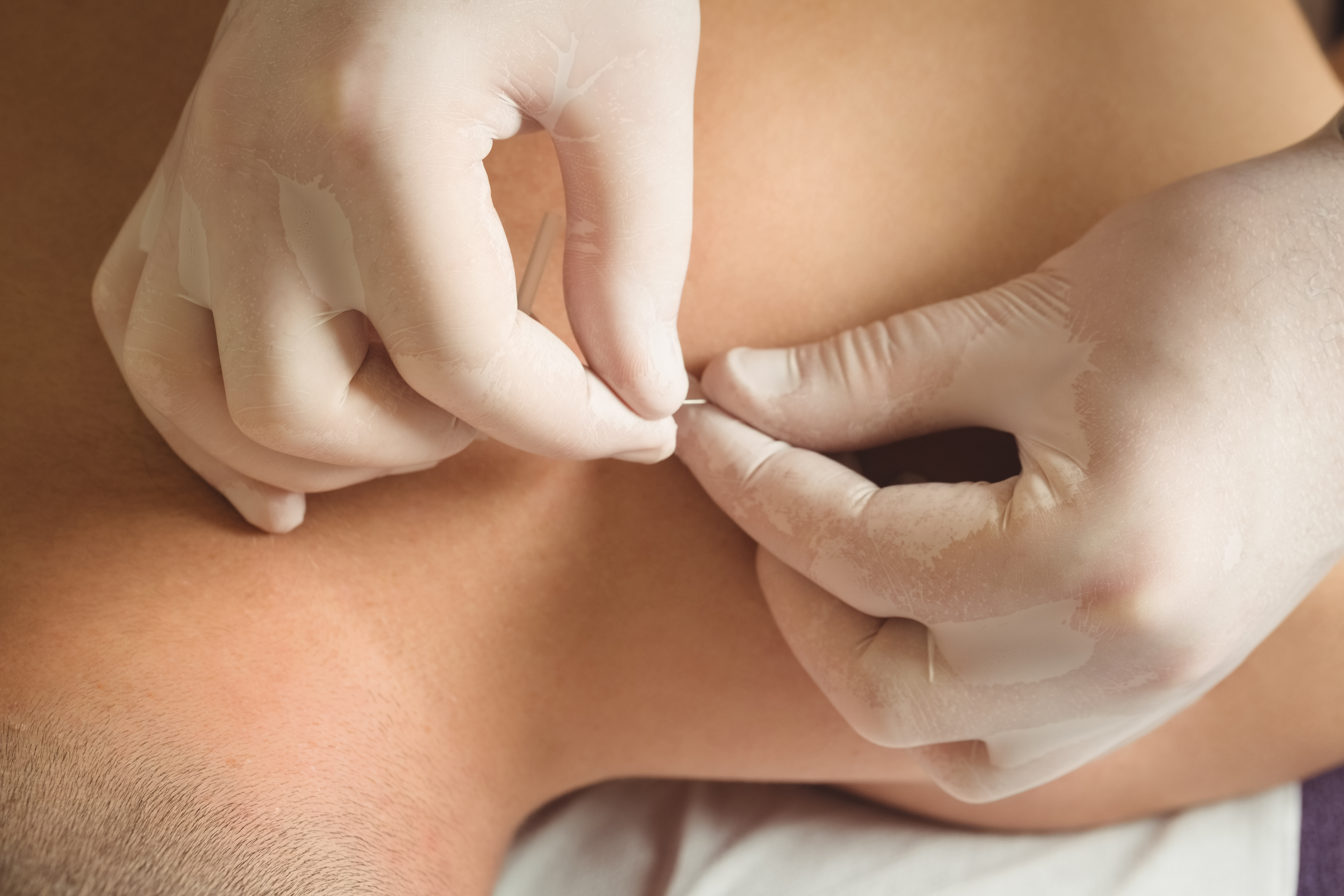
Dry needling targets trigger points and tight bands within pelvic muscles. A fine, sterile needle is inserted into the levator ani and surrounding musculature to:
Release chronic tension
Normalize pelvic muscle tone
Improve blood flow and reduce inflammation
Decrease nerve irritation and referred pain³⁵
Because the levator ani is deep and hard to access externally, dry needling offers a minimally invasive way to reach and treat the root of the problem.
Acupuncture complements dry needling by regulating the autonomic nervous system, supporting blood flow, and reducing central pain amplification. In patients with refractory LAS, acupuncture has demonstrated rapid pain reduction—even when conventional therapies fail.⁴
Evidence-Based, Whole-Person Care
Multiple studies support a multimodal approach to LAS, emphasizing neuromuscular rehabilitation and body-based therapies:
Translumbosacral neuromodulation has been shown to reduce pain and nerve dysfunction in LAS, underscoring the neuromuscular basis of the condition.¹
Myofascial pain and trigger points are common findings in LAS, and pelvic floor rehabilitation yields high success rates in affected patients.²
Biofeedback therapy, targeting pelvic floor muscle relaxation, was shown to be more effective than electrostimulation or massage for LAS.³
Acupuncture, especially when combined with herbal and integrative techniques, may benefit those with chronic, treatment-resistant LAS.⁴
Dry needling, though emerging in LAS literature, has proven benefits in pelvic floor tension syndromes and supports a mechanical treatment rationale.⁵
My Clinical Approach
In my clinic, LAS is never reduced to a local issue. We assess your posture, breath mechanics, pelvic alignment, and nervous system regulation to build a comprehensive treatment plan that may include:
Dry needling of levator ani, gluteals, obturator internus, and hip stabilizers
External fascial release and internal work (when appropriate and referred)
Acupuncture for pain modulation and autonomic balance
Breath retraining and postural reeducation
Collaboration with gastroenterologists, pelvic PTs, or neurologists as needed
Your care is always personalized, informed by clinical findings, and designed to support long-term recovery—not just symptom relief.
Schedule Your Appointment
If you’re experiencing chronic anal pain or have been diagnosed with Levator Ani Syndrome, targeted pelvic floor care could be the key to resolving your discomfort. Dry needling and acupuncture offer safe, evidence-based ways to relieve pain, rebalance muscle tone, and calm the nervous system.
Book your consultation today and take the first step toward pain relief.
Siddiqui A, Bharucha AE, Fletcher JG, et al. Pathoetiology of Levator Ani Syndrome and its treatment with Translumbosacral Neuromodulation Therapy. World J Gastroenterol. 2023;29(25):3895–3909. PMC
Rao SS, Patcharatrakul T. Chronic proctalgia and chronic pelvic pain syndromes. World J Gastroenterol. 2011;17(40):4448–4454. PMC
Chiarioni G, Nardo A, Vantini I, Whitehead WE. Biofeedback is superior to electrogalvanic stimulation and massage for treatment of levator ani syndrome: A randomized controlled trial. Dis Colon Rectum. 2010;53(4):318–325. PMC
Kim HJ, Kim JH, Kim JH. Case Report for a Refractory Levator Ani Syndrome Treated with Acupuncture and Herbal Medicine. J Korean Obstet Gynecol. 2017;30(2):219–225. Link
Rahbarian M, Rezasoltani Z, Dadarkhah A, et al. Dry Needling in Myofascial Tracks in Non-Relaxing Pelvic Floor Dysfunction: A Case Report. J Bodyw Mov Ther. 2018;22(3):574–578. PubMed
Irritable bowel syndrome (IBS) is a prevalent gastrointestinal disorder, affecting an estimated 10-15% of the global population (Oka et al., 2020). It manifests through a collection of symptoms including bloating,…
Are you tired of living with chronic pain? Dry needling, a scientifically backed form of trigger point therapy, may offer the relief you’ve been seeking. Studies show that dry needling…
The connection between posture and vision is often overlooked, yet it carries significant implications for overall health and well-being. Emerging research suggests that how we sit, stand, and move may…
118 W. 72nd, Rear Lobby, Upper West Side, NY 10023 Evidence-based acupuncture and dry needling on the Upper West Side, NYC. From chronic pain, headaches, and pelvic floor dysfunction, Dr. Jordan Barber integrates the highest level of training with compassionate care to help you thrive. Disclaimer: This site does not provide medical advice. Always consult a qualified healthcare professional before making changes to your health. Read our full disclaimer
Quick Links
Got Questions?
Limited spots available each week book now to reserve yours