Tip of the Penis Pain: A Pelvic Floor Perspective on a Common but Overlooked Problem
Tip of the penis pain—whether it’s sharp, burning, aching, or persistent—can be a distressing and confusing symptom. While it’s essential to rule out medical causes like infection, urethral stricture, or prostatitis, for some individuals, especially when conventional tests are inconclusive, the source of the pain may lie outside the urinary tract itself—in the muscles and fascia of the pelvic floor.
If you’ve already been diagnosed with a pelvic floor dysfunction, this article is for you. I want to help you understand how trigger point referral patterns, fascial tension, and neuromuscular dysfunction can all contribute to localized pain in areas far from the actual muscular trigger—such as the tip of the penis.
When the Pain Isn’t Where the Problem Is
Many people are surprised to learn that the body’s muscular system can create pain that feels like it’s coming from a completely different area. This is especially true of the pelvic floor, where myofascial trigger points (tight, irritable spots in muscle or connective tissue) often refer pain in complex and confusing patterns.
Trigger point pain referral to the genitals, including the penis, has been documented in the literature, particularly involving the bulbospongiosus, ischiocavernosus, levator ani, obturator internus, and even abdominal or adductor muscles. These referral patterns are well known to clinicians treating chronic pelvic and perineal pain.¹
Fascia and the Pelvic Floor
Beyond individual muscles, the fascia—the body’s continuous network of connective tissue—plays a powerful role in transmitting tension and restriction. Restrictions in the deep pelvic fascia, perineum, or even lower abdominal wall can create pulling or pressure sensations that manifest as pain in the penis or perineal region.2
Chronic strain patterns and previous trauma, including infection or surgeries, can lead to fascial densification, affecting vascular and nerve structures. This may amplify sensitivity and create persistent discomfort that eludes conventional diagnosis.
Research confirms the role of fascial structures in chronic pelvic pain syndromes.²
Dry Needling for Pelvic Pain
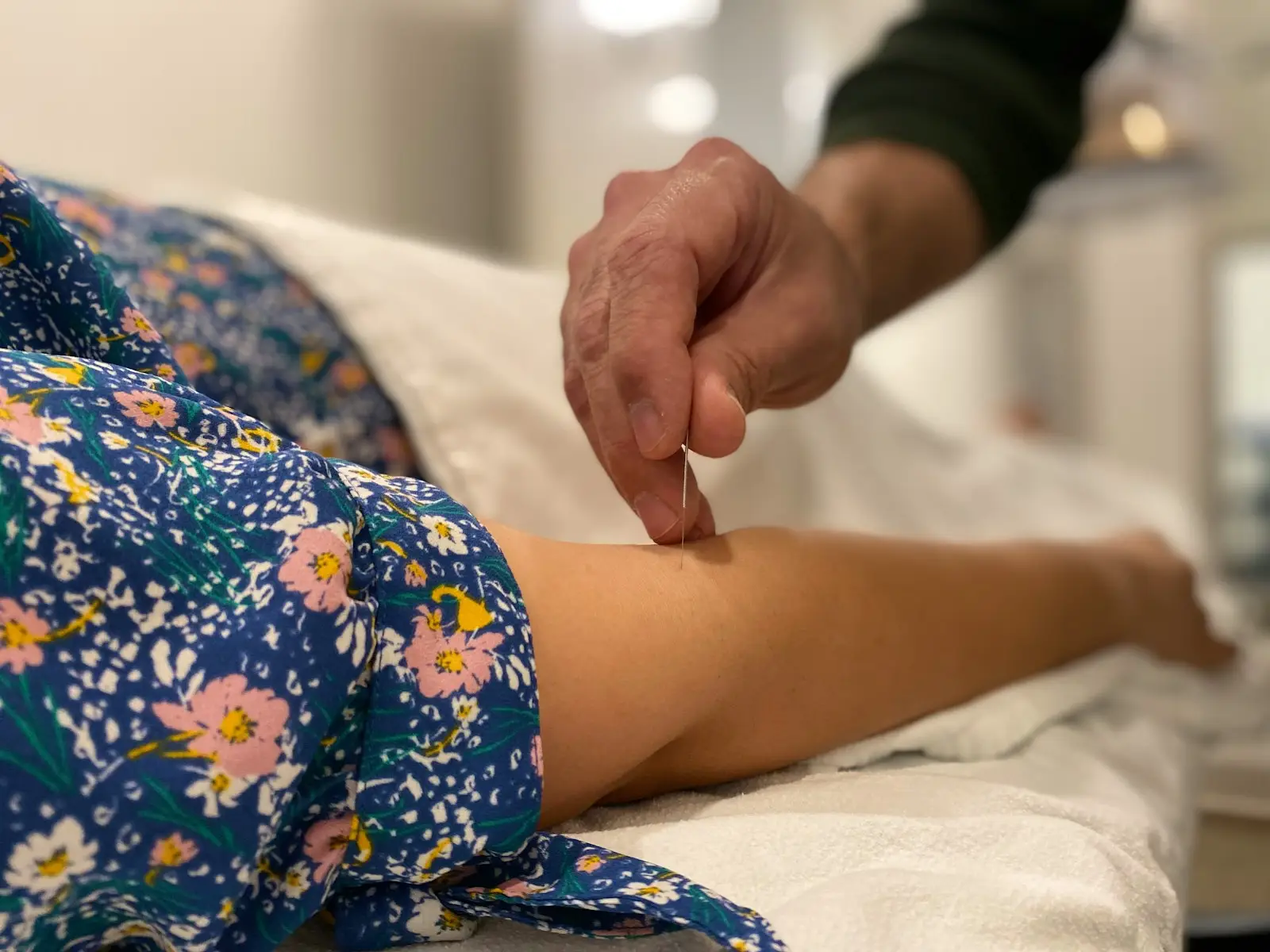
As a licensed acupuncturist and pelvic floor dry needling specialist, I use a precise, evidence-informed approach to deactivate trigger points, release fascial adhesions, and restore normal neuromuscular function. Dry needling involves inserting a thin, sterile needle directly into dysfunctional muscles and fascia, stimulating a local twitch response and improving blood flow, reducing neurogenic inflammation, and interrupting pain referral patterns.
Dry needling has been shown to reduce pain intensity and improve quality of life in patients with chronic pelvic pain.³
For pelvic floor patients diagnosed with musculoskeletal-based penile tip pain, dry needling can:
Deactivate trigger points in deep pelvic or hip muscles
Relieve tension in surrounding fascia that may be tethering or compressing nerves
Improve circulation and reduce inflammatory signaling around referred pain areas
Restore normal motor tone, addressing both hypertonicity and coordination issues
A Whole-Person, Targeted Approach
In my clinic, dry needling is integrated into a broader plan of care that includes:
Pelvic floor-specific assessment
Education on postural patterns, breath mechanics, and movement retraining
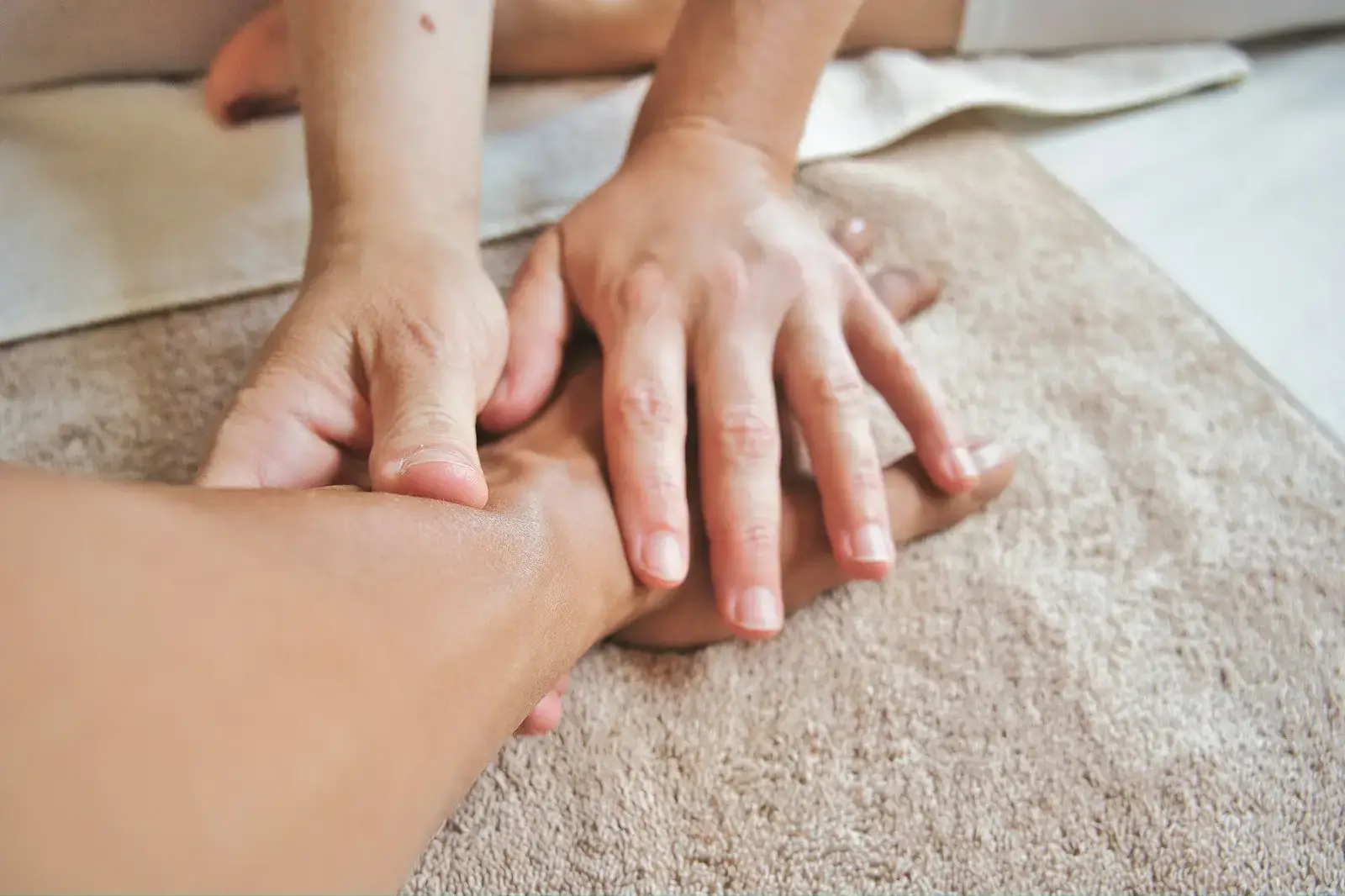
Manual therapy for external and internal pelvic and hip structures (if appropriate and referred)
Referral collaboration with pelvic floor physical therapists, urologists, and other providers when needed
This approach ensures that every aspect of your pelvic pain is explored—not just where it hurts, but where it may actually start.
Schedule Your Appointment
If you’ve been diagnosed with pelvic floor dysfunction and are experiencing tip of the penis pain without clear infectious or structural causes, there may be a muscle-based solution. You don’t have to live with unexplained discomfort or bounce between providers.
Schedule a pelvic floor dry needling evaluation today and explore how a targeted, hands-on approach can offer relief and clarity.
de Vries AM, de Jong J, Elzevier HW, Pelger RCM. Pelvic physical therapy for male sexual disorders: a narrative review. Int J Impot Res. 2025;37:1-12. doi:10.1038/s41443-025-01034-5. https://www.nature.com/articles/s41443-025-01034-5
If you suffer from migraines or headaches, you know the toll they take—throbbing pain that stops you in your tracks, nausea that makes it hard to function, or sensitivity to…
When you’re dealing with persistent muscle pain, tightness, or stubborn knots, finding the right treatment is key to relief. Two popular and effective options are dry needling and massage therapy.…
Acupuncture and dry needling are two popular medical treatments that involve the insertion of thin needles into the body. While they may appear similar at first glance, they are distinct…
118 W. 72nd, Rear Lobby, Upper West Side, NY 10023 Evidence-based acupuncture and dry needling on the Upper West Side, NYC. From chronic pain, headaches, and pelvic floor dysfunction, Dr. Jordan Barber integrates the highest level of training with compassionate care to help you thrive. Disclaimer: This site does not provide medical advice. Always consult a qualified healthcare professional before making changes to your health. Read our full disclaimer
Quick Links
Got Questions?
Limited spots available each week book now to reserve yours