How to Reduce Stress and Anxiety Naturally with Chinese Herbal Teas in NYC
If you live in New York City and you’re looking for a safe, natural way to manage stress and anxiety, Chinese herbal teas may be the missing piece. As a licensed herbalist and Doctor of Chinese Medicine practicing here in New York City, I’ve helped hundreds of patients calm their nervous system using traditional herbal strategies—without prescriptions or side effects.
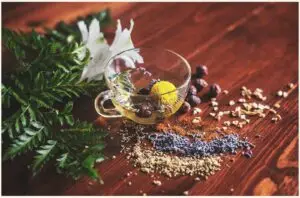
Not all herbs taste great, but these five? They make delicious, gentle teas that are ideal for everyday stress support. They’re time-tested, accessible, and surprisingly pleasant to drink.
Important: Always consult a licensed practitioner before adding herbs to your routine—especially if you’re on medication or pregnant.
A Note on How Herbalists Think
If you’re new to Chinese Medicine, here’s how we describe and select herbs:
Flavor indicates how an herb interacts with the body: sweet tends to nourish, bitter clears excess, sour stabilizes.
Nature refers to temperature: warm herbs stimulate; cooling herbs calm or clear.
Channels refer to acupuncture meridians and organ systems the herb is believed to affect—like calming the “Heart” (which governs mental/emotional balance) or soothing “Liver Qi” (linked to stress and tension).
Functions are how we use the herbs—based on thousands of years of clinical observation.
As a local herbalist in New York City, my goal is to explain these clearly and apply them practically—no fluff, no mysticism, just useful tools that work.
1. He Huan Hua (Mimosa Flower)
Flavor: Sweet
Nature: Neutral
Channels: Liver, Heart
Traditional Function:
Eases emotional tension and irritability
Lifts mood and promotes emotional resilience
Helps “unstick” mood patterns caused by stress
Taste: Floral, mellow Preparation: Steep 5–10 minutes New York City Tip: Ask your herbalist to blend this with rosebuds (Mei Gui Hua) for added Qi movement—great for winter blues or emotional heaviness.
2. Ju Hua (Chrysanthemum Flower)
Flavor: Sweet, slightly bitter
Nature: Cooling
Channels: Liver, Lung
Traditional Function:
Reduces heat symptoms like red eyes or irritability
Calms tension headaches and emotional agitation
Clears “Liver Fire” (an old-school way of describing agitation that’s more than just stress)
Taste: Light and refreshing Preparation: Steep 5–10 minutes New York City Tip: Great for folks who work on screens all day and feel fried by 5pm—pair with goji berries (Gou Qi Zi) for eye and mood support.
3. Suan Zao Ren (Sour Jujube Seed)
Flavor: Sweet, slightly sour
Nature: Neutral
Channels: Heart, Liver, Gallbladder
Traditional Function:
Supports restful sleep
Calms night-time restlessness and anxiety
Nourishes what TCM calls “Heart Yin,” associated with emotional and neurological stability
Taste: Nutty and earthy Preparation: Simmer 15–20 minutes New York City Tip: Ideal for insomniacs or night owls. Ask a local herbalist to build a sleep formula around this with herbs like Bai Zi Ren.
4. Gan Cao (Licorice Root)
Flavor: Sweet
Nature: Neutral or slightly warm (toasted)
Channels: Spleen, Stomach, Heart, Lung
Traditional Function:
Harmonizes digestion and stress response
Soothes tension in the muscles and gut
Supports overall resilience (“Spleen Qi” = foundational energy in TCM)
Taste: Naturally sweet Preparation: Simmer 10 minutes Caution: Not suitable in large amounts for those with high blood pressure New York City Tip: This is often the base of an herbal tea blend. Come by our clinic and we’ll help you find the right combination for your body type and stress profile.
5. Wu Wei Zi (Schisandra Berry)
Flavor: All five flavors (sour, sweet, salty, bitter, pungent)
Nature: Warm
Channels: Heart, Kidney, Lung
Traditional Function:
Calms the mind and stabilizes mood swings
Supports adrenal function and energy regulation
Helps the body hold onto its resources—great for burnout recovery
Taste: Bold and complex Preparation: Simmer or steep 10–15 minutes New York City Tip: For adaptogenic support, pair it with goji berries or reishi. We carry both in raw and prepared forms at our clinic in New York City.
How to Start
Use about 3–6g of dried herb per cup
Test each one alone before blending
Avoid during pregnancy unless directed by your practitioner
Consider a custom tea blend: He Huan Hua + Suan Zao Ren + Gan Cao makes an excellent calm-the-nerves combo
Work With a Licensed Herbalist in New York City
I offer in-person consultations in New York City as well as virtual appointments across the United States. Whether you’re dealing with stress, insomnia, burnout, or just want to feel more grounded, we can build a customized herbal plan that actually fits your life.
Shoulder pain is a prevalent musculoskeletal complaint affecting individuals across all age groups, from youngsters leading fast-paced modern lives to older adults dealing with age-related conditions. Factors such as lack…
Perimenopause marks a significant transition in a woman’s reproductive life, often accompanied by challenging symptoms such as hot flashes, mood swings, and irregular menstrual cycles. While hormone therapy is a…
For runners and athletes, injuries like shin splints and plantar fasciitis can be debilitating. These common conditions cause pain, limit mobility, and significantly hinder performance. While traditional treatments such as…
118 W. 72nd, Rear Lobby, Upper West Side, NY 10023 Evidence-based acupuncture and dry needling on the Upper West Side, NYC. From chronic pain, headaches, and pelvic floor dysfunction, Dr. Jordan Barber integrates the highest level of training with compassionate care to help you thrive. Disclaimer: This site does not provide medical advice. Always consult a qualified healthcare professional before making changes to your health. Read our full disclaimer
Quick Links
Got Questions?
Limited spots available each week book now to reserve yours