Find the Best Acupuncturist in NYC: Your Comprehensive Guide
Table of Contents
Acupuncture, a pillar of traditional Chinese medicine, is a holistic health practice that has gained significant traction in the Western world and the United States in recent years. It’s praised for its ability to promote natural healing and improve overall health. In New York City, the demand for skilled acupuncturists is high, as more people seek out alternative therapies. But how do you go about finding the best acupuncturist in NYC in such a bustling metropolis? This guide is here to help you find the right acupuncturist for you. It will provide you with the necessary information to make an informed decision.
We’ll delve into the world of acupuncture, exploring how acupuncture works, its many benefits of acupuncture, and what to look for in a licensed practitioner. We’ll also highlight some of the top-rated acupuncturists in NYC. By the end of this article, you’ll be equipped with the knowledge to find the best acupuncture clinic for your needs. Let’s embark on this journey to better health and wellness together.
The Importance of Credentials and Licensing
Selecting a skilled acupuncturist begins with checking their credentials. New York State mandates that acupuncturists are licensed. This ensures they meet strict educational and professional standards. Acupuncturists need extensive training, often including a Master’s degree or a Doctor of Acupuncture (DAc, DACM). The Doctor of Acupuncture and Oriental Medicine (DAOM) is an advanced practice clinical doctorate, representing the highest doctoral degree in the US for acupuncture. These degrees must be obtained from accredited acupuncture programs. They must complete a postgraduate degree in acupuncture or what was historically termed oriental medicine (now more frequently referred to by its components, such as acupuncture and Chinese herbal medicine). These programs emphasize a deep understanding of anatomy, physiology, the nervous system, and holistic practices.
Board Certification means a commitment to continued learning.
Certification by the National Certification Commission for Acupuncture and Oriental Medicine (NCCAOM) is also vital. This certification assures that the practitioner has passed rigorous exams. It is a mark of competence and commitment to the profession. While New York State does not require NCCAOM certification for licensure, practitioners who hold this certification stand out as being committed to education. Continuing education is essential for maintaining NCCAOM credentials. Practitioners stay updated with the latest techniques and research, ensuring they provide the best possible care to their patients. When you choose an acupuncturist with these credentials, you’re selecting a qualified professional dedicated to high standards of practice.
Evaluating Acupuncturist Qualifications and Practicalities
When considering an acupuncturist, look beyond basic credentials. Experience plays a significant role in determining their expertise. Long-term practice can indicate a practitioner’s capability in handling a wide range of health concerns. Specialization is another crucial factor. Some acupuncturists focus on specific areas like pain management, fertility, or even sports injuries. Selecting a specialist in your area of need can enhance the efficacy of your acupuncture treatment.
Patient reviews offer valuable insights into an acupuncturist’s reputation and can highlight positive experiences. Online testimonials can shed light on patient satisfaction and outcomes. However, balance these reviews with personal referrals for a well-rounded perspective. A thorough initial consultation is a sign of professionalism. An acupuncturist who takes time to understand your health history shows commitment. This personalized approach often leads to better treatment results and patient comfort.
Additionally, consider practical aspects. Inquire about insurance coverage, as many insurance companies now offer benefits for acupuncture. Some acupuncture offices or Wellness Center locations may also offer a sliding scale for payment, making treatment more accessible for new patients.
Acupuncture Specializations and Techniques
Acupuncture is not a one-size-fits-all practice. Many acupuncturists tailor their techniques and treatment approaches to specific conditions and health needs. Choosing a practitioner with the right specialization can improve the effectiveness of your treatments.
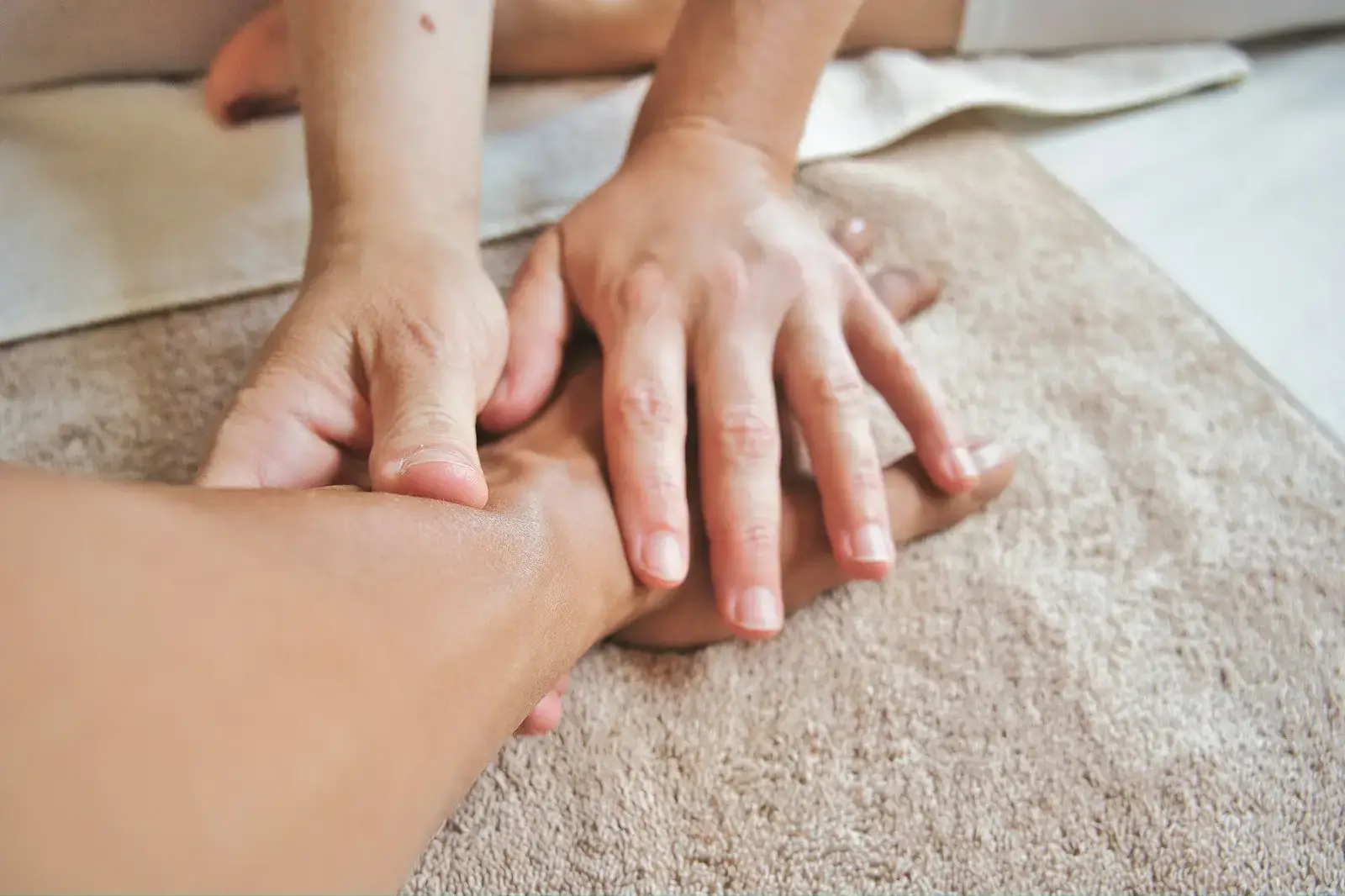
Various techniques are employed in the field of traditional acupuncture. This method involves inserting thin needles (always sterile needles) into specific points on the body, often called specific acupuncture points, located along pathways known as meridians. The goal is to balance the body’s energy flow (or flow of energy) and stimulate the body’s innate healing capabilities. Some practitioners may also incorporate tui na (Chinese medical massage) or Chinese Herbalist consultations. It’s important to differentiate traditional acupuncture from practices like dry needling, which, while using similar needles, has a different diagnostic and treatment framework, often focusing directly on muscle pain.
Consider some of the following specialties when choosing an acupuncturist:
Pain Management: Targets acute and chronic pain relief, including neck pain and issues related to Sports Medicine.
Fertility Treatments: Aids in enhancing reproductive health.
Stress Reduction: Focuses on promoting relaxation and mental well-being, contributing to better mental health. Stress relief is one of the most sought-after benefits of acupuncture.
Cosmetic Acupuncture or Facial Acupuncture: Utilizes techniques for facial rejuvenation.
Internal Medicine: Addressing conditions like irritable bowel syndrome or supporting the immune system.
Weight Loss: Assisting with metabolic balance and appetite regulation.
Understanding these nuances for the wide range of conditions acupuncture can address can guide your decision-making process. This ensures the approach aligns with your personal health goals.
Top Acupuncturists in NYC
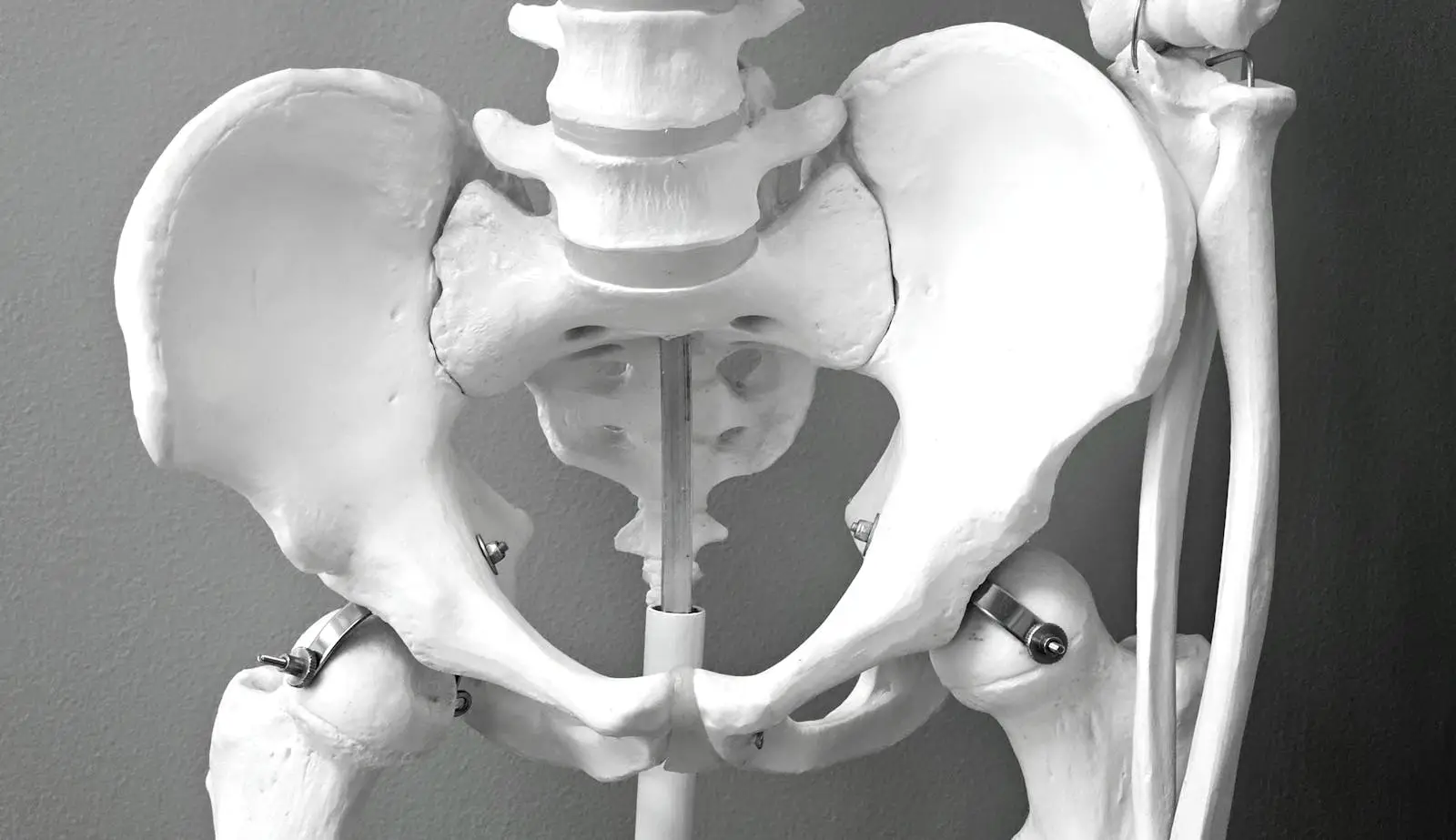
When searching for the best acupuncturists in New York City, and aiming for Best Acupuncture NYC, consider practitioners like Dr. Jordan Barber, an NCCAOM Diplomate with over 20 years of clinical experience. Dr. Barber is not only a seasoned practitioner but also an educator and academic, holding an advanced practice clinical doctorate (DAOM), the highest degree in the acupuncture profession. His extensive background ensures a deep understanding of both traditional and modern acupuncture techniques with a primary focus on the treatment of pain and pelvic floor dysfunction and is faculty a the Pacific College of Oriental Medicine (now Pacific College of Health and Science). You can read more about his qualifications on the about page of this website.
For those looking to find qualified practitioners, the NCCAOM offers a directory (nccaom.org/find-a-practitioner/) that can help you locate licensed acupuncturists in your area, whether you’re in NYC, Staten Island, nearby New Jersey, or even further in cities like Los Angeles or San Francisco.
What to Expect During Your First Visit
The first visit to an acupuncturist, or your first acupuncture session, often begins with a comprehensive consultation. This meeting allows the practitioner to understand your health concerns and medical history. Detailed intake forms are typically used to capture relevant information, especially important for your first time. The acupuncturist will discuss your symptoms and treatment goals. They may perform a physical examination, assessing pulse and tongue to determine metabolic or energy imbalances. This holistic assessment helps formulate a personalized treatment plan.
During your initial session, the acupuncturist will explain the needle placement process at specific acupuncture points. Expect a calming environment where you can relax and communicate any concerns. Transparency and trust establish a foundation for successful outcomes, helping you find relief.
Integrating Acupuncture with Other Treatments
Acupuncture is a versatile therapy that complements various medical treatment options, forming a key part of Integrative Medicine. Many seek acupuncture alongside conventional Western medicine healthcare to address complex health issues. This integrative approach can enhance treatment efficacy and wellness. Collaboration with other healthcare practitioners is common. Acupuncturists often work alongside a medical doctor, physical therapists, chiropractors, or even a massage therapist to deliver comprehensive care. This teamwork facilitates a robust health management strategy.
Patients frequently integrate acupuncture with other traditional Chinese medicine modalities. Combining techniques like Chinese herbal medicine or cupping can address broader wellness objectives. Thus, acupuncture serves as a cornerstone in a holistic health plan.
Holistic Approach and Personalized Care for Optimal Health
A holistic approach in acupuncture, often found within Alternative Medicine frameworks, involves treating the whole person, not just symptoms. This method promotes overall health and mental health. It considers physical, emotional, and spiritual health to help patients achieve optimal health. Personalized care means the treatment plan is tailored to individual needs. Acupuncturists assess lifestyle, diet, and health history. This ensures therapies effectively address each patient’s unique challenges.
Building rapport is crucial for personalized care. Effective communication and trust between practitioner and patient enhance treatment outcomes. Patients feel understood and supported throughout their health journey. The question “Can Acupuncture help with my condition?” often finds a positive answer when this personalized approach is taken.
Conclusion: Making an Informed Decision
Choosing the best acupuncturist in NYC involves careful research and consideration. Evaluating credentials, experience, and patient feedback can guide you to a suitable Board Certified Acupuncturist. This decision significantly impacts your health and well-being. Understanding different specializations and techniques helps in aligning with your specific needs. Each practitioner’s unique style and approach may resonate differently. Seek someone who integrates a holistic model that suits your lifestyle.
In New York City, a diverse selection of top-rated acupuncturists awaits. If you believe Dr. Jordan Barber’s expertise aligns with your needs, you are encouraged to book a consultation. Alternatively, for a broader search, reputable directories such as the NCCAOM practitioner finder or the Acupuncture Society of New York (ASNY) practitioner finder can be valuable resources. Ultimately, balance these insights with personal comfort and trust. Your chosen acupuncturist should embody professional expertise and provide a comforting environment, allowing you to fully experience the benefits of acupuncture and embark on a path to improved overall health.
When men hear the term “pelvic floor,” the common reaction is often one of dismissal—a belief that it is a topic relevant only to women, particularly concerning pregnancy and childbirth.…
Knee pain can be a significant obstacle, limiting your mobility and enjoyment of daily life, especially in a vibrant city like New York. Whether it’s a sharp pain from an…
When you’re dealing with persistent muscle pain, tightness, or stubborn knots, finding the right treatment is key to relief. Two popular and effective options are dry needling and massage therapy.…
118 W. 72nd, Rear Lobby, Upper West Side, NY 10023 Evidence-based acupuncture and dry needling on the Upper West Side, NYC. From chronic pain, headaches, and pelvic floor dysfunction, Dr. Jordan Barber integrates the highest level of training with compassionate care to help you thrive. Disclaimer: This site does not provide medical advice. Always consult a qualified healthcare professional before making changes to your health. Read our full disclaimer
Quick Links
Got Questions?
Limited spots available each week book now to reserve yours